A Mechanic Dropped an 8-Pound Socket Down a Missile Silo—And Nearly Caused America’s Chernobyl
•March 9, 2026
0
Why It Matters
The near‑catastrophic explosion demonstrated how a simple maintenance error could trigger a nuclear‑scale disaster, highlighting the urgent need for rigorous safety protocols and modernization of legacy missile systems.
Key Takeaways
- •9‑lb socket punctured Titan‑II missile hull.
- •Hydrazine leak ignited, blowing out silo doors.
- •Explosion scattered nine‑megaton warhead, found nearby.
- •One death; survivors faced lasting health issues.
- •Highlights danger of aging nuclear missile stockpiles.
Pulse Analysis
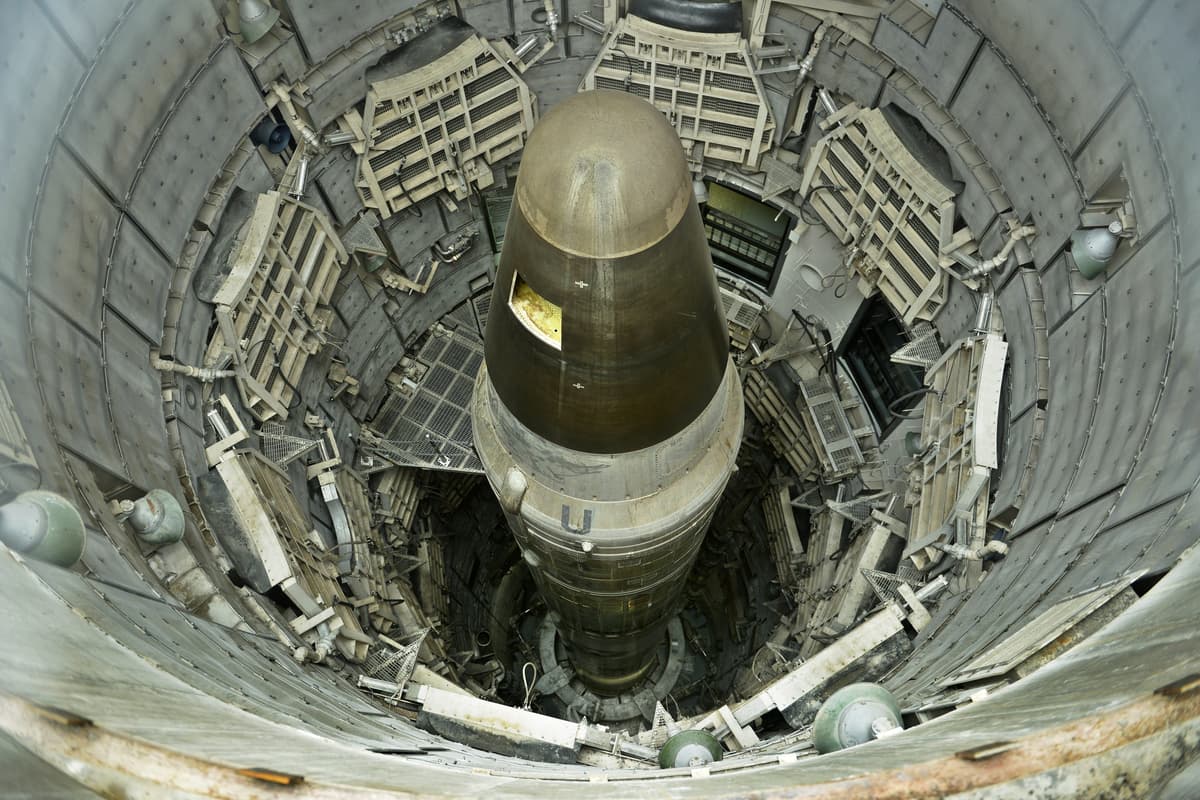
The Titan‑II missile program emerged in the early 1960s as the United States’ response to Soviet advances in long‑range rocketry. Unlike its cryogenic predecessors, the Titan‑II used hypergolic propellants—hydrazine and nitrogen tetroxide—that ignite on contact, allowing the missile to launch within minutes of a command. Designed for both intercontinental ballistic missions and NASA’s Gemini program, the 54‑missile fleet was buried in hardened silos across Arizona, Kansas and Arkansas, standing ready to strike targets up to 8,000 miles away.
On the night of September 18‑19, 1980, routine maintenance at the Damascus complex went tragically wrong when a mechanic dropped a nine‑pound socket down the 66‑foot missile shaft. The socket struck the missile’s thin hull, creating a breach that let volatile fuel vapor fill the silo. When a crew attempted to vent the leak, a spark ignited the vapor, producing a massive explosion that ripped the blast doors from their hinges and hurled the warhead into a nearby ditch. While the nuclear core remained intact, the blast killed one airman and left several others with long‑term respiratory and thyroid ailments, prompting a media frenzy and a covert federal response.
The Damascus incident remains a cautionary tale for today’s defense planners. It underscores the inherent risks of maintaining aging, liquid‑fuel ICBM silos that were never designed for modern safety standards. As the Doomsday Clock ticks closer to midnight, policymakers cite the event when arguing for accelerated decommissioning of legacy systems and for tighter command‑and‑control safeguards. The episode also fuels broader debates about nuclear security, emphasizing that even a single dropped tool can bring a nation to the brink of a nuclear catastrophe if robust oversight is lacking.
A Mechanic Dropped an 8-Pound Socket Down a Missile Silo—and Nearly Caused America’s Chernobyl
0
Comments
Want to join the conversation?
Loading comments...