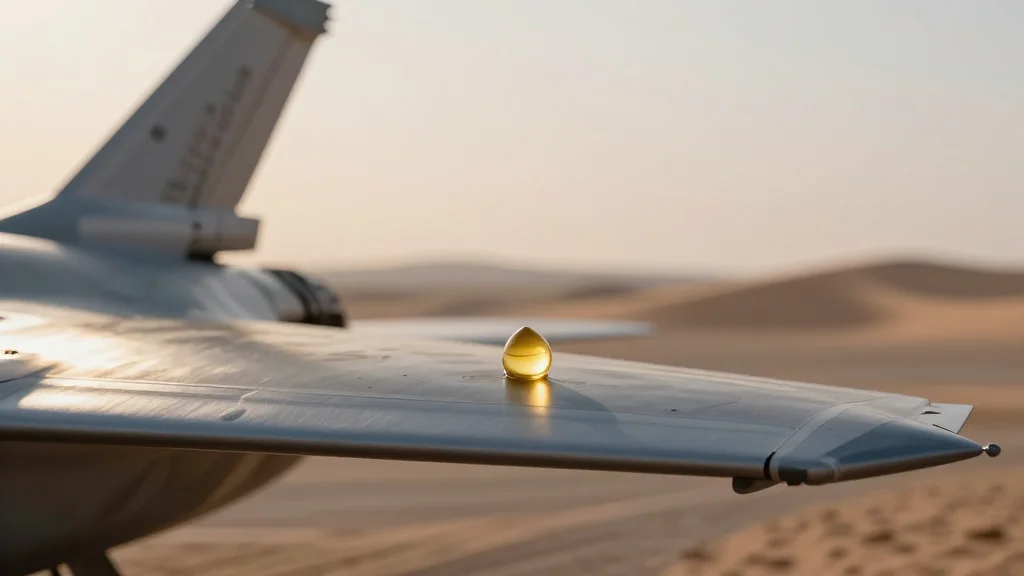
A New Defence Champion Is Rising From the Gulf
Why It Matters
The surge reshapes global defence supply chains and gives Gulf states greater strategic autonomy, while creating new opportunities for Western manufacturers.
Key Takeaways
- •Gulf petro‑states account for roughly 20% of worldwide arms imports
- •Saudi Arabia and UAE lead regional defence spending growth in 2026
- •Domestic defence projects aim to reduce reliance on Western suppliers
- •New contracts include fighter jets, frigates, and missile systems
- •Spending surge driven by regional tensions and economic diversification
Pulse Analysis
The Gulf region’s defence budgets have exploded in recent years, buoyed by oil revenues that still flow despite a global shift toward renewable energy. In 2026, the combined procurement programmes of Saudi Arabia, the United Arab Emirates, Qatar and Kuwait represent about one‑fifth of all arms imports worldwide. This purchasing power fuels a market that ranges from high‑performance fighter aircraft to sophisticated naval frigates, positioning the Gulf as a pivotal customer for legacy Western manufacturers and emerging Asian suppliers alike.
Beyond buying foreign hardware, Gulf states are investing heavily in indigenous defence capabilities. The United Arab Emirates, for example, has launched a multi‑billion‑dollar initiative to develop its own aerospace and shipbuilding sectors, while Saudi Arabia’s Vision 2030 plan earmarks billions for domestic R&D and production lines. These efforts aim to create a self‑sufficient defence ecosystem, reduce exposure to export controls, and generate high‑skill jobs. The rise of local firms such as Emirates Defence Industries and Saudi Arabian Military Industries signals a strategic pivot from pure importation to a hybrid model of co‑development and technology transfer.
The implications for the global defence industry are profound. Western firms, traditionally dominant suppliers, now face a dual challenge: compete on price and performance while partnering with Gulf partners on joint‑venture projects. This dynamic could accelerate technology diffusion, reshape pricing structures, and alter the geopolitical balance of power in a volatile region. As regional tensions persist and diversification agendas deepen, the Gulf’s ascent as a defence champion is likely to drive sustained demand, spur innovation, and reshape supply‑chain relationships for years to come.
A new defence champion is rising from the Gulf
Comments
Want to join the conversation?
Loading comments...