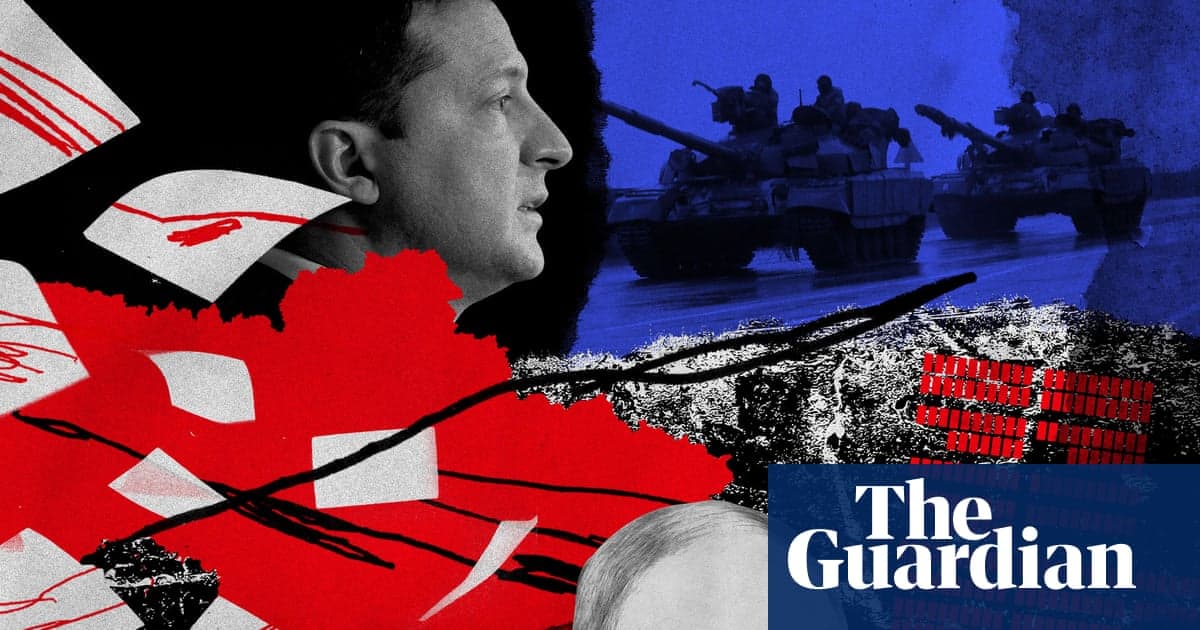
A War Foretold: How the CIA and MI6 Got Hold of Putin’s Ukraine Plans and Why Nobody Believed Them
•February 20, 2026
0
Why It Matters
The failure to act on credible intelligence allowed Russia to achieve strategic surprise, reshaping European security dynamics and underscoring the need for better intelligence trust and coordination.
Key Takeaways
- •CIA and MI6 accurately predicted full‑scale invasion
- •European services doubted intel due to Iraq precedent
- •Ukraine dismissed warnings, delaying critical defense preparations
- •Analysts misread outcome, expecting rapid Russian victory
- •Lesson: dismissing improbable scenarios risks strategic surprise
Pulse Analysis
The 2022 Russian invasion of Ukraine exposed a paradox in modern intelligence: while the United States and its Five Eyes partner, the United Kingdom, assembled a clear picture of Putin’s war blueprint, key European allies and Kyiv remained skeptical. Satellite feeds showed massive troop concentrations, and intercepted Russian communications hinted at a multi‑directional assault, yet memories of the 2003 Iraq intelligence failure created a psychological barrier. This collective doubt delayed the sharing of actionable warnings, illustrating how past missteps can cloud present assessments and impede timely policy responses.
Beyond the initial warning, the episode reveals structural challenges in trans‑atlantic intelligence cooperation. The CIA’s "tiger team" and MI6’s assessments were precise, but the dissemination process was hampered by concerns over protecting sources and methods, leading to heavily redacted briefings that were difficult for European decision‑makers to digest. Moreover, divergent threat perceptions—Washington’s focus on regime change versus Europe’s expectation of a limited border skirmish—created friction that slowed unified preparation. The result was a fragmented response, with some NATO capitals evacuating staff while others pursued diplomatic overtures that proved ineffective.
For policymakers, the lesson is clear: intelligence must be evaluated on its own merits, not filtered through historical bias. Robust mechanisms for cross‑alliance validation, coupled with transparent risk communication, can mitigate the tendency to dismiss "unlikely" scenarios. As geopolitical volatility rises, ensuring that credible warnings translate into concrete defensive measures will be essential to prevent future strategic surprises and to maintain the credibility of the intelligence community across the Atlantic.
A war foretold: how the CIA and MI6 got hold of Putin’s Ukraine plans and why nobody believed them
0
Comments
Want to join the conversation?
Loading comments...