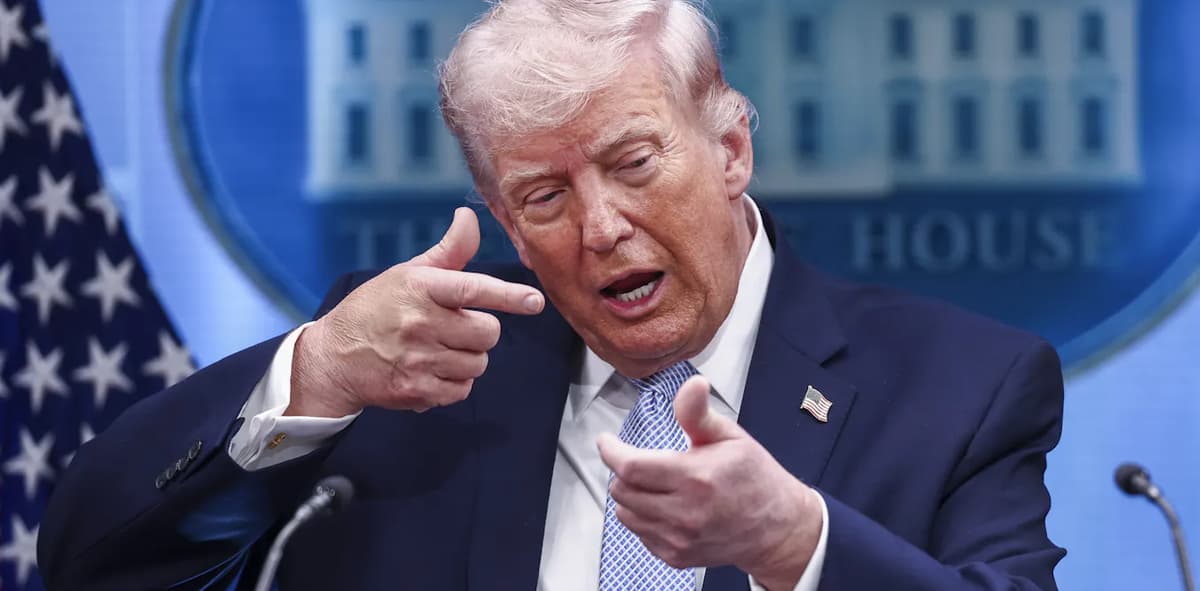
‘A Whole Civilisation Will Die Tonight’: Trump’s Genocide Threat Against Iran Was Another New Low for America
Why It Matters
The threat raises the specter of war crimes and undermines U.S. credibility, potentially weakening its diplomatic influence worldwide.
Key Takeaways
- •Trump said a whole Iranian civilisation will die tonight
- •Statement spurred a two‑week US‑Israel ceasefire with Iran
- •Threat could breach the UN Genocide Convention and war‑crime rules
- •Congress never approved the war, raising constitutional separation‑of‑powers issues
- •Rhetoric damages US soft power, risking long‑term diplomatic isolation
Pulse Analysis
Trump’s declaration that "a whole civilisation will die tonight" marks an unprecedented escalation in presidential rhetoric. By invoking the annihilation of an entire nation, the former commander‑in‑chief crossed a line historically reserved for ancient war‑chants, echoing Cato’s call to destroy Carthage. The timing—just days into a high‑intensity US‑Israel campaign against Iranian targets—amplified the statement’s shock value, prompting immediate diplomatic pressure that resulted in a two‑week cease‑fire. This episode underscores how incendiary language can swiftly translate into real‑world diplomatic concessions, even when the speaker holds no formal wartime authority.
Beyond the political fallout, the threat raises serious legal questions. International law, specifically Article II of the 1948 Genocide Convention, criminalizes acts intended to destroy a national, ethnic, racial, or religious group, and U.S. statutes treat such intent as a war crime. Moreover, the Constitution vests the power to declare war exclusively in Congress, a prerogative that has not been exercised for the current Iran conflict. Legal scholars argue that any operational order derived from Trump’s rhetoric could expose senior officials to prosecution for violating both domestic and treaty obligations, highlighting a stark gap between presidential rhetoric and constitutional checks.
The longer‑term implications revolve around America’s soft power. Historically, U.S. influence has rested on a blend of cultural appeal, democratic ideals, and predictable rule‑of‑law conduct. Threatening genocide erodes that moral authority, feeding narratives used by adversaries to delegitimize U.S. policies worldwide. While mechanisms such as the 25th Amendment or impeachment exist, partisan dynamics make their deployment unlikely, leaving the reputational damage largely unchecked. As global audiences reassess U.S. leadership, the episode serves as a cautionary tale: rhetoric that undermines legal norms can have lasting diplomatic costs, reshaping how America is perceived on the world stage.
‘A whole civilisation will die tonight’: Trump’s genocide threat against Iran was another new low for America
Comments
Want to join the conversation?
Loading comments...