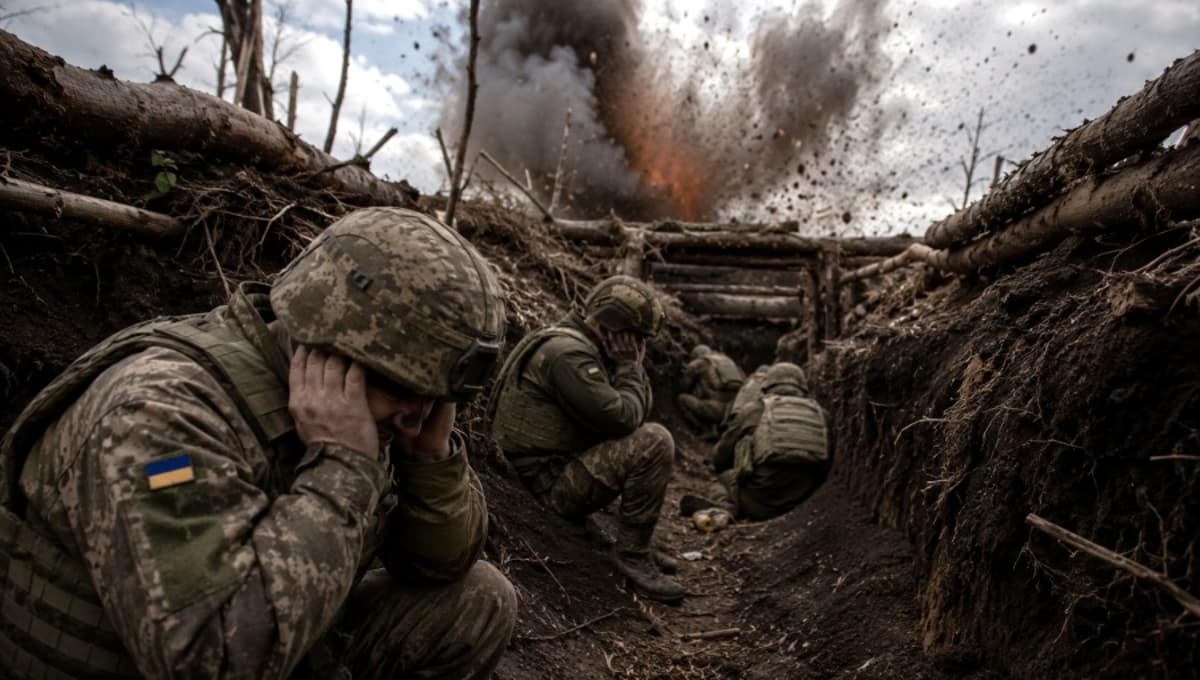
A World More Afraid: Wars Fuelling Rising Fears of Foreign Attacks
Why It Matters
The findings signal a growing disconnect between public appetite for security spending and the willingness to personally engage in conflict, challenging policymakers in democratic states as they balance fiscal pressures with strategic imperatives.
Key Takeaways
- •Fear of attack spikes in US, Russia, Lebanon, Iraq, Kazakhstan.
- •Global willingness to fight drops 8 points to 45% in 2026.
- •Support for higher defence spending strongest in Ukraine, Sweden, South Korea.
- •Alliances remain top defence priority in 77 countries, down from 83.
- •Public sympathy favors Iran over US in 41 vs 28 countries.
Pulse Analysis
The latest Democracy Perception Index arrives at a moment when geopolitical flashpoints—from the Ukraine war to the Iran‑Israel clash—are reshaping public sentiment worldwide. By surveying nearly 100,000 citizens across almost a hundred countries, the study captures a surge in perceived threat, especially in nations directly bordering conflict zones. The United States, traditionally insulated from direct attacks, now records its fastest year‑on‑year increase in fear, reflecting heightened awareness of Iranian retaliatory strikes and broader regional instability.
At the same time, the survey uncovers a nuanced split in defence attitudes. While citizens in Ukraine, Sweden and South Korea overwhelmingly back higher military budgets, many European democracies remain skeptical, with southern states and France opposing additional spending. Preference for bolstering alliances—whether NATO, the EU or regional security pacts—still dominates, but its appeal has slipped from 83 to 77 countries, suggesting fatigue with collective defence promises amid economic strain. This divergence forces governments to reconcile public demand for security guarantees with fiscal realities and the political cost of raising taxes or cutting services.
Perhaps the most striking trend is the erosion of personal willingness to fight. The global share willing to take up arms fell eight points in one year, with Europe’s 18‑55‑year‑old cohort dropping to just 37%. Democracies now show lower mobilisation potential than authoritarian regimes, raising strategic questions about the credibility of conscription‑based defence models. Policymakers must therefore consider alternative force structures, such as professional volunteer armies and increased reliance on technology, to maintain deterrence while respecting a populace that increasingly prefers diplomacy over battlefield sacrifice.
A world more afraid: Wars fuelling rising fears of foreign attacks
Comments
Want to join the conversation?
Loading comments...