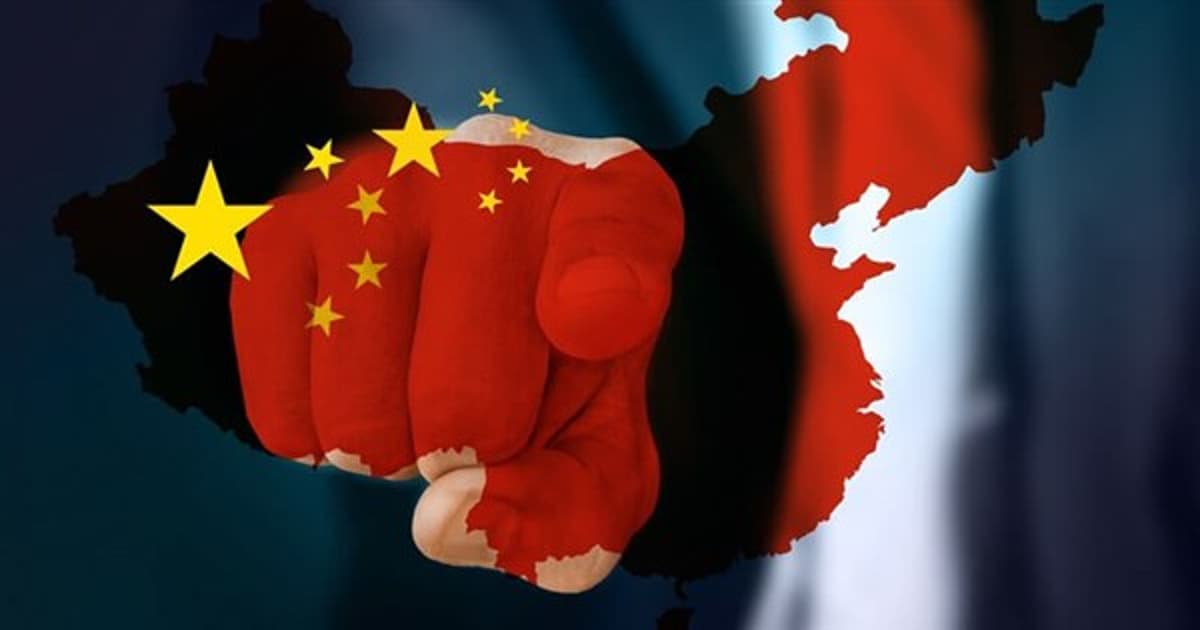
Active, Former Military Officers Indicted for Leaking Intelligence to China
Why It Matters
The indictment underscores Taiwan's vulnerability to Chinese espionage and sets a legal precedent by involving citizen judges in a national‑security trial, signaling tougher enforcement of intelligence‑leak safeguards.
Key Takeaways
- •Nine Taiwanese officers indicted for spying for China
- •Case marks Taiwan's first citizen‑judge national security trial
- •Bribes of NT$3,000 (~US$95) paid monthly to facilitate leaks
- •Officers provided videos, photos of bases and classified documents
- •Prosecutors will pursue maximum penalties under multiple security laws
Pulse Analysis
Chinese intelligence operations have increasingly leveraged social‑media platforms to recruit insiders, and Taiwan’s latest espionage case illustrates how low‑level financial incentives can unlock high‑value secrets. The alleged accomplice, identified only as Chen, was lured with a paid vacation and a modest monthly stipend, yet that bait proved sufficient to coax officers across the Army, Navy, Air Force and Coast Guard into handing over base‑level video and document evidence. Such tactics reflect a broader pattern of Beijing’s covert influence campaigns, which blend personal greed with ideological persuasion to erode Taiwan’s defensive posture.
The legal proceedings are noteworthy for introducing citizen judges into a national‑security trial, a first under Taiwan’s Citizen Judges Act. By expanding the jury pool beyond professional magistrates, the government aims to enhance transparency and public confidence in handling espionage cases. The defendants face charges under four statutes, including the National Security Act and the Anti‑Corruption Act, indicating a coordinated prosecutorial strategy that targets both the breach of classified information and the financial crimes that facilitated it. This multifaceted approach could set a precedent for harsher sentencing and more rigorous internal audits within the armed forces.
Regionally, the case heightens concerns about the island’s resilience amid escalating cross‑strait tensions. For U.S. partners and multinational firms operating in Taiwan, the indictment signals a heightened risk environment that may prompt increased investment in counter‑intelligence measures and compliance programs. It also reinforces the strategic imperative for Taiwan to modernize its security protocols, integrate advanced cyber‑defense tools, and cultivate a culture of vigilance among military personnel. As espionage threats evolve, robust legal deterrents and proactive safeguards will be essential to protect Taiwan’s sovereignty and its role in the global supply chain.
Active, former military officers indicted for leaking intelligence to China
Comments
Want to join the conversation?
Loading comments...