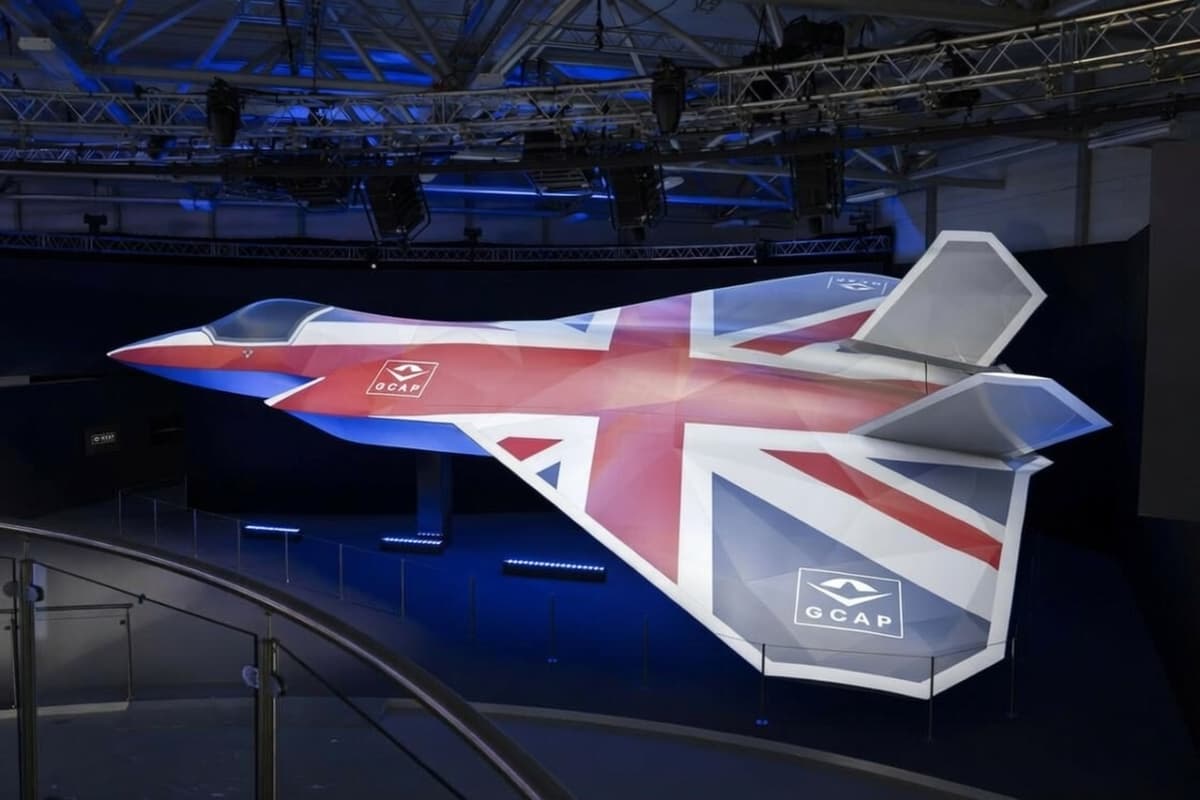
After FCAS Collapse, GCAP Fighter Program in Jeopardy as UK Defence Secretary Resigns in Funding Row
Companies Mentioned

Why It Matters
The resignation threatens the funding certainty needed for GCAP, jeopardising a critical NATO‑aligned sixth‑generation fighter and undermining UK credibility with Japan and Italy.
Key Takeaways
- •Healey resigns citing insufficient funding for Defence Investment Plan.
- •DIP delay threatens £686 million (≈$870 million) GCAP bridge contract deadline.
- •GCAP cost estimated £12‑15 bn (≈$15‑19 bn) faces possible cuts.
- •Italy pledged €8.8 bn (≈$9.7 bn); UK hesitation risks partnership trust.
- •Capability gap of £28 bn (≈$35.6 bn) intensifies pressure on sixth‑gen fighter.
Pulse Analysis
John Healey’s resignation highlights a growing fiscal tension within the new Labour government. While the party has promised to lift defence spending to 2.5% of GDP next year and 3% in the following parliament, the delayed Defence Investment Plan leaves the UK without a clear budget line for its most ambitious aerospace project. The DIP’s postponement not only stalls the £686 million (≈$870 million) bridge contract that keeps GCAP design work alive, but also signals broader uncertainty about how the promised spending boost will be allocated across legacy platforms and emerging technologies.
The GCAP programme, a joint effort by the UK, Japan and Italy to field a sixth‑generation fighter by 2035, now faces a critical funding cliff. With the bridge contract set to expire at the end of June, partners risk losing momentum, forcing BAE Systems, Leonardo and Japanese firms to reassign engineers and potentially restart work later at higher cost. Italy’s €8.8 bn (≈$9.7 bn) commitment underscores the multinational stakes, while Japan’s strategic need to counter China’s growing air power adds geopolitical urgency. Any further delay could widen the £28 bn (≈$35.6 bn) capability gap identified by UK defence analysts, prompting calls for cuts or a re‑scoping of the programme.
The collapse of the Franco‑German Future Combat Air System (FCAS) has already reshaped Europe’s sixth‑generation fighter market, positioning GCAP as the continent’s primary alternative. However, the UK’s funding indecision threatens to erode partner confidence and may open the door for other nations—such as Poland or Canada—to seek entry, complicating governance and cost‑sharing arrangements. If the new Defence Secretary cannot secure a firm DIP commitment, GCAP could become a cautionary tale of multinational defence collaboration faltering under domestic budget pressures, with ripple effects for NATO’s broader air‑dominance strategy.
After FCAS Collapse, GCAP Fighter Program in Jeopardy as UK Defence Secretary Resigns in Funding Row
Comments
Want to join the conversation?
Loading comments...