AI-Enhanced High-Energy Density Drone Batteries for UAVs & Unmanned Systems
Why It Matters
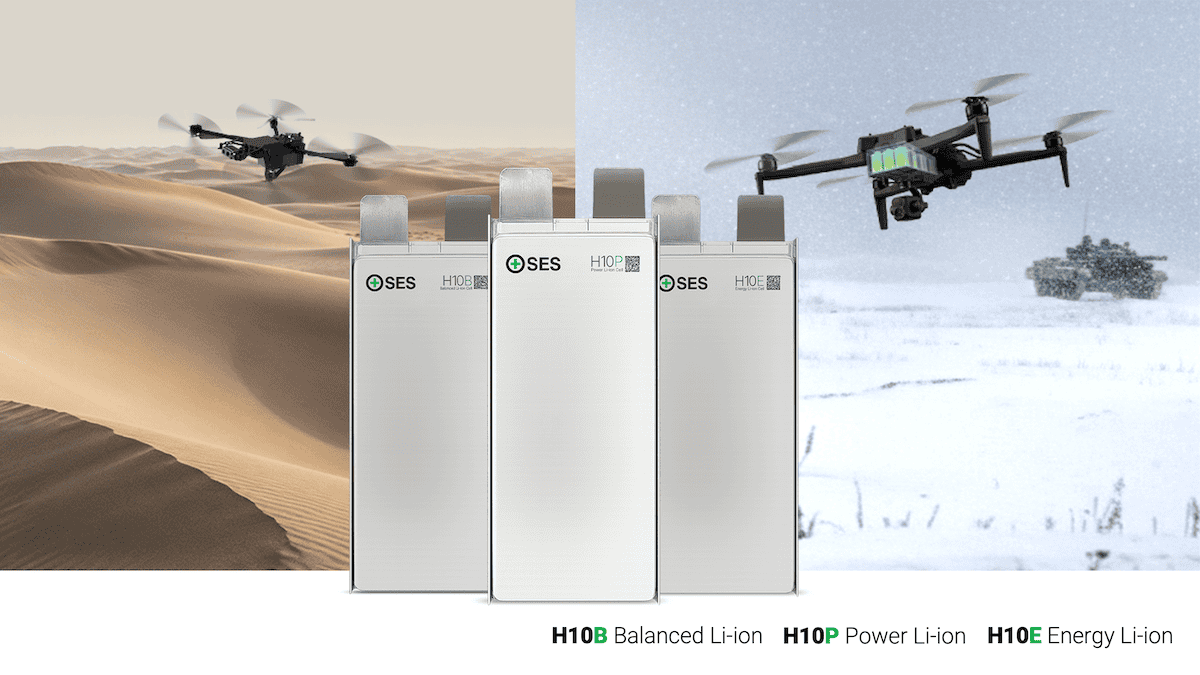
The new batteries promise longer flight times and greater reliability for critical drone applications, giving operators a strategic edge in ISR, logistics and emergency response. Their secure, compliant supply chain also mitigates geopolitical risk for defense customers.
Key Takeaways
- •SES AI offers 396 Wh/kg energy density in H10E battery
- •Dual production sites in South Korea and USA ensure NDAA‑compliant supply
- •AI‑driven Molecular Universe accelerates new electrolyte chemistry discovery
- •Batteries meet UN 38.3 certification for safety and scalability
- •High‑energy cells extend UAV flight time for ISR and emergency missions
Pulse Analysis
The rapid growth of commercial and defense drones has intensified demand for batteries that combine high energy density with robust safety standards. Traditional lithium‑ion cells often trade off power for weight, limiting mission endurance and payload capacity. By embedding artificial intelligence into the chemistry design process, developers can explore thousands of material permutations in silico, dramatically shortening development cycles and uncovering novel electrolyte formulations that perform in extreme heat or cold. This AI‑driven approach addresses a core bottleneck in the UAV supply chain: the need for lighter, longer‑lasting power sources without compromising reliability.
SES AI’s portfolio directly tackles these challenges. The H10E model achieves a remarkable 396 Wh/kg, surpassing most industry benchmarks and enabling extended mapping or surveillance sorties. Its counterpart, the H10P, delivers higher discharge rates for rapid‑response tasks, while the H10B provides a versatile middle ground for mixed‑mission fleets. Production at facilities in South Korea and the United States adheres to NDAA requirements, offering defense customers a trusted, geopolitically secure source. The company’s Molecular Universe platform, powered by machine‑learning algorithms, continuously refines electrolyte mixes, yielding batteries that remain stable across temperature extremes and meet UN 38.3 safety certification.
The broader implications for the unmanned systems market are significant. Operators can now plan longer missions with fewer battery swaps, reducing downtime and operational costs. Defense agencies benefit from a resilient supply chain that sidesteps single‑source vulnerabilities, while commercial users gain access to higher‑performance power for delivery drones and aerial data collection. As AI‑assisted battery innovation accelerates, competitors will likely race to match SES AI’s energy metrics, spurring a new wave of high‑density, mission‑ready power solutions that could redefine the capabilities of next‑generation UAVs.
AI-Enhanced High-Energy Density Drone Batteries for UAVs & Unmanned Systems
Comments
Want to join the conversation?
Loading comments...