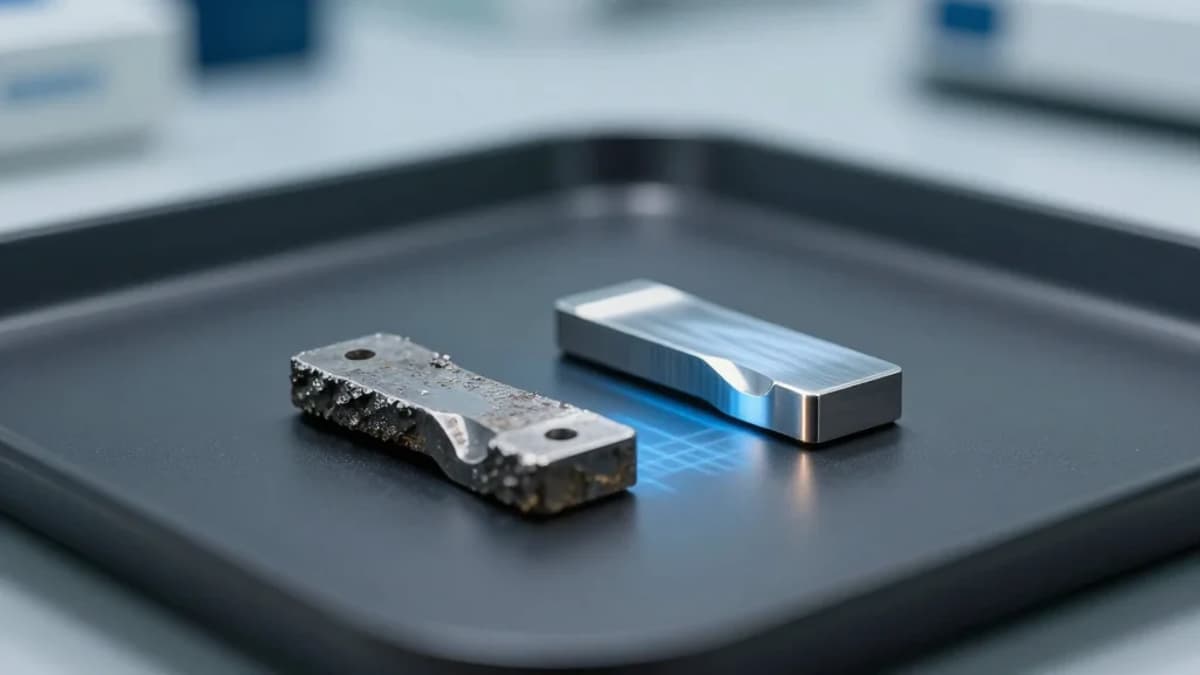
AI to Develop Metals with Enhanced Durability for Naval Vessels
•March 3, 2026
0
Why It Matters
Corrosion‑resistant alloys can dramatically reduce naval maintenance expenses and keep fleets mission‑ready, aligning with defence priorities for digital transformation and cost efficiency.
Key Takeaways
- •AI accelerates alloy design for naval corrosion resistance
- •£42.5M funding supports multi‑institution materials partnership
- •New alloys aim to cut ship maintenance costs
- •International allies showing interest in collaborative development
- •Industry engagement ensures rapid adoption of new metals
Pulse Analysis
Naval vessels operate under relentless exposure to saltwater, temperature swings, and high‑energy currents, which accelerate metal degradation and drive costly repairs. Traditional alloy development relies on trial‑and‑error cycles that can span years, but AI and machine learning now enable researchers to simulate thousands of compositions in silico, identifying promising candidates that combine strength with superior corrosion resistance. This data‑driven approach shortens the discovery timeline, allowing engineers to focus on testing a narrowed set of high‑potential alloys.
The £42.5 million Defence Materials Centre of Excellence (DMEx) consortium brings together Dstl, Swansea University, the University of Manchester, the Henry Royce Institute and a network of industry partners. By pooling expertise in materials science, computational modelling and naval engineering, the collaboration accelerates the transition from laboratory prototypes to ship‑ready components. Early results suggest that the AI‑guided alloys could extend service intervals by up to 30 percent, translating into significant savings on dry‑dock time and replacement parts while enhancing overall vessel reliability.
Strategically, the initiative supports the UK’s Strategic Defence Review, which emphasizes digital innovation to sustain military advantage. Interest from allied navies signals potential for joint standards and shared supply chains, amplifying the economic impact beyond domestic shipyards. Ongoing industry engagement ensures that manufacturing processes can be adapted quickly, positioning the new alloys for rapid deployment across existing and future classes of warships. As the technology matures, it may also influence commercial maritime sectors seeking similar durability gains.
AI to develop metals with enhanced durability for naval vessels
0
Comments
Want to join the conversation?
Loading comments...