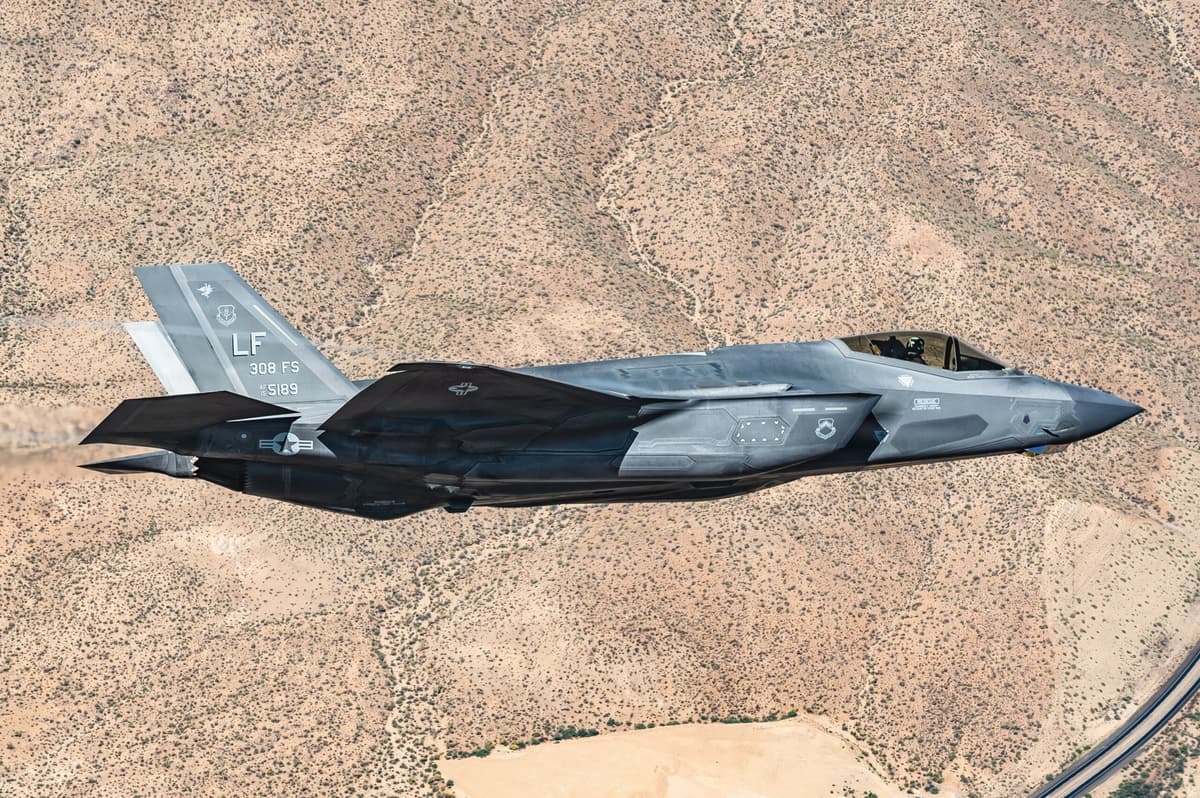
Air Combat Command to Take Over Fighter and Drone Pilot Training
Why It Matters
By pairing ACC’s frontline experience with AETC’s basic instruction, the Air Force shortens the time to combat readiness and enhances joint force capabilities, a critical edge as strategic environments grow more dynamic.
Key Takeaways
- •ACC assumes control of F‑35, F‑16, MQ‑9 training units
- •AETC refocuses on foundational pilot and maintenance skills
- •Students gain operational tactics exposure earlier in their careers
- •Allied pilots retain curriculum continuity under ACC oversight
Pulse Analysis
The Air Force’s decision to move fighter and drone training under Air Combat Command reflects a broader shift toward operationally‑driven education. ACC’s combat‑focused culture brings real‑world tactics into the classroom, allowing trainees to experience the tempo and decision‑making of high‑end conflict far earlier than under the traditional AETC model. This structural change does not relocate personnel but redefines command relationships, ensuring that the expertise of frontline units directly informs curriculum development.
Accelerating readiness is the centerpiece of the reform. By integrating advanced tactics into the formal training units (FTUs) for the F‑35, F‑16 and MQ‑9, the pipeline can produce combat‑credible aircrews faster, reducing gaps between basic flight training and operational deployment. The move also benefits international partners, as foreign pilots in the F‑35 Lighting II and F‑16 programs will receive the same advanced instruction without disruption, strengthening coalition interoperability and collective defense.
Long‑term, the reassignment positions the Air Force to better meet the demands of modern warfare, where rapid technological evolution and contested airspaces require agile, battle‑ready forces. Aligning training with the command that executes missions creates a feedback loop that can quickly adapt tactics, techniques, and procedures to emerging threats. While the transition is largely administrative, its success will hinge on seamless coordination between ACC and AETC to preserve the quality of foundational training while delivering cutting‑edge combat skills.
Air Combat Command to Take Over Fighter and Drone Pilot Training
Comments
Want to join the conversation?
Loading comments...