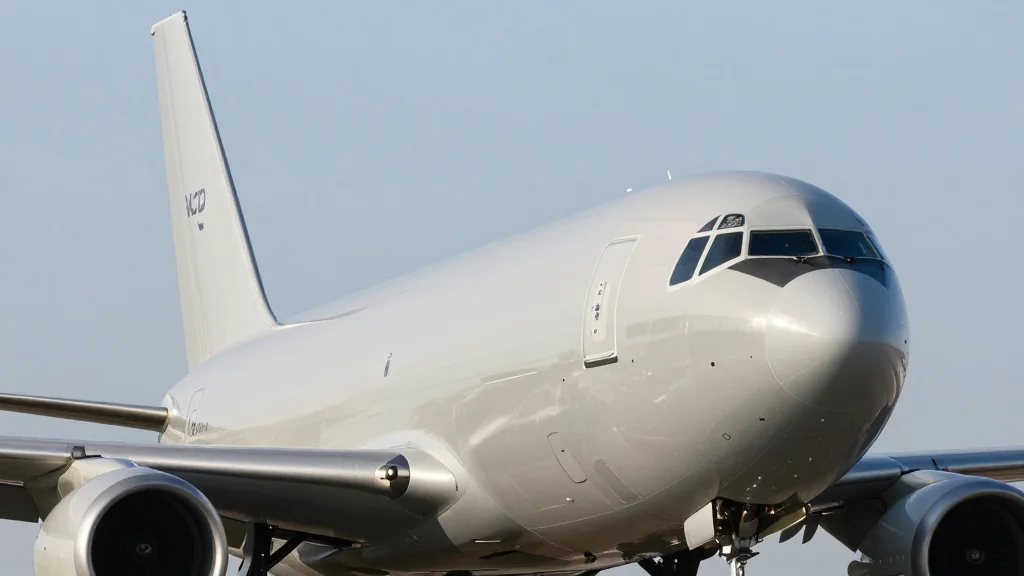
Air Force, Boeing Accelerate KC-46 Upgrades to Target Readiness
Companies Mentioned
Why It Matters
Enhanced KC‑46 availability strengthens aerial refueling capacity, directly supporting combat‑air operations and reducing downtime costs for the Air Force.
Key Takeaways
- •Early‑built KC‑46s repurposed for immediate missions
- •Remote Vision System 2.0 retrofit schedule accelerated
- •Performance‑based logistics targeting systemic readiness gaps
- •Edwards AFB test forces coordinate upgrades across multiple fleets
- •Faster upgrades aim to meet warfighter refueling demand
Pulse Analysis
The KC‑46 Pegasus program has struggled with software glitches, engine reliability issues, and delayed delivery of critical components since its inception. These challenges have constrained the Air Force’s ability to project power globally, as the tanker fleet is a linchpin for long‑range strike and air‑dominance missions. By revisiting early‑production aircraft and assigning them to operational units, the service can immediately augment its refueling capability while newer airframes undergo upgrades.
Central to the acceleration plan is the Remote Vision System 2.0, a next‑generation camera and sensor suite that replaces the original cockpit displays used for boom and drogue operations. The retrofit schedule, previously slated for a multi‑year rollout, is now being compressed to deliver functional upgrades within months rather than years. Simultaneously, a performance‑based logistics (PBL) framework ties contractor support to measurable readiness outcomes, incentivizing faster fault resolution and parts availability. The Combined Test Forces at Edwards AFB are leveraging cross‑platform data—capturing refueling metrics from F‑22, F‑16, and KC‑46 sorties—to validate improvements in real time.
For the broader defense enterprise, the expedited KC‑46 upgrades signal a shift toward more agile acquisition and sustainment models. Faster fielding reduces the operational gap between legacy tankers and the next generation, preserving the United States’ strategic airlift advantage. Moreover, the collaborative testing environment fosters innovation that can be replicated across other platforms, potentially lowering lifecycle costs and enhancing overall force readiness. As the Air Force moves toward a more resilient tanker fleet, it positions itself to meet the increasing tempo of global operations without compromising mission effectiveness.
Air Force, Boeing accelerate KC-46 upgrades to target readiness
Comments
Want to join the conversation?
Loading comments...