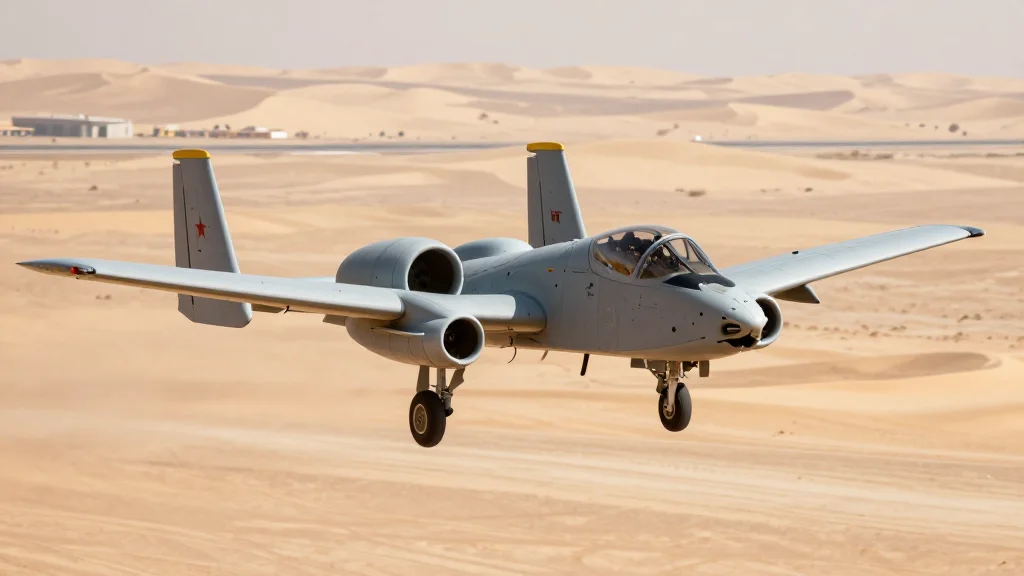
Air Force Extends A‑10 Warthog Service Life to 2030, Shifting Tucson Base Outlook

Why It Matters
Keeping the A‑10 in service through 2030 preserves a proven close‑air‑support capability at a time when the U.S. faces renewed low‑intensity conflicts in the Middle East. The decision also cushions the Air Force’s budget by deferring costly acquisition programs, but it may delay the fielding of newer, more versatile platforms. For the Tucson economy, the extension adds uncertainty to a major employment driver, prompting local officials to reconsider diversification strategies. Strategically, the move signals that the Pentagon values the Warthog’s unique survivability and firepower for niche missions, even as it invests in next‑generation technologies. The balance between legacy aircraft and emerging systems will shape force readiness and procurement priorities for the next decade.
Key Takeaways
- •Air Force extends A‑10 service life to at least 2030, reversing FY2027 retirement plan
- •Only three squadrons nationwide retain A‑10 capability
- •Davis‑Monthan Air Force Base supports 46,000 jobs and $2.6 billion annually in southern Arizona
- •New missions tied to Iran conflict drive the extension
- •Extension delays procurement of next‑gen close‑air‑support platforms
Pulse Analysis
The A‑10’s extension reflects a pragmatic stopgap rather than a long‑term commitment to legacy hardware. Historically, the Warthog has survived multiple attempts at retirement because of its unmatched durability and low‑speed precision strike capability. By keeping the fleet alive until 2030, the Air Force buys time to mature unmanned combat air vehicle (UCAV) concepts that promise similar loiter and survivability traits without the logistical burden of aging airframes.
From a budgeting perspective, the decision postpones the inevitable sunk‑costs associated with de‑commissioning the fleet—spares, tooling, and personnel retraining—while also deferring the allocation of funds for a replacement platform. This could free up short‑term resources for the Air Force’s ongoing modernization initiatives, such as the F‑15EX and the B‑21 bomber, but it also risks creating a capability gap if the A‑10’s airframe fatigue reaches a point where further extensions become unsafe.
For the defense industrial base, the extension sustains demand for A‑10 sustainment contracts, benefitting firms that specialize in legacy aircraft refurbishment. However, it may also slow the market for emerging close‑air‑support solutions, potentially delaying innovation cycles. The tension between maintaining a proven platform and accelerating next‑generation development will likely shape congressional appropriations and defense‑industry investment strategies over the next five years.
Air Force Extends A‑10 Warthog Service Life to 2030, Shifting Tucson Base Outlook
Comments
Want to join the conversation?
Loading comments...