Air Force Leaders Discuss Priorities for the Air Force’s Future Force Design
•February 26, 2026
0
Why It Matters
The redesign determines how the Air Force will maintain air superiority against near‑peer threats while preserving readiness, directly shaping national security and defense‑industry investment.
Key Takeaways
- •Future Force Design shifts focus from platform count to lethality
- •Acquisition reforms link requirements to war‑winning concepts, speeding delivery
- •Multi‑domain connectivity and spectrum dominance are core to new force
- •AI‑driven WarMatrix wargames evaluate emerging platforms across kill chain
- •Balancing readiness and modernization remains essential for aging, small force
Pulse Analysis
The United States Air Force is confronting a rapidly evolving threat landscape that stretches from regional proxies to near‑peer competitors such as China. To stay ahead, the service has launched the Future Force Design, a strategic framework that prioritizes lethality, survivability and persistent connectivity over traditional platform counts. By treating the force as an interoperable network rather than a collection of isolated aircraft, the Air Force aims to create a multi‑domain capability that can deter aggression and win contested battles across air, space and the electromagnetic spectrum.
Central to the redesign is a overhaul of acquisition and requirements processes. Deputy Chief of Staff Thomas Lawhead emphasized that every investment must be anchored to a validated war‑winning concept, eliminating the old “how many tails” mindset. This shift enables faster fielding of capabilities such as penetrating bombers, long‑range standoff weapons and low‑observable platforms, all woven together through shared sensor apertures and spectrum‑dominance tools. The Air Force is also deploying the AI‑driven WarMatrix wargaming engine, which simulates adaptive adversaries and evaluates new airframes across the entire kill chain, accelerating decision‑making and risk assessment.
The emphasis on integration and rapid testing reshapes the defense industrial base. Contractors such as Boeing, Lockheed Martin and emerging AI firms must align product roadmaps with the Air Force’s network‑centric criteria, delivering modular, upgradeable systems rather than monolithic platforms. Budgetary pressure to balance readiness with modernization forces a disciplined cost‑benefit analysis, but the promise of a more lethal, adaptable force offers a compelling return on investment for both the service and its partners. Ultimately, the Future Force Design will dictate how the United States projects power and secures its interests in contested global arenas.
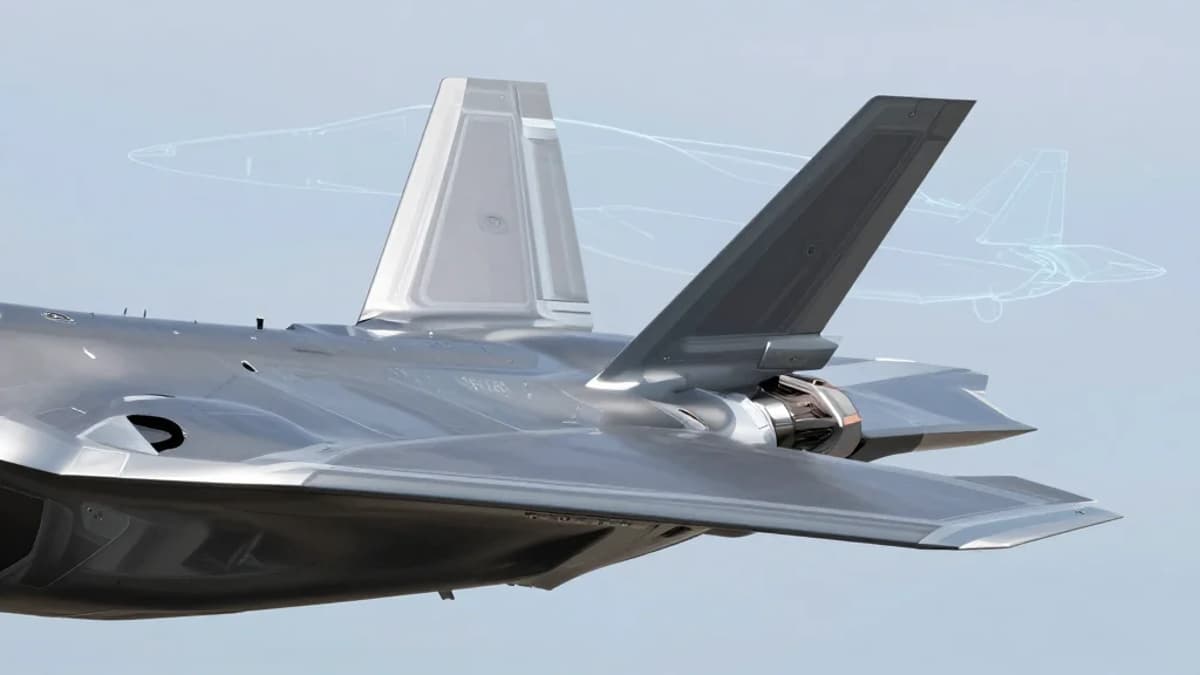
Air Force leaders discuss priorities for the Air Force’s Future Force Design
0
Comments
Want to join the conversation?
Loading comments...