Air Force Seeks Massive Budget Boost for Fund That Helps Manage Spare Parts
Why It Matters
Injecting billions into its supply‑chain fund allows the Air Force to close the spare‑parts gap that limits flight hours, directly strengthening national defense readiness.
Key Takeaways
- •Air Force requests $4.2 billion for CSAG supply division in FY 2027
- •Overall Working Capital Fund request jumps 3,012% to $4.4 billion
- •CSAG hasn't received direct appropriations since 2021
- •2024 mission‑capable rate fell to 62%, spurring parts funding
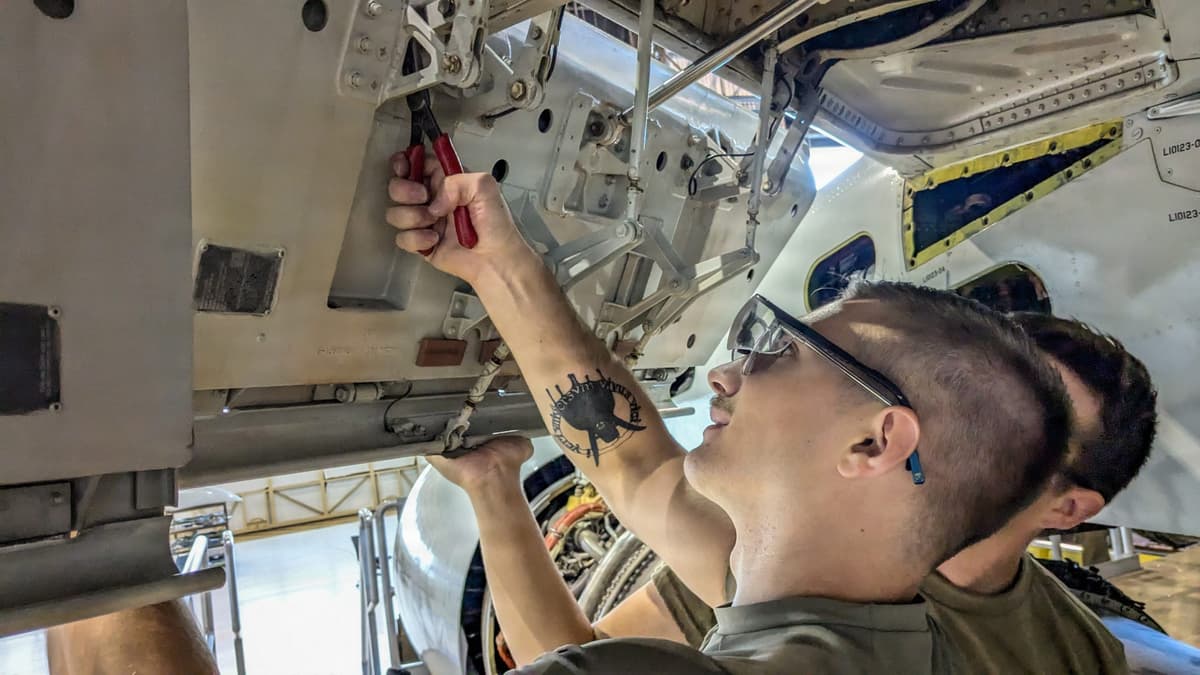
- •B‑52 spare‑part shortages force cannibalization and alternative sourcing
Pulse Analysis
The Air Force Working Capital Fund operates like a commercial enterprise, buying goods and services and reselling them to other Pentagon entities. Historically, these funds are self‑sustaining after an initial seed appropriation; the Air Force fund posted more revenue than expenses in FY 2026 and received only $143 million. The FY 2027 request, however, inflates the fund’s budget to $4.4 billion—a 3,012 percent jump—almost entirely earmarked for the Consolidated Sustainment Activity Group’s supply division. Such a surge signals a strategic shift from a lean model to a capital‑intensive approach aimed at fixing a critical logistics bottleneck.
Spare‑parts scarcity has become a headline issue for the service. In 2024 the Air Force’s fleet‑wide mission‑capable rate slipped to just 62 percent, meaning roughly four out of ten aircraft were grounded for lack of components. Iconic platforms like the B‑52 Stratofortress are especially vulnerable, with aging inventories forcing crews to cannibalize parts or seek costly aftermarket replacements. By allocating $4.2 billion to CSAG’s supply division, the Air Force hopes to replenish stockpiles, improve forecasting, and accelerate depot‑level repairs, directly boosting flight‑hour availability.
The budget move also reflects broader defense‑spending dynamics. With the Pentagon’s overall request topping $1.5 trillion, services are competing for limited appropriations, and the Air Force is leveraging its working‑capital mechanism to secure dedicated funding for sustainment. While the infusion could close the readiness gap, it raises questions about long‑term fiscal discipline and whether similar capital injections will become the norm for other services’ logistics funds. Observers will watch how quickly the additional dollars translate into measurable readiness gains and whether the model proves sustainable beyond the current fiscal cycle.
Air Force Seeks Massive Budget Boost for Fund That Helps Manage Spare Parts
Comments
Want to join the conversation?
Loading comments...