Air Force Wants AI in Its Air-Ops Command-and-Control System
Why It Matters
Integrating AI into the AOC will compress decision cycles for combatant commands, sharpening the United States’ multi‑domain advantage. The chosen acquisition model could become a template for faster, more agile defense procurement.
Key Takeaways
- •AI tools target faster planning for air, space, cyber missions
- •RFI seeks prime integrator; OTA considered for speed and flexibility
- •IL6 cloud and secret edge computing required for security compliance
- •Top‑secret clearance and continuity‑of‑operations mandate strict vendor vetting
Pulse Analysis
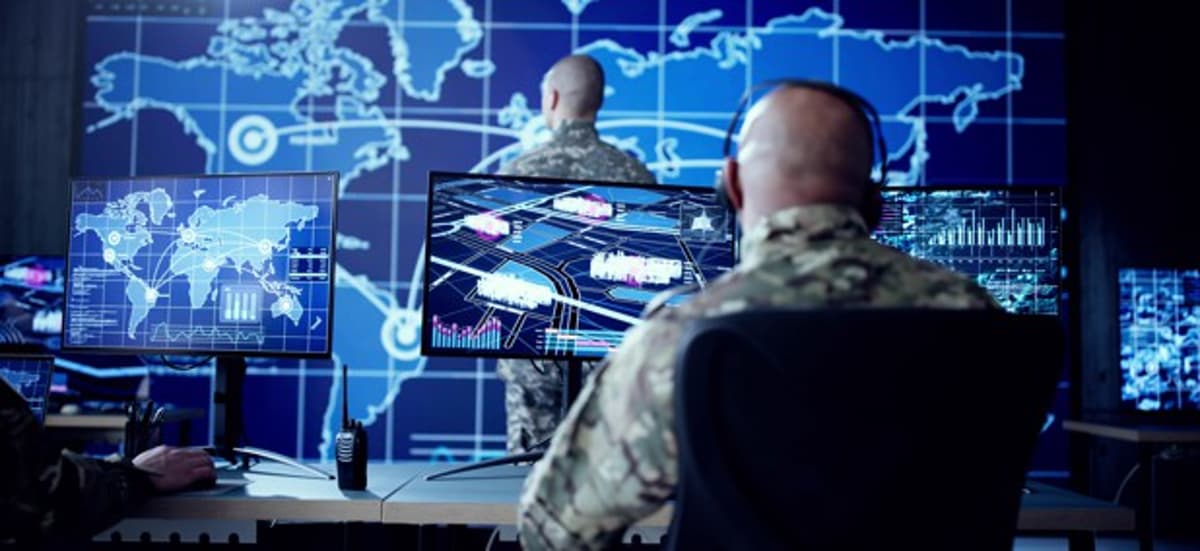
The Air Operations Center (AOC) has long been the nerve center for coordinating U.S. air, space, and cyber missions. By layering AI‑driven analytics and predictive tools onto the Next‑Generation AOC Weapon System, planners can sift through massive data streams in real time, generating optimal courses of action faster than traditional manual processes. This shift not only improves response times in contested environments but also enhances joint force synchronization across the three domains, a critical factor as adversaries invest heavily in anti‑access/area‑denial capabilities.
Acquisition strategy is equally pivotal. Managed by the Kessel Run software factory, the program is exploring other‑transaction agreements (OTAs) to sidestep the lengthy traditional procurement cycle. OTAs allow the Air Force to lock in a prime integrator quickly while retaining the flexibility to transition to a conventional contract for sustainment. The RFI’s emphasis on IL6 cloud compliance, secret‑level edge computing, and top‑secret facility clearance underscores the heightened cybersecurity posture required for AI workloads that may operate in disconnected or degraded environments.
For industry, the solicitation signals a lucrative entry point into a high‑stakes defense niche. Vendors that can demonstrate robust AI pipelines, secure cloud architectures, and the ability to obtain top‑secret clearances will be well‑positioned to win contracts. Moreover, the program’s demand for a competitive, level‑playing field may spur a wave of innovative proposals, potentially accelerating the broader adoption of AI across other Department of Defense command‑and‑control systems. Success here could reshape how the military sources cutting‑edge software, balancing speed, security, and fiscal responsibility.
Air Force wants AI in its air-ops command-and-control system
Comments
Want to join the conversation?
Loading comments...