Air Guard Cuts Tactical Air Control Units, Adds Cyber Operators
•February 27, 2026
0
Why It Matters
Redirecting manpower to cyber strengthens the Guard’s ability to counter near‑peer threats, while reducing reliance on legacy air‑control assets that are less relevant in future conflicts.
Key Takeaways
- •83 Guard positions eliminated, replaced by cyber roles.
- •Fort Gordon gains new cyber squadrons, boosting cyber capacity.
- •TOC-L packs command center onto single C‑130 pallet.
- •TACP workforce cut by 44%, reflecting reduced close‑air support demand.
- •Shift supports Battle Network, targeting China’s advanced threat landscape.
Pulse Analysis
The Air National Guard’s decision to deactivate the 177th Air Control Squadron in Georgia and trim the Iowa Air Guard’s tactical air‑control party reflects a broader realignment of force structure outlined in the FY‑25 defense budget. By eliminating 83 full‑time and part‑time positions, the service is reallocating scarce manpower toward cyber operations, a capability the Air Force deems essential for countering near‑peer threats such as China. New cyber squadrons at Fort Gordon and the 132nd Wing in Des Moines will expand the Guard’s offensive and defensive cyber posture, aligning with the Department of the Air Force’s Battle Network vision.
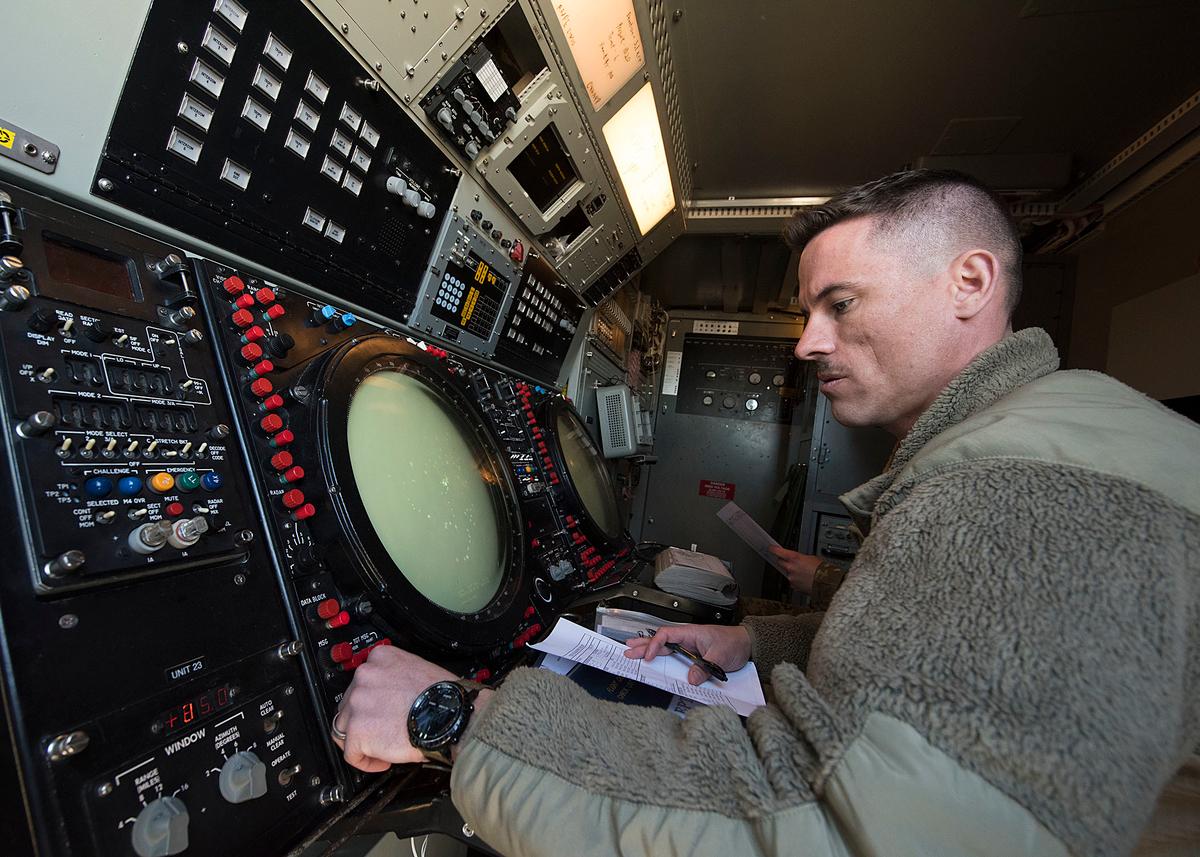
At the heart of this transformation is the Tactical Operations Center‑Light (TOC‑L), a modular command hub that condenses the legacy Control and Reporting Center’s six‑C‑17 footprint into a single 4,500‑pound pallet suitable for a C‑130. The system ingests data from up to 750 radar feeds and leverages artificial‑intelligence algorithms to prioritize targets, dramatically increasing situational awareness while reducing logistical burden. Booz Allen’s recent contract for 40 additional kits underscores the Air Force’s confidence that TOC‑L will become the “basic building block” of a more agile, network‑centric battle environment. The personnel shift carries significant implications for Guard members.
While four full‑time and 39 part‑time positions disappear in Georgia and a similar reduction occurs in Iowa, the new cyber billets promise career pathways in a high‑growth domain. The move also dovetails with the planned retirement of the A‑10 Thunderbolt II, freeing maintenance crews for platforms like the F‑35 and C‑130. Together, these changes signal a decisive pivot from traditional close‑air support toward a digitally dominant warfighting model, positioning the Air National Guard to meet the evolving threat landscape of the 2030s.
Air Guard Cuts Tactical Air Control Units, Adds Cyber Operators
0
Comments
Want to join the conversation?
Loading comments...