Airbus Downplays Total FCAS Failure, Shifts Focus to Network and Drones
Companies Mentioned
Why It Matters
The continuation of FCAS preserves Europe’s strategic push for a sovereign, next‑generation combat capability, and safeguards billions of dollars of investment and industrial jobs.
Key Takeaways
- •Airbus commits to Combat Cloud networking despite partner disputes.
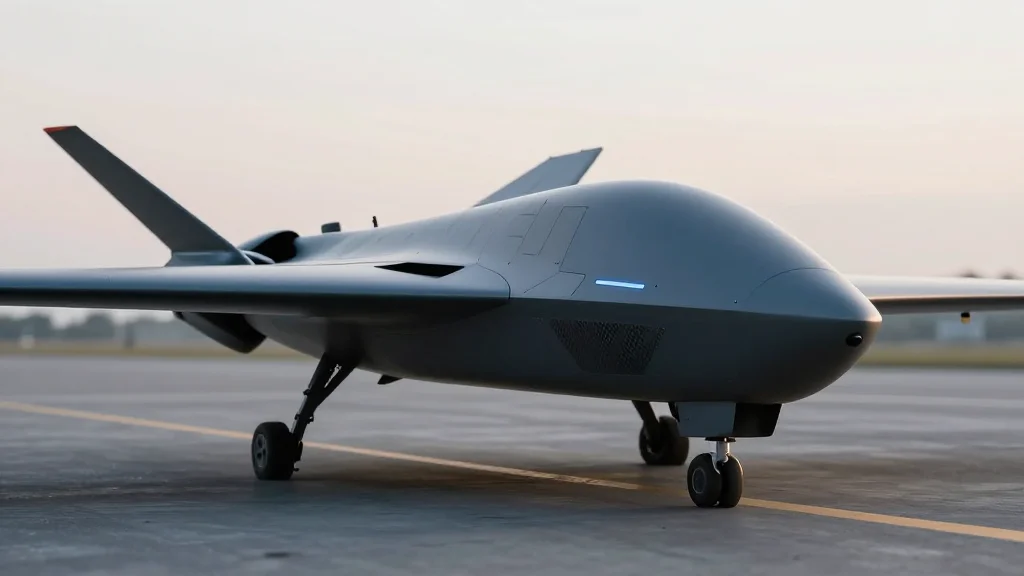
- •Drone component (CCA) will proceed, supporting uncrewed combat roles.
- •€100 bn ($116 bn) program targets operational capability by 2040.
- •Political resolution sought before ILA Berlin Air Show, June 10.
- •Germany alone cannot fund the full FCAS effort.
Pulse Analysis
Europe’s drive to field an indigenous combat air system has taken on renewed urgency as the United States and China accelerate their own fifth‑generation fighter programs. The Future Combat Air System (FCAS) represents the continent’s most ambitious attempt to integrate piloted jets, uncrewed carriers and a data‑centric “Combat Cloud” that can fuse sensor inputs across domains. By keeping the networking and drone strands alive, Airbus signals confidence that the core architecture can still deliver the promised interoperability, even if the fighter‑design dispute lingers.
Technically, FCAS is built around modularity and scalability, allowing legacy platforms such as the Eurofighter Typhoon and Rafale to plug into a common data fabric. Artificial‑intelligence algorithms will prioritize threats, while big‑data analytics support real‑time decision making. The Collaborative Combat Aircraft drone, designed to act as a remote carrier, expands the strike envelope without exposing pilots to high‑risk environments. Targeting full operational capability by 2040, the program’s timeline reflects the complexity of integrating AI, secure communications and autonomous systems into a single, cohesive combat network.
From a business perspective, the €100 bn ($116 bn) investment underpins thousands of jobs across Germany, France and Spain and anchors a supply chain that includes aerospace, software and advanced electronics firms. A political settlement before the ILA Berlin Air Show could unlock further funding and reassure partners, while a split or delay would risk fragmenting Europe’s defence industrial base. For investors and policymakers, FCAS remains a bellwether of Europe’s ability to compete in high‑tech defence markets and to maintain strategic autonomy in an increasingly contested global security environment.
Airbus downplays total FCAS failure, shifts focus to network and drones
Comments
Want to join the conversation?
Loading comments...