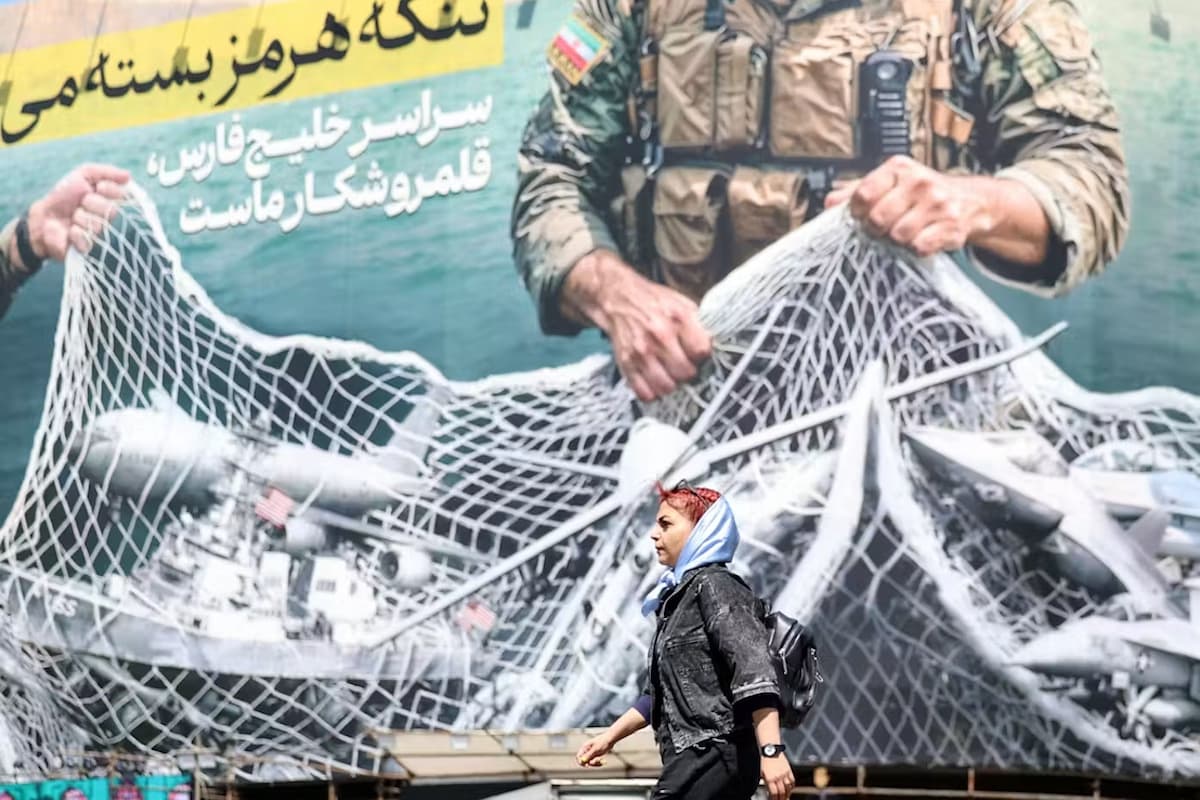
All the Ways Iran Beat Trump Into Submission
Why It Matters
The conflict demonstrates how a weaker state can extract political concessions from superior powers by exploiting economic and logistical vulnerabilities, reshaping regional power dynamics. It signals that future U.S. and Israeli engagements will need to account for asymmetric cost‑imposition strategies.
Key Takeaways
- •Iran retained functional missile and drone forces after extensive US‑Israeli strikes
- •Closure of the Strait of Hormuz raised global energy‑price volatility
- •US and Israel burned costly, slow‑replenish munitions in prolonged fight
- •Iran mobilized Hezbollah and Houthis into a coordinated "security belt"
- •Trump’s administration agreed to a cease‑fire, conceding strategic pressure
Pulse Analysis
Iran’s resilience in the 2026 war underscores the potency of asymmetric warfare when a smaller power can turn its opponent’s strengths into liabilities. By preserving a credible missile and drone arsenal, Tehran maintained a credible deterrent that forced the United States and Israel to operate under the constant threat of retaliation against critical regional infrastructure. The closure of the Strait of Hormuz, a chokepoint for roughly 20% of global oil shipments, amplified the economic stakes, driving up energy prices and compelling Gulf allies to reassess their security calculations.
Beyond the battlefield, Iran’s strategy hinged on exploiting logistical and fiscal vulnerabilities of its foes. The prolonged air campaign drained U.S. and Israeli stockpiles of precision‑guided munitions, which are expensive and take months to replace. Simultaneously, Tehran’s attacks on energy facilities in Saudi Arabia and the United Arab Emirates disrupted supply chains, creating political pressure on Washington to seek a diplomatic exit. This cost‑imposition approach mirrors historical cases where weaker states leveraged economic disruption to achieve political ends, reinforcing the importance of comprehensive risk assessments in future coalition operations.
Looking ahead, Tehran is institutionalizing its gains through a revamped "Axis of Resistance," integrating Hezbollah, the Houthis, and other regional proxies into a unified security framework. This coalition not only expands Iran’s strike options—such as potential attacks on under‑sea cables—but also provides a collective bargaining chip in any negotiations with the United States. For policymakers, the lesson is clear: military superiority alone cannot guarantee strategic success; understanding and countering an adversary’s ability to impose asymmetric costs is essential for shaping durable peace settlements.
All the ways Iran beat Trump into submission
Comments
Want to join the conversation?
Loading comments...