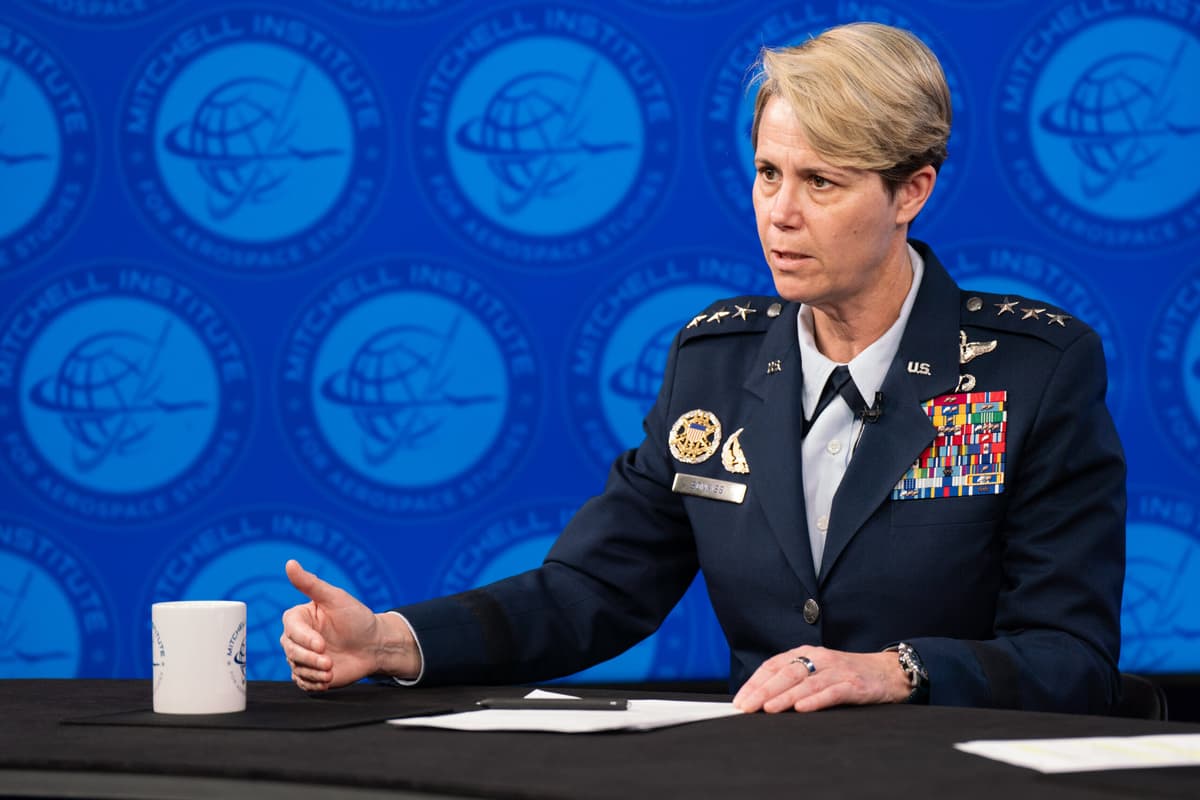
AMC Head Looks to Pair B-21 With ‘Capable, Modern Tanker’
Why It Matters
A capable, modern tanker is critical for the B‑21’s global strike reach and for preserving U.S. air‑power in contested environments.
Key Takeaways
- •NGAS AOA study evaluates KC‑46 expansion, protected tankers, stealth platform
- •Air Force aims to field NGAS by mid‑2030s, replacing 60‑year‑old KC‑135s
- •B‑21 Raider requires a survivable, modern refueler for contested environments
- •Radical concepts include blended wing‑body and unmanned tanker designs
Pulse Analysis
The Air Force’s next‑generation aerial refueling system (NGAS) is more than a logistics upgrade; it is a strategic enabler for the nation’s emerging high‑end strike capabilities. As the B‑21 Raider enters service, the ability to project power from U.S. bases without forward deployment hinges on a tanker that can survive contested airspace. Existing KC‑135s, first delivered in the 1950s, lack the stealth and survivability needed against modern air defenses, prompting senior leaders to prioritize a modern solution.
The ongoing Analysis of Alternatives (AOA) study reflects a multi‑track approach. One track maintains momentum on KC‑46 Pegasus deliveries, leveraging an already fielded platform while exploring defensive upgrades such as electronic warfare suites and escort concepts. A second track investigates a purpose‑built stealth tanker, potentially employing a blended wing‑body airframe or unmanned technology to reduce radar cross‑section and crew risk. The third, hybrid track, could combine incremental KC‑46 procurement with a limited run of a new survivable tanker, balancing cost, risk, and timeline pressures as the mid‑2030s fielding goal looms.
Industry stakeholders are watching closely, as the Air Force’s August 2025 request for information signaled a willingness to entertain unconventional designs. A successful NGAS program could spur a new market segment for low‑observable, high‑end refueling aircraft, influencing commercial aerospace and defense supply chains. Conversely, budget constraints and the need to retire the KC‑135 fleet may force trade‑offs that shape the final architecture. Ultimately, the tanker decision will affect the United States’ ability to sustain long‑range, high‑tempo operations and maintain strategic deterrence in an increasingly contested global arena.
AMC Head Looks to Pair B-21 With ‘Capable, Modern Tanker’
Comments
Want to join the conversation?
Loading comments...