AMC Interim Commander Emphasizes Airmen, Aircraft Readiness Importance at AFA
•February 26, 2026
0
Why It Matters
Modernizing the strategic airlift fleet and closing connectivity gaps directly strengthens U.S. deterrence and joint force effectiveness in contested environments.
Key Takeaways
- •Need to modernize fleet with Next Generation Airlift
- •Connectivity gaps reduce aircraft survivability in contested zones
- •Reserve component models increase active‑duty availability and training
- •Investing in tools accelerates readiness for future conflicts
- •Strategic airlift modernization critical for joint force deterrence
Pulse Analysis
The Air Mobility Command’s interim leader, Lt. Gen. Rebecca Sonkiss, used the AFA Warfare Symposium to reaffirm that mobility readiness is the linchpin of America’s power projection. In an era where great‑power competition drives contested airspace, the ability to launch, sustain, and protect strategic airlift assets determines whether deterrence holds or conflict erupts. Sonkiss’s emphasis on “fly and fix” aligns with Chief of Staff Gen. Ken Wilsbach’s back‑to‑basics agenda, reminding industry and policymakers that aircraft health, precision loading, and seamless command‑and‑control are non‑negotiable for mission success.
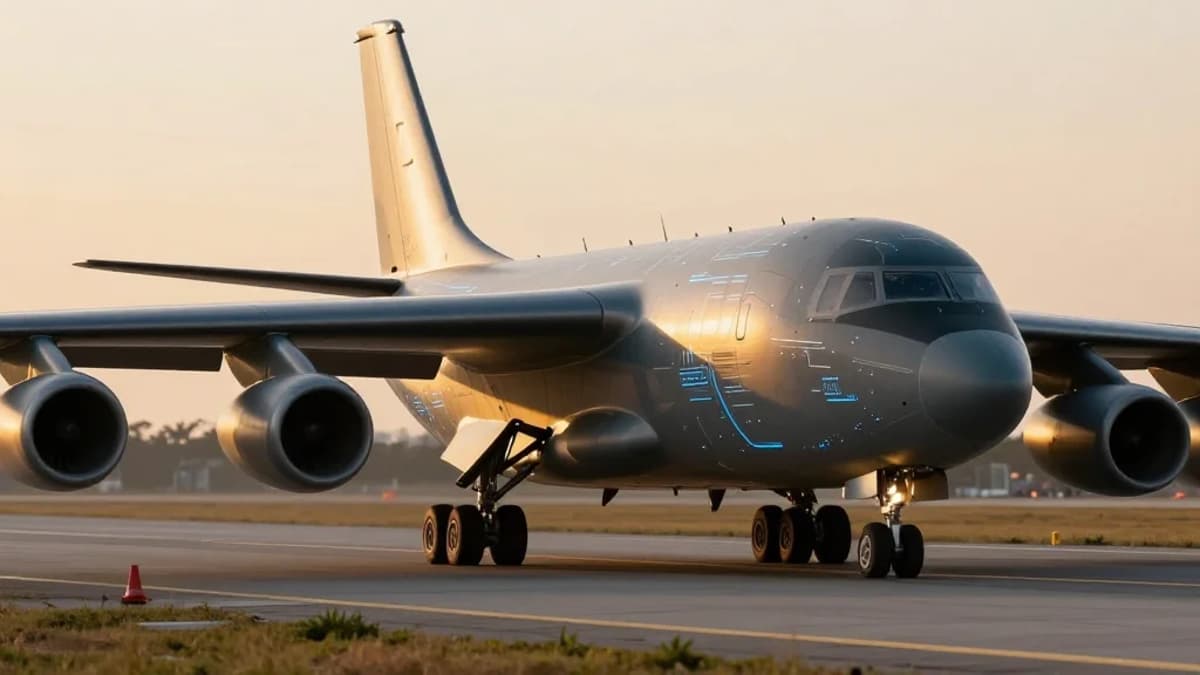
A central pillar of Sonkiss’s briefing was the urgent need to replace the aging C‑5M Super Galaxy and C‑17 Globemaster III with the Next Generation Airlift (NGAL) platform. The current fleet, while proven, faces escalating maintenance costs and limited adaptability to emerging threats such as anti‑access/area‑denial systems. NGAL promises greater payload capacity, reduced radar signature, and integrated digital architecture, positioning the United States to sustain global reach while mitigating vulnerability. Funding timelines and acquisition pathways will be scrutinized by Congress, making industry engagement on cost‑effective solutions critical.
Beyond hardware, Sonkiss highlighted connectivity as a force multiplier. She cited recent operations where KC‑46 data links enabled real‑time mission coordination, illustrating how networked aircraft improve survivability and operational tempo. To close the connectivity gap, the AMC plans to embed advanced communications suites across the mobility fleet and expand predictive mobilization models that tap the Air Reserve Component. This approach not only eases active‑duty strain but also creates a more resilient, scalable force ready for continuous global missions. The convergence of modern platforms, robust networks, and reserve integration signals a decisive shift toward a more agile and lethal air‑mobility enterprise.
AMC interim commander emphasizes Airmen, aircraft readiness importance at AFA
0
Comments
Want to join the conversation?
Loading comments...