AMC Still Open to Wide Range of Options for New Tanker, Including Family of Systems
•February 25, 2026
0
Why It Matters
The tanker decision will dictate U.S. aerial‑refueling reach, directly influencing power projection and the ability to support next‑generation bombers in contested environments.
Key Takeaways
- •Air Force evaluating stealth, blended-wing, and unmanned tankers
- •Northrop proposes three-tier family of tanker systems
- •KC-135 fleet aging; replacement urgency rises
- •KC-46 acquisition continues but won’t close capability gap
- •AMC market research seeks industry input on NGAS
Pulse Analysis
The Air Force’s tanker fleet is at a crossroads. More than 75% of its 500‑strong refueling force consists of KC‑135s that first flew in the 1950s, and their age is eroding reliability and mission readiness. Recent high‑intensity operations, such as the Midnight Hammer strike, have underscored how essential robust aerial refueling is for deep‑strike platforms like the B‑21 bomber. While the KC‑46 Pegasus program adds modern capability, the limited purchase of roughly 260 aircraft leaves a sizable gap that must be filled to sustain global reach.
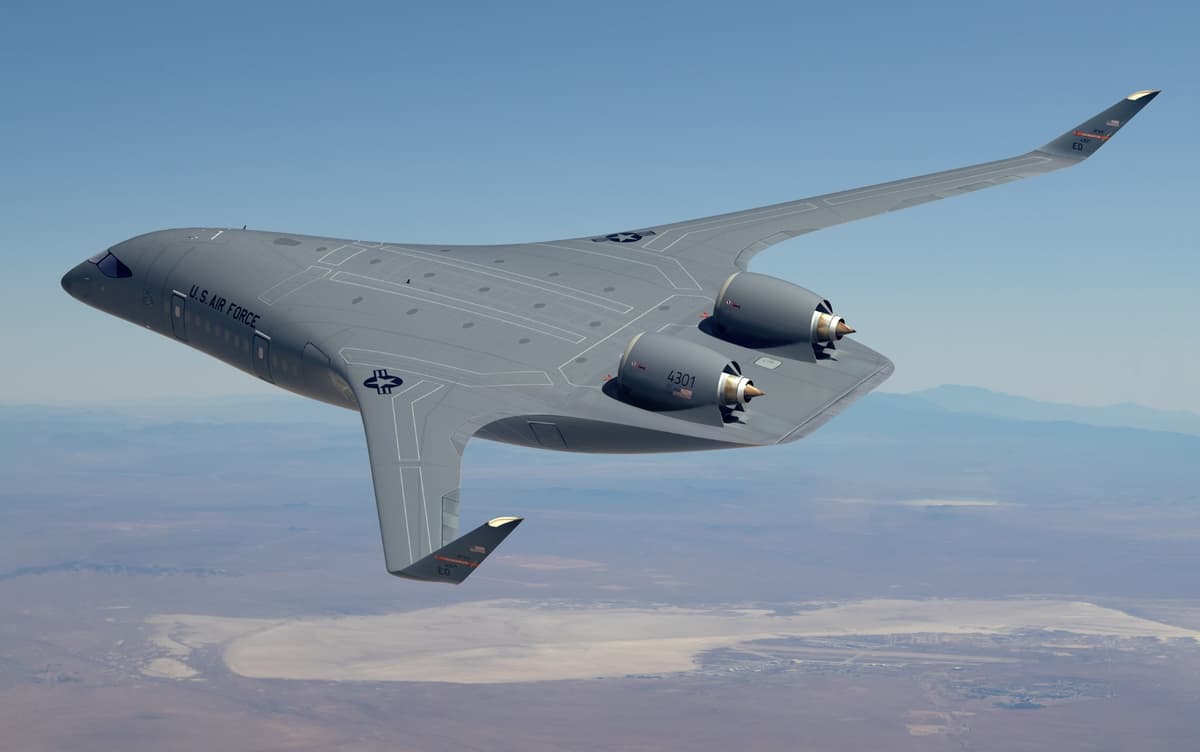
Enter the Next‑Generation Air Refueling System (NGAS), a concept that may become a “family of systems” rather than a single airframe. The Air Mobility Command is actively soliciting industry ideas ranging from low‑observable designs to converted business jets and even unmanned platforms. Northrop Grumman’s three‑part proposal exemplifies this approach, pairing a large blended‑wing body tanker for high‑capacity missions, a midsized KC‑390‑derived aircraft with an autonomous boom, and a small, unmanned refueler for contested environments. This modular strategy promises flexibility, allowing the service to tailor capabilities to specific threat spectra while spreading risk across multiple development paths.
Strategically, the tanker modernization effort will shape the United States’ ability to project power in the Indo‑Pacific and other contested regions. A diversified fleet can operate closer to peer‑adversary air defenses, ensuring that bombers, fighters, and ISR platforms receive fuel without exposing a single, vulnerable asset. However, the breadth of options also complicates budgeting and acquisition timelines, requiring careful trade‑offs between rapid fielding and long‑term sustainment. Ultimately, the NGAS decision will set the tone for Air Force logistics for the next half‑century, influencing everything from force structure to allied interoperability.
AMC Still Open to Wide Range of Options for New Tanker, Including Family of Systems
0
Comments
Want to join the conversation?
Loading comments...