American Admiral: You Don’t Want to Fight Alone
Why It Matters
Allied contributions are essential to U.S. military success; alienating partners could weaken strategic deterrence and increase war‑fighting costs.
Key Takeaways
- •US allies saved countless American lives in Afghanistan
- •Trump's NATO remarks risked diplomatic friction
- •McRaven stresses fighting alone endangers national security
- •British SAS conducted high‑risk anti‑terror missions
- •Poland lost 43 soldiers, highlighting coalition sacrifices
Pulse Analysis
The debate over NATO cohesion resurfaced after President Trump’s off‑hand remark about allies “holding back” in Afghanistan. While the comment was quickly softened on social media, it underscored a deeper concern: the United States’ reliance on coalition partners for expeditionary operations. Historical data shows that U.S. forces have consistently depended on British, Canadian, Australian and European troops for intelligence, special‑operations support, and ground presence, especially in complex environments like Afghanistan and Iraq. Diminishing these contributions can erode trust, complicate joint planning, and raise the political cost of future engagements.
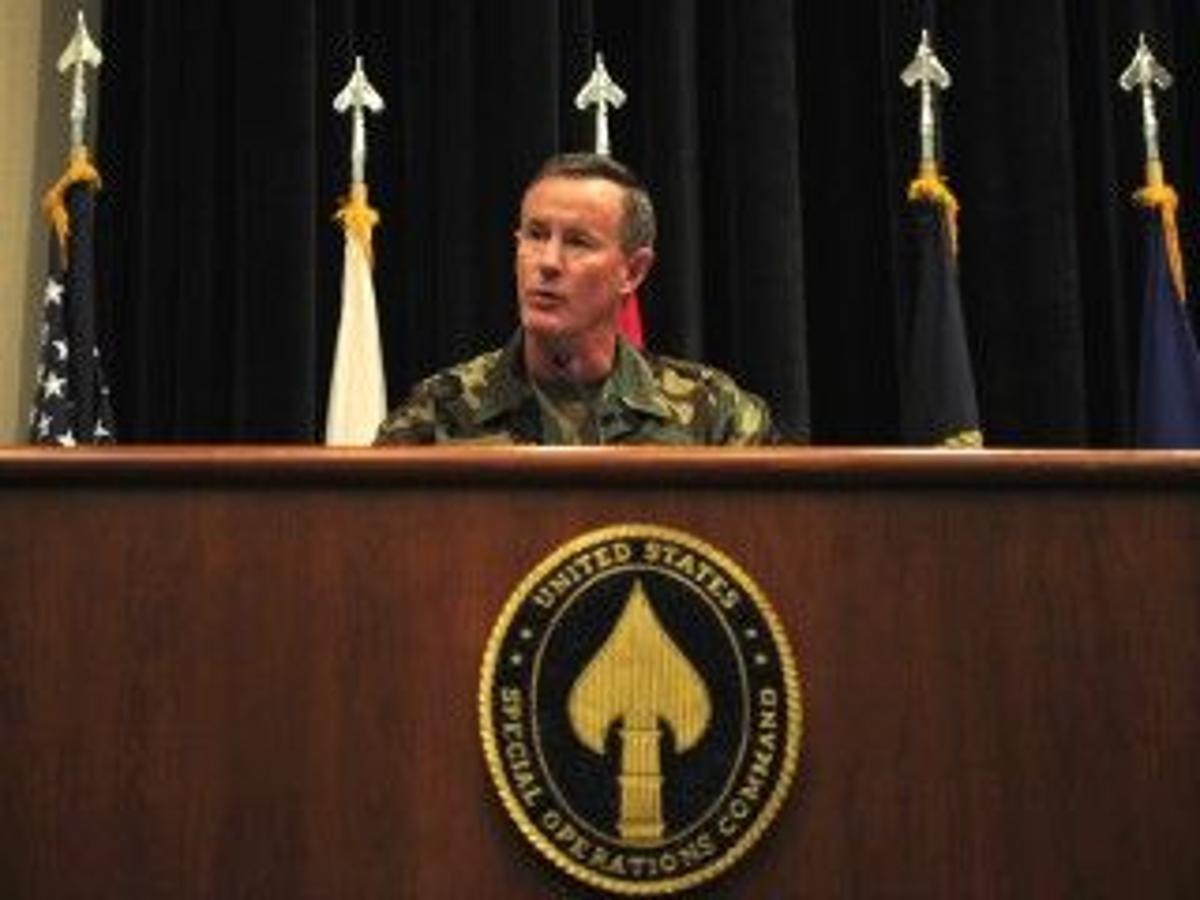
Admiral William H. McRaven’s appeal draws on his experience leading U.S. Special Operations Command during the raid that killed Osama bin Laden. He emphasizes that allies not only provided critical capabilities but also absorbed a significant share of casualties—457 British soldiers, 43 Polish troops, and dozens from other NATO members. These sacrifices translate into tangible operational benefits: local language expertise, cultural insight, and shared burden‑sharing that reduce the overall strain on U.S. forces. Recognizing and honoring these contributions is a strategic imperative to maintain a credible deterrent posture against state and non‑state adversaries.
Looking forward, policymakers must balance domestic political rhetoric with the practical realities of coalition warfare. Strengthening alliance mechanisms, ensuring equitable burden‑sharing, and publicly acknowledging partner sacrifices can reinforce the transatlantic bond that underpins U.S. security strategy. Failure to do so may compel the United States to shoulder disproportionate costs or, in the worst case, face isolated conflict scenarios that strain military resources and diminish global influence.
American Admiral: You don’t want to fight alone
Comments
Want to join the conversation?
Loading comments...