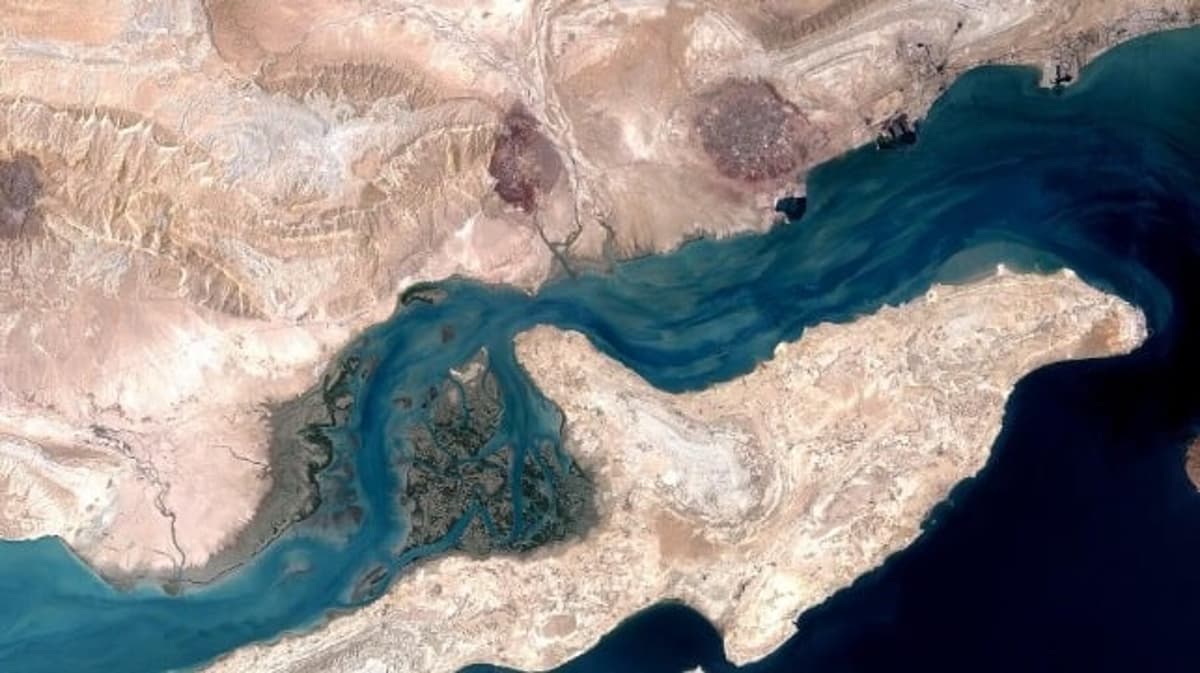
Amidst Ceasefire, U.S. and Iran Trade Strikes in Strait of Hormuz
Why It Matters
The exchange raises the risk of escalation in the strategically vital Strait of Hormuz, threatening global oil shipments and market stability. It also tests the durability of the fragile ceasefire and could reshape diplomatic negotiations.
Key Takeaways
- •U.S. bombed Qeshm Island and Bandar Abbas port amid ceasefire.
- •Iran's armed forces label strikes as ceasefire violation, promise retaliation.
- •UAE initially blamed, but later reports suggest U.S. involvement.
- •Commercial areas of Bahman Pier and nearby coastlines hit by blasts.
Pulse Analysis
The Strait of Hormuz remains one of the world’s most critical chokepoints, funneling roughly 20% of global oil trade daily. Any disruption—whether from state actors or proxy forces—can instantly ripple through energy markets, prompting price spikes and supply chain concerns. The recent U.S. strikes on Qeshm Island and Bandar Abbas underscore how quickly localized military actions can threaten the flow of crude and refined products, especially when they occur under a tenuous ceasefire framework.
Washington’s justification that the attacks do not constitute a ceasefire violation mirrors its earlier stance on Iranian assaults against merchant vessels and offshore infrastructure. By framing both sides’ actions as limited, the U.S. aims to preserve the broader diplomatic effort while retaining operational flexibility. Iran’s armed forces, however, have publicly labeled the strikes a breach and vowed retaliation, a narrative amplified by Iranian media outlets that initially misattributed the blasts to the United Arab Emirates. This back‑and‑forth highlights the information warfare that accompanies kinetic moves in the region, complicating real‑time assessments for policymakers and investors.
For markets, the episode injects fresh uncertainty into an already volatile geopolitical landscape. Traders watch closely for any escalation that could close the Hormuz lane, which would force rerouting of tankers at higher cost and potentially trigger insurance premium hikes. Diplomatically, the incident tests the resilience of ongoing negotiations aimed at a longer‑term peace settlement. Stakeholders—from multinational oil majors to regional governments—must weigh the risk of a broader conflict against the strategic imperative of keeping the strait open, making every strike a potential catalyst for wider economic repercussions.
Amidst Ceasefire, U.S. and Iran Trade Strikes in Strait of Hormuz
Comments
Want to join the conversation?
Loading comments...