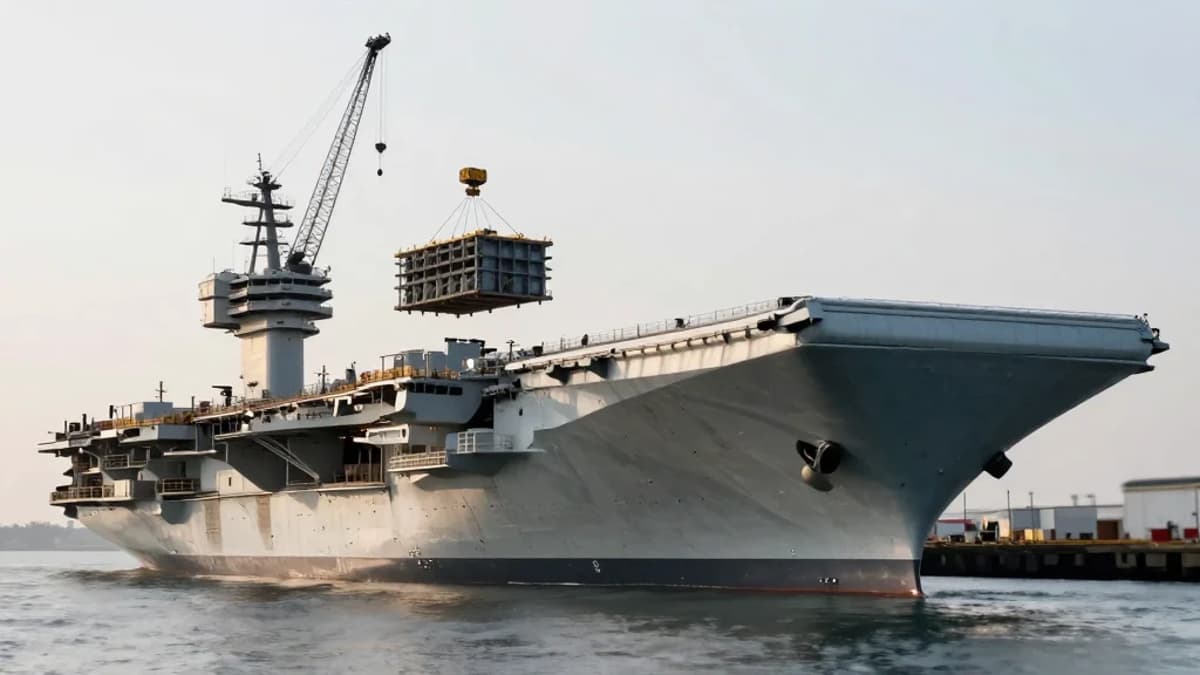
Anchors Away: The Perils of Our Shipbuilding Imbalance
Why It Matters
A lagging shipbuilding pipeline erodes U.S. maritime superiority and inflates defense budgets, jeopardizing national security objectives in a volatile region.
Key Takeaways
- •U.S. shipyards lag behind demand for new warships
- •Production bottlenecks increase costs and delay deployments
- •Imbalance threatens naval dominance in Indo-Pacific
- •Congressional funding constraints limit capacity expansion
- •Industry calls for modernized procurement processes
Pulse Analysis
The United States’ shipbuilding dilemma is not a new phenomenon; it echoes the post‑World II scramble to replace aging vessels while confronting emerging threats. Naval theorist Alfred Thayer Mahan emphasized sea power as the cornerstone of national influence, a principle that today’s policymakers must translate into a robust industrial base. Yet the current shipyard ecosystem, fragmented across legacy contractors and under‑invested facilities, struggles to keep pace with the Navy’s ambitious surface‑combat and submarine programs.
Modern challenges compound the historic imbalance. Tight labor markets, outdated tooling, and a patchwork of congressional appropriations have created a perfect storm of production delays and cost overruns. The Navy’s push for next‑generation destroyers, frigates, and unmanned platforms collides with a capacity ceiling that forces schedule extensions and forces the service to rely on foreign shipyards for interim solutions. Supply‑chain vulnerabilities, especially in critical steel and electronics, further strain the delivery timeline, prompting senior officials to call for a streamlined acquisition process.
Strategically, the shipbuilding shortfall threatens to cede maritime initiative to rival powers in the Indo‑Pacific, where rapid fleet expansion is essential for deterrence and freedom of navigation. Addressing the gap requires coordinated action: increased federal investment in shipyard modernization, incentives for private‑sector innovation, and a shift toward modular, faster‑build designs. By realigning procurement policies with industrial capabilities, the U.S. can restore its shipbuilding equilibrium and safeguard its long‑term naval dominance.
Anchors Away: The Perils of Our Shipbuilding Imbalance


Comments
Want to join the conversation?
Loading comments...