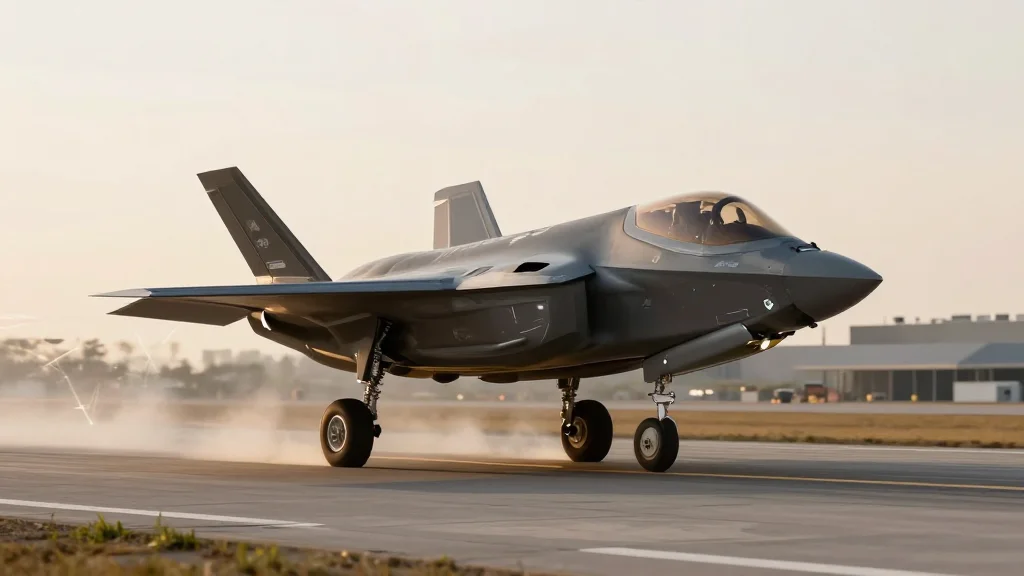
ANG Leaders Convene to Align on Wartime Readiness, ‘Bring the Future Faster’
Why It Matters
Elevating the Air National Guard’s readiness and modernizing its fleet directly strengthens U.S. defense posture, while improved recruiting and retention ensure a sustainable talent pipeline for future conflicts.
Key Takeaways
- •ANG leaders prioritize wartime readiness across all units
- •Modernization targets aging aircraft, digital command systems
- •Recruiting drive seeks 5,000 new airmen by 2028
- •Retention initiatives focus on career flexibility and incentives
- •Fly‑In serves as platform for strategic alignment
Pulse Analysis
The Air National Guard (ANG) remains a critical component of the United States’ total force strategy, providing surge capacity and domestic response capabilities. The annual Wing Leader Fly‑In, a tradition dating back decades, brings together senior commanders to assess operational gaps and chart future direction. This year’s gathering underscored a shift from routine maintenance to a proactive stance on wartime readiness, reflecting geopolitical tensions and the need for rapid mobilization. By framing the agenda around "bringing the future faster," the ANG signals its intent to stay ahead of emerging threats and integrate seamlessly with active‑duty counterparts.
Modernization sits at the heart of the ANG’s agenda, with leaders calling for accelerated replacement of legacy aircraft and the adoption of next‑generation digital command, control, and communications (C3) platforms. Investment in advanced simulators, predictive maintenance analytics, and interoperable data links aims to close the capability gap between reserve and active forces. This equipment overhaul not only enhances combat effectiveness but also positions the Guard to support joint operations in contested environments, from the Indo‑Pacific to Eastern Europe. Budget allocations are being aligned with these priorities, ensuring that modernization dollars translate into tangible readiness gains.
Recruiting and retention present parallel challenges as the Guard competes for talent in a tight labor market. The new strategy outlines a multi‑pronged approach: targeted outreach to high‑school and college students, expanded apprenticeship programs, and incentive packages that emphasize career flexibility, education benefits, and quality‑of‑life improvements. By setting a goal of adding roughly 5,000 new airmen by 2028, the ANG aims to replenish its ranks while preserving institutional knowledge. Successful execution of these initiatives will secure a resilient force capable of meeting both domestic missions and overseas contingencies, reinforcing the Guard’s role as a versatile pillar of national security.
ANG leaders convene to align on wartime readiness, ‘bring the future faster’
Comments
Want to join the conversation?
Loading comments...