Another Franco-German Dream at Risk: Rheinmetall CEO Warns French Exit From MGCS Cannot Be Ruled Out
Companies Mentioned
Why It Matters
A French pull‑out would jeopardise Europe’s ambition to field a next‑generation, networked main battle tank, weakening collective defence and fracturing the continent’s defence industrial base.
Key Takeaways
- •French may pull funding from Franco‑German MGCS tank program
- •MGCS budget received only €25 million ($29 million) since 2017
- •CAPINT interim tank combines German hull with French turret, slated 2030 demo
- •Delays push Germany to study Leopard 3/2AX for early‑2030s
- •Rheinmetall unveiled KF51 as alternative to joint MGCS tank
Pulse Analysis
The recent abandonment of the Future Combat Air System (FCAS) has exposed the fragility of Europe’s high‑end defence collaborations. Both France and Germany blamed divergent work‑share expectations for the fighter’s demise, and the fallout has quickly spilled over into other joint programmes. The Main Ground Combat System (MGCS), conceived as a sixth‑generation tank platform, now finds itself under a cloud of uncertainty as political and budgetary tensions resurface, threatening the broader vision of an integrated European combat ecosystem.
MGCS was launched in 2017 with the goal of replacing the Leopard 2 and Leclerc by the mid‑2030s, yet it has struggled to secure steady financing, receiving just €25 million ($29 million) to date. Paris favours a lighter, globally deployable tank, while Berlin pushes for a heavier, heavily armoured design suited to a potential high‑intensity conflict with Russia. Adding to the strain, Rheinmetall’s involvement has upset the original KNDS partnership, and recent comments from the German government suggest the project may shift toward “platform‑independent” technologies, leaving the joint tank concept in doubt.
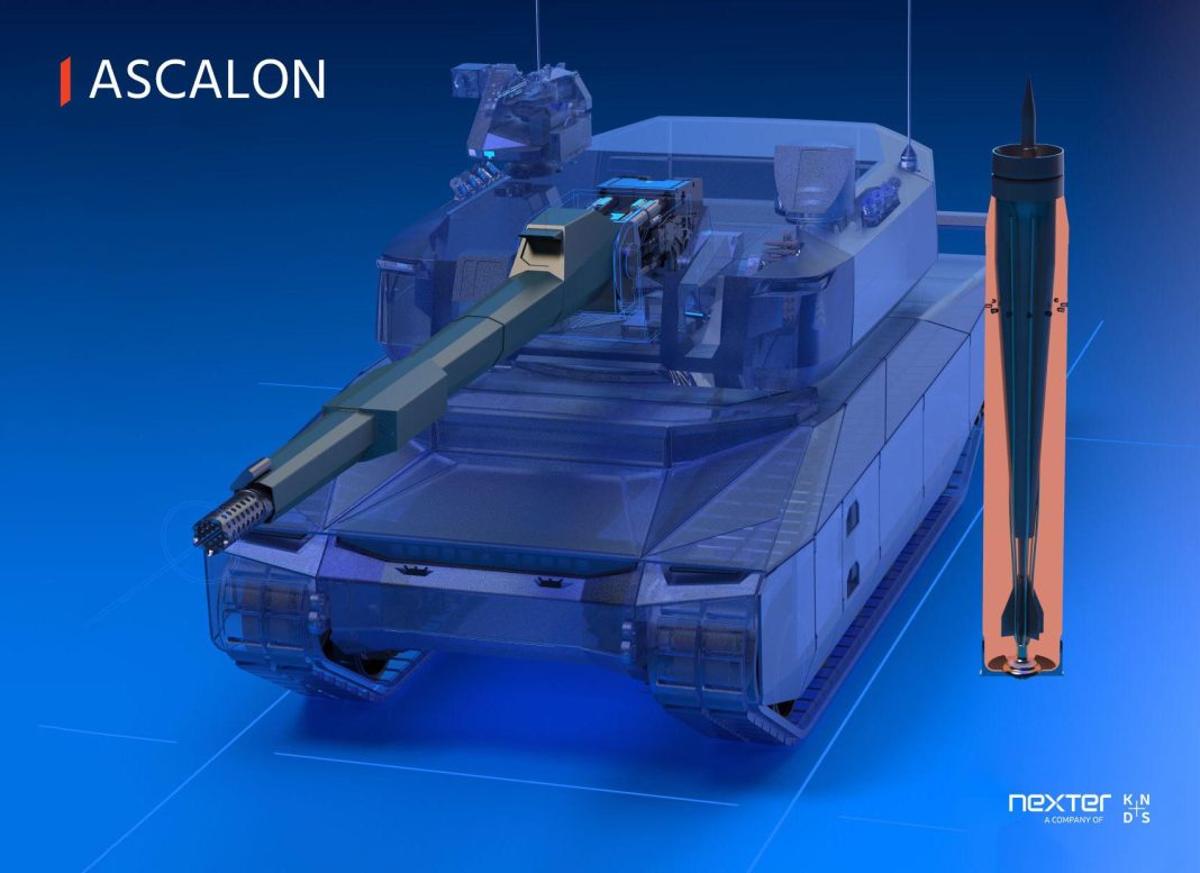
With the MGCS timeline slipping to the mid‑2040s, both nations are hedging their bets by fielding interim solutions. Germany is commissioning studies for a Leopard 3/2AX to bridge the capability gap, and France is backing the CAPINT demonstrator—a hybrid of a German Leopard 2A8 hull and a French turret—targeted for a 2030 prototype. These stop‑gap programmes not only preserve combat readiness but also signal a potential fragmentation of Europe’s defence industrial base, as national firms chase export orders and independent development paths, potentially eroding the economies of scale that joint projects once promised.
Another Franco-German Dream at Risk: Rheinmetall CEO Warns French Exit from MGCS Cannot Be Ruled Out
Comments
Want to join the conversation?
Loading comments...