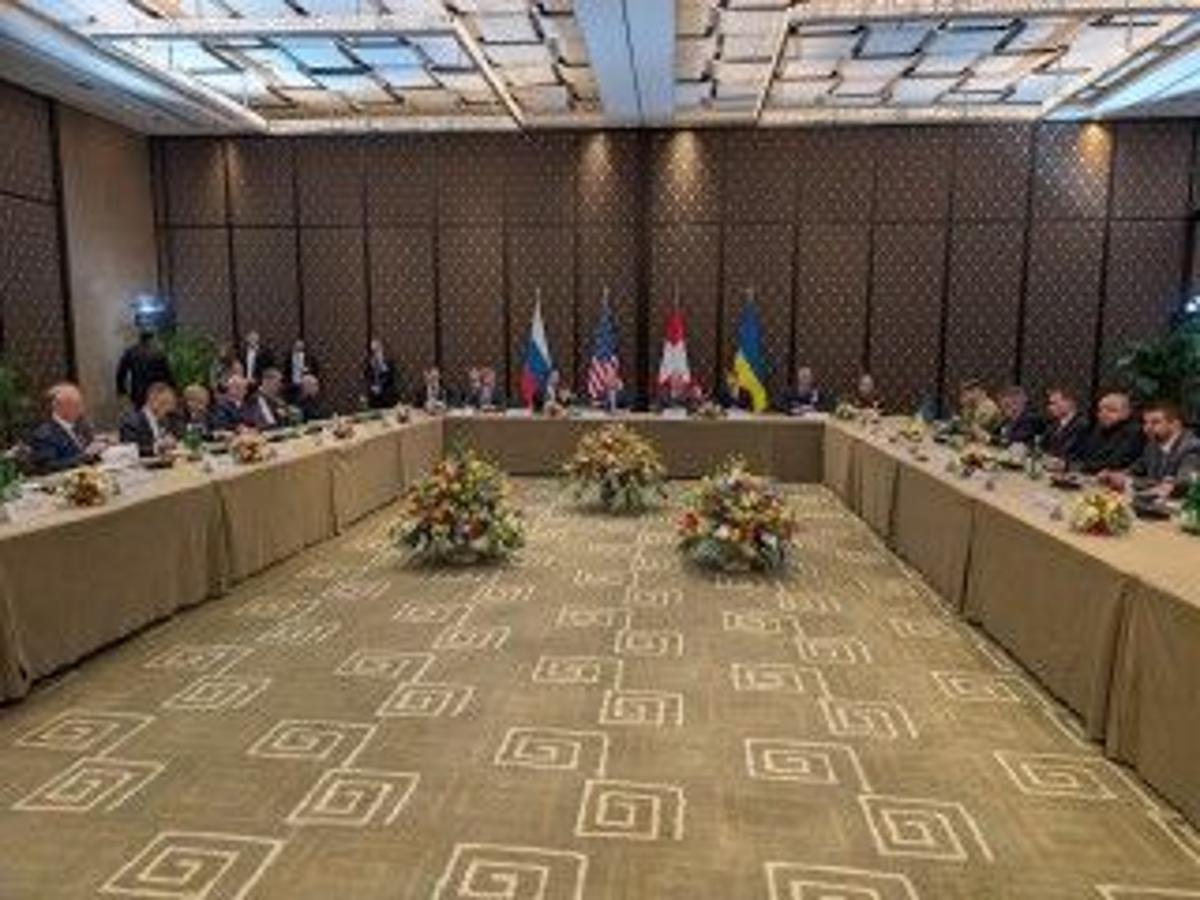
Another Round of Negotiations in the Ukraine-US-Russia Format
•February 17, 2026
0
Why It Matters
The talks could shape the trajectory of the four‑year conflict and influence broader US‑Russia relations, making any progress critical for regional stability.
Key Takeaways
- •Geneva talks resume on Dec 17, 2026
- •Ukraine seeks swift, lasting peace
- •Territorial issues on Russia’s agenda
- •US delegation includes Kushner after Iran talks
- •Only prisoner swap achieved so far
Pulse Analysis
The Geneva round marks the latest attempt to break a deadlock that has persisted since Russia’s 2022 invasion. By assembling high‑level representatives—Ukraine’s security council chief, the U.S. special envoy, and Russia’s investment and intelligence officials—the dialogue signals a willingness to address both immediate humanitarian needs and the thornier question of contested territories. Analysts note that the inclusion of Jared Kushner, fresh from Iran nuclear negotiations, underscores Washington’s broader diplomatic calculus, linking European security to Middle‑East non‑proliferation efforts.
Security and humanitarian dimensions dominate the agenda, reflecting the war’s evolving character. While Ukraine pushes for rapid cessation of hostilities, Russia’s emphasis on territorial adjustments hints at a strategic push to cement any future settlement on the ground. The presence of military intelligence chiefs from both sides suggests that discussions will delve into cease‑fire monitoring mechanisms, prisoner exchanges, and de‑mining operations—critical components for rebuilding civilian life and restoring cross‑border trade.
Despite the high‑profile roster, the format’s track record remains limited, with only a prisoner swap achieved so far. Yet each iteration refines negotiation parameters, testing the resolve of the parties and the influence of external actors such as the EU and NATO. Should the talks yield concrete steps toward de‑escalation, they could unlock additional diplomatic channels, reduce humanitarian suffering, and potentially reshape the geopolitical balance in Eastern Europe, reinforcing the importance of sustained multilateral engagement.
Another round of negotiations in the Ukraine-US-Russia format
0
Comments
Want to join the conversation?
Loading comments...