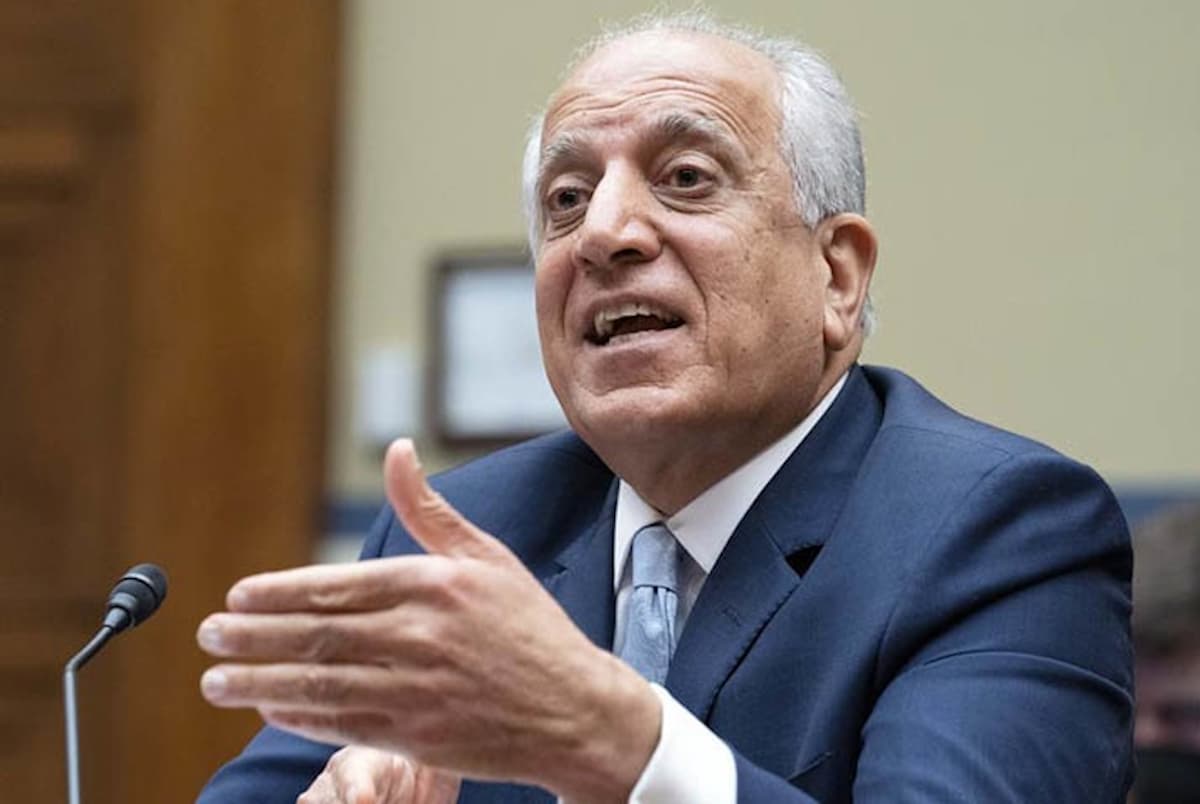
Architect of Botched Doha Agreement Angling for a Comeback
Why It Matters
Khalilzad’s potential comeback spotlights the tangled nexus of U.S. lobbying, foreign policy, and legal accountability, and could reshape Washington’s engagement with a Taliban‑ruled Afghanistan. The legislative push against Taliban‑linked financing underscores growing bipartisan pressure to curb influence of actors tied to the regime.
Key Takeaways
- •Khalilzad designed 2020 Doha Agreement, leading to Taliban takeover
- •He seeks diplomatic role under potential second Trump term
- •Senate advancing No Tax Dollars Act targeting Taliban funds
- •Critics demand ICC prosecution for Khalilzad’s role in Afghanistan collapse
- •Bayat Foundation ties link Khalilzad to Taliban telecom ventures
Pulse Analysis
The 2020 Doha Agreement, negotiated by Zalmay Khalilzad, was intended as a diplomatic exit strategy but instead accelerated the Taliban’s seizure of Kabul and the United States’ chaotic pullout. Analysts view the accord as a case study in how rushed peace deals, lacking robust verification mechanisms, can backfire dramatically. Khalilzad’s reputation has become synonymous with that failure, prompting human‑rights advocates and diaspora groups to call for legal accountability, including possible International Criminal Court investigations.
Khalilzad’s renewed overtures to re‑enter Afghan politics coincide with a broader lobbying effort that leverages his historic connections to the Bayat Foundation and Afghan telecom enterprises that have operated under Taliban auspices since the 1990s. The Senate Foreign Relations Committee’s recent approval of the No Tax Dollars for Terrorists Act reflects bipartisan concern over financial channels that sustain the regime. While former deputy Tom West and other lobbyists have pushed back, the bill now moves toward a full Senate vote, signaling a legislative shift toward tighter sanctions and asset recovery.
The episode underscores a pivotal moment for U.S. foreign policy: balancing pragmatic engagement with a regime that controls most of Afghanistan against the political risk of empowering figures linked to its rise. If Khalilzad secures a diplomatic foothold, it could legitimize Taliban‑aligned business networks and complicate accountability efforts. Conversely, heightened scrutiny and potential prosecution may deter future back‑channel diplomacy, prompting Washington to adopt a more transparent, multilateral approach to Afghan reconstruction and security cooperation.
Architect of botched Doha Agreement angling for a comeback
Comments
Want to join the conversation?
Loading comments...