Are Counter-Drone Systems for Dismounted Troops Emerging as the Next Procurement Battle?
Companies Mentioned
Why It Matters
Dismounted forces are increasingly vulnerable to aerial threats, making portable CUAS a critical capability for future combat effectiveness. The market will see intensified competition as services seek cost‑effective, lightweight solutions.
Key Takeaways
- •Drones threaten infantry, mortar teams, special forces on foot
- •USMC seeks layered CUAS solutions for dismounted operations
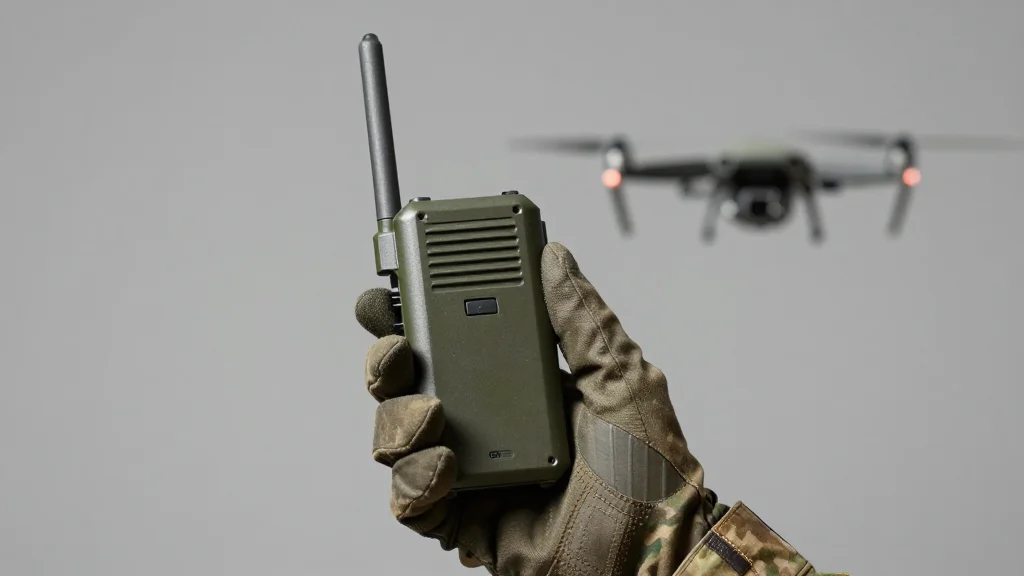
- •L3Harris' Wraith Shield turns radios into drone sensors
- •Procurement battle expected as vendors vie for troop‑focused CUAS
- •Integration challenges include weight, power, and battlefield interoperability
Pulse Analysis
The battlefield is undergoing a rapid transformation as inexpensive commercial drones and loitering munitions become ubiquitous. While traditional air defense has focused on protecting bases and large platforms, the proliferation of hand‑launched quadcopters now endangers soldiers on the ground. Small, low‑observable UAVs can conduct surveillance, deliver explosives, or jam communications, creating a new layer of risk that infantry units must mitigate in real time.
In response, the US Marine Corps is advocating a multi‑tiered CUAS architecture that blends long‑range detection with short‑range, soldier‑carried neutralizers. One notable development is L3Harris' Wraith Shield, which leverages existing radio hardware to act as a passive sensor network, dramatically reducing the logistical footprint. By converting radios into drone‑spotting devices, the system promises rapid deployment without adding dedicated equipment weight, a crucial factor for troops who already carry extensive gear.
The shift toward dismounted CUAS is sparking a procurement showdown among defense contractors. Companies are racing to deliver compact, low‑power solutions that can integrate with existing command‑and‑control frameworks while meeting stringent durability standards. Challenges remain, including ensuring reliable detection in cluttered environments and balancing battery life against sensor performance. As armed services prioritize soldier survivability, the market for portable counter‑drone technology is set to expand, driving innovation and potentially reshaping future infantry tactics.
Are counter-drone systems for dismounted troops emerging as the next procurement battle?
Comments
Want to join the conversation?
Loading comments...