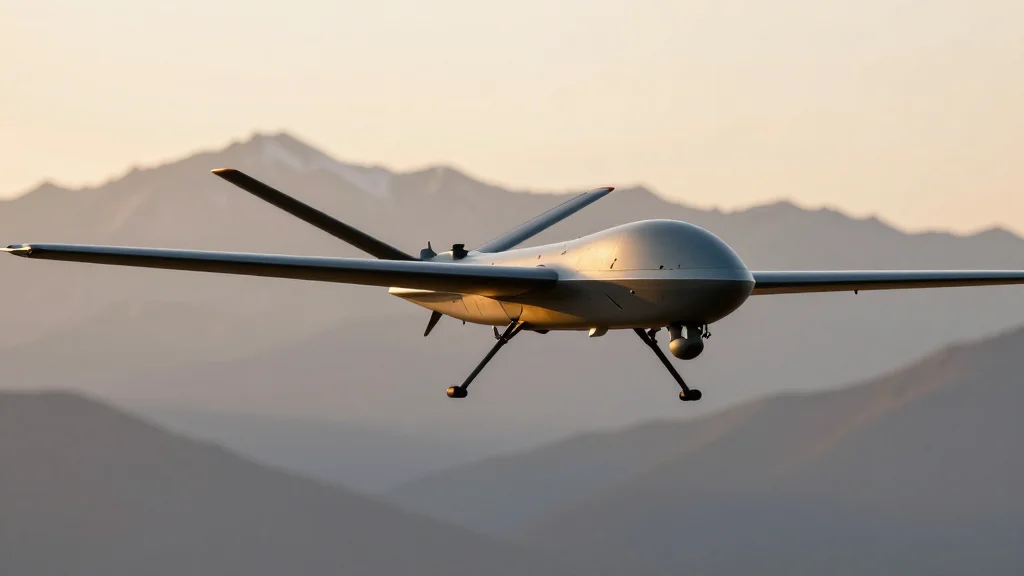
Armenia and Azerbaijan Embrace Peace-Through-Strength Approach
Why It Matters
The high defense outlays underscore the fragility of the cease‑fire and signal that security concerns still dominate regional policy, affecting investment and trade prospects along the emerging Middle Corridor.
Key Takeaways
- •Azerbaijan spent $5 bn on defense in 2025, 6.5% of GDP.
- •Armenia's 2025 defense budget hit $1.7 bn, 6.1% of GDP.
- •Both nations rank 6th and 7th globally in military spending share.
- •Armenia plans 2026 budget cut to $1.47 bn, focusing on modernization.
- •Peace talks depend on June elections and TRIPP Middle Corridor development.
Pulse Analysis
SIPRI’s latest data shows Armenia and Azerbaijan allocating more than six percent of their gross domestic product to defense, placing them just behind Russia and ahead of most Gulf states. Azerbaijan’s $5 billion budget reflects a strategic push after its 2023 reconquest of Nagorno‑Karabakh, while Armenia’s $1.7 billion spend signals a response to its 2020 defeat and a desire to modernize forces. These figures dwarf typical regional spenders and highlight how entrenched security concerns remain despite a provisional peace signed in Washington.
The political calculus in Yerevan adds another layer of complexity. Prime Minister Nikol Pashinyan’s pro‑peace stance is now under electoral scrutiny, with June parliamentary elections poised to determine whether the tentative accord will survive. Opposition parties have publicly opposed the deal, threatening to stall negotiations on the Trump Route for International Peace and Prosperity (TRIPP), a proposed logistics hub linking the South Caucasus to the broader Middle Corridor. Armenia’s decision to reduce its 2026 defense budget to $1.47 billion, earmarking funds for modernization, suggests a compromise between fiscal prudence and maintaining deterrence.
Regional investors are watching closely. Persistent high‑military spending can deter foreign direct investment, yet the promise of a stable trade artery through the Middle Corridor offers significant upside for logistics and energy firms. If the peace process gains momentum, the corridor could channel billions in commerce between Europe and Asia, offsetting some of the economic drag from defense expenditures. Conversely, any resurgence of hostilities would likely inflate budgets further, erode investor confidence, and stall the TRIPP initiative, underscoring the delicate balance between security spending and economic integration.
Armenia and Azerbaijan embrace peace-through-strength approach
Comments
Want to join the conversation?
Loading comments...