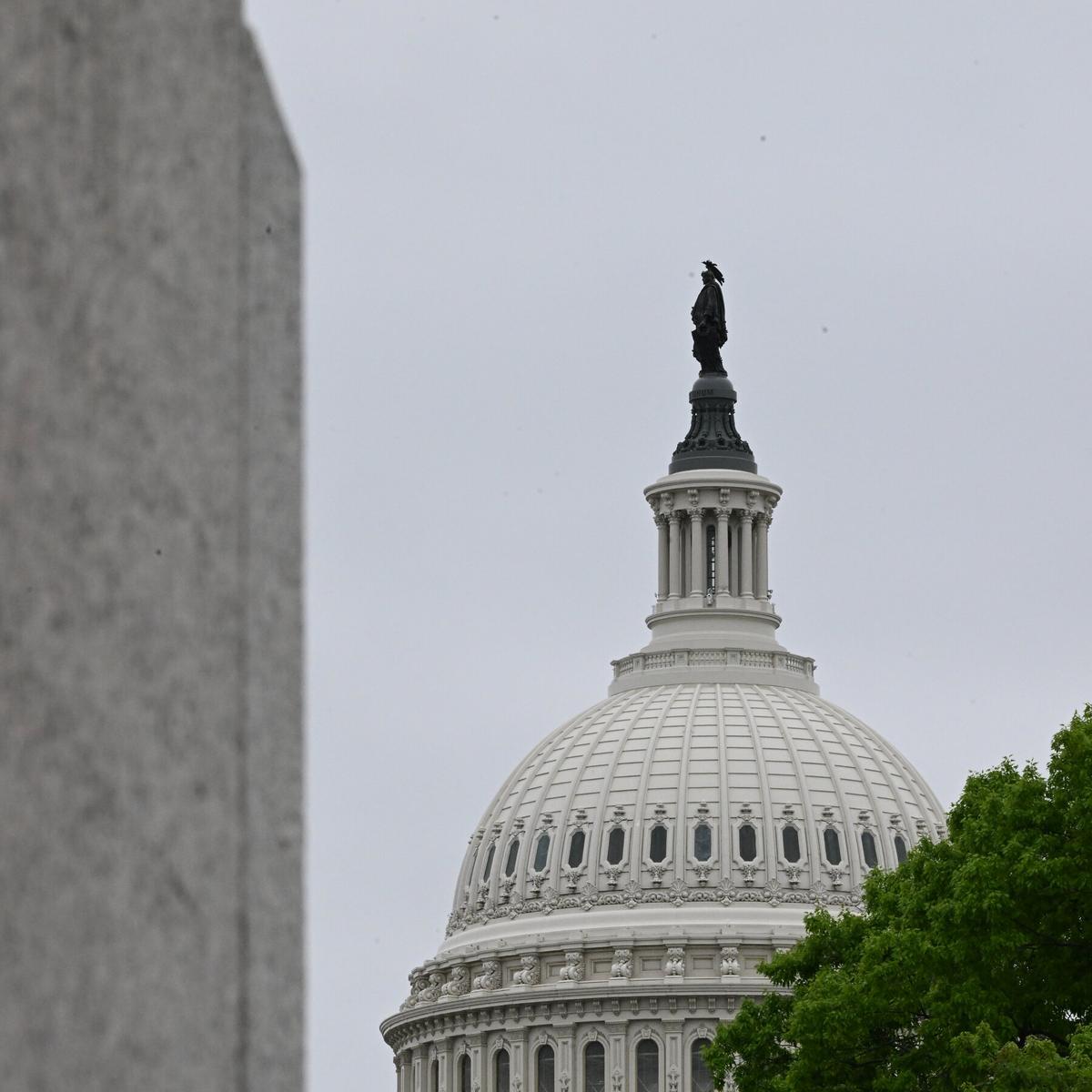
As Iran War Reaches 60-Day Mark, Republicans in Congress Grow Impatient With Trump
Why It Matters
Congressional pressure could force a formal authorization or a withdrawal timetable, reshaping U.S. strategy in the Middle East and influencing the 2026 midterms.
Key Takeaways
- •GOP senators Collins, Murkowski break ranks, demand war vote.
- •War Powers deadline passed; Trump has not sought congressional approval.
- •Conflict costs projected in tens of billions, fueling public backlash.
- •Rising gas prices and consumer costs pressure Republican re‑election prospects.
- •Democrats cite GOP support to argue administration oversteps constitutional limits.
Pulse Analysis
The Iran conflict entered its 60th day amid a complex web of diplomatic maneuvering and battlefield uncertainty. President Trump’s decision to negotiate a cease‑fire has stalled the War Powers clock, allowing the administration to sidestep the constitutional requirement for congressional approval. Yet the operational costs—estimated in the tens of billions of dollars—are mounting, and the public is feeling the impact through higher gasoline prices and pricier consumer goods. This fiscal strain is feeding a growing chorus of criticism from both sides of the aisle.
Within the Republican ranks, the patience that once underpinned unconditional support is eroding. Senators Susan Collins and Lisa Murkowski, traditionally cautious conservatives, have signaled a willingness to break with party leadership to demand a formal vote on the war’s continuation or exit strategy. Their moves reflect a broader concern that the War Powers Resolution deadline has already lapsed without a presidential request, exposing the administration to legal and political challenges. As the 2026 midterm elections loom, GOP members in swing districts are calculating the electoral cost of appearing to endorse an unpopular, costly conflict.
Democrats are seizing the moment to frame the war as a constitutional overreach, arguing that the president’s unilateral actions undermine the separation of powers. If Congress moves to assert its authority—either by authorizing the operation with strict limits or by compelling a withdrawal—it could reset the United States’ strategic posture in the Middle East and signal a return to legislative oversight of foreign engagements. Such a shift would not only affect defense budgeting but also reverberate through markets that react to geopolitical risk, underscoring the intertwined nature of politics, policy, and economic stability.
As Iran War Reaches 60-Day Mark, Republicans in Congress Grow Impatient With Trump
Comments
Want to join the conversation?
Loading comments...