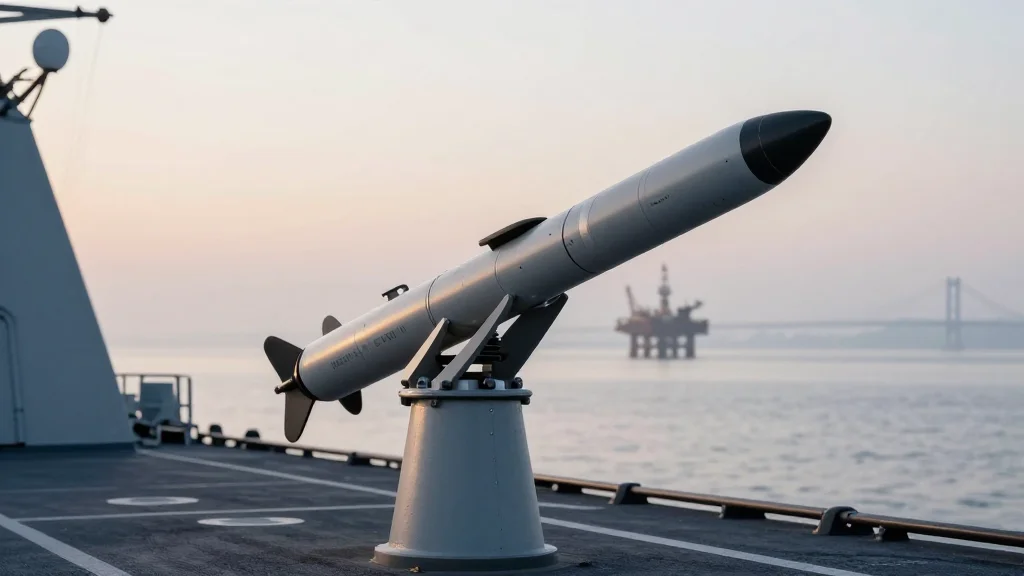
As the World Counts Down to Trump's Iran Deadline, Here's What You Need to Know
Why It Matters
The standoff threatens global energy supplies and could trigger a sharp spike in oil prices, destabilizing economies worldwide. It also tests the limits of U.S. diplomatic leverage and multilateral conflict‑resolution mechanisms.
Key Takeaways
- •Trump set April 7 deadline to force Iran's compliance
- •US and Israel already struck Kharg Island and Iranian infrastructure
- •Iran rejected ceasefire offers, demands reparations, escalates threats
- •Russia and China vetoed UN resolution protecting Hormuz shipping
- •Regional tensions risk global oil market disruption and recession
Pulse Analysis
The latest escalation between Washington and Tehran underscores a shift from diplomatic bargaining to overt coercive threats. By leveraging the strategic choke point of the Strait of Hormuz, President Trump is attempting to force Iran’s hand through a combination of economic pressure and kinetic strikes. The targeting of Kharg Island—responsible for the bulk of Iran’s oil exports—signals a willingness to disrupt global energy flows, a move that could reverberate through futures markets and elevate consumer fuel costs across Europe and Asia.
Beyond the immediate military actions, the diplomatic landscape is fracturing. Russia and China’s joint veto of a United Nations resolution aimed at protecting commercial shipping reveals a deepening rift between the West and key Eurasian powers. Their stance effectively shields Iran from multilateral censure, emboldening Tehran’s hardliners and limiting the United Nations’ capacity to mediate. This geopolitical deadlock complicates any prospect of a negotiated cease‑fire and raises the specter of a protracted conflict that could draw in regional allies.
The ripple effects extend to economies far beyond the Middle East. Analysts warn that sustained disruption of Hormuz traffic could trigger a supply shock, pushing Brent crude above $120 per barrel and straining inflation‑sensitive markets such as Australia. Central banks may face heightened pressure to tighten monetary policy, increasing the risk of recession in export‑dependent nations. In this volatile environment, businesses and investors are closely monitoring diplomatic overtures, military developments, and energy price trajectories to gauge the next wave of market volatility.
As the world counts down to Trump's Iran deadline, here's what you need to know
Comments
Want to join the conversation?
Loading comments...