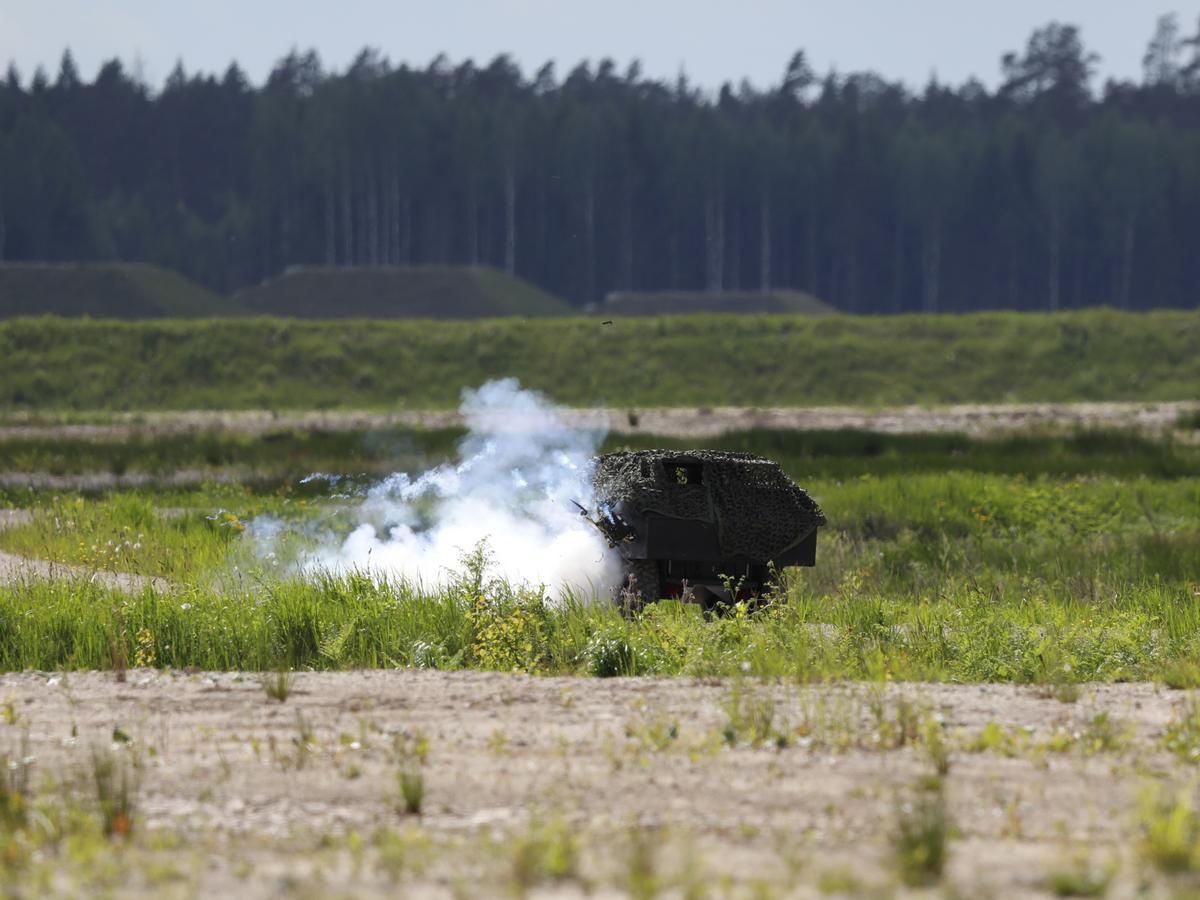
At a NATO Range in Latvia, Hits and Misses Mark Europe’s Counter-Drone Journey
Companies Mentioned

PitchBook
Why It Matters
Reliable, affordable C‑UAS capabilities are critical for NATO’s eastern flank, where cheap hostile drones threaten both military assets and civilian infrastructure. Demonstrated successes and cost pressures will shape future procurement and investment in the European defense ecosystem.
Key Takeaways
- •European startups showcased autonomous and jet‑powered drone interceptors at Sēlija
- •Interceptor costs must drop below $30,000 per engagement, analysts say
- •Latvia deploys mobile interceptor teams on Russian border with Origin Robotics
- •NATO’s new innovation ranges aim to fast‑track C‑UAS testing and adoption
- •Demonstrations revealed mixed success: hits, misses, and weather‑related challenges
Pulse Analysis
The surge in low‑cost attack drones—from Russian Shahed models to Iranian loitering munitions—has created a stark cost‑exchange dilemma for NATO. While a single hostile UAV can be purchased for as little as $15,000, traditional interceptors often cost millions per shot, straining defense budgets and prompting a scramble for cheaper, disposable solutions. Analysts now argue that viable C‑UAS systems must engage threats for under $30,000, a threshold that could unlock broader adoption across allied forces.
Latvia’s Sēlija testing range became a proving ground for that new generation of counter‑drone tech. Startups such as Origin Robotics, Nordic Air Defence, Eraser, RDC Systems and JetDrones displayed a mix of autonomous quad‑rotor interceptors, carbon‑fiber drones launched from motherships, and jet‑powered platforms capable of reaching 450 km/h. While some systems, like the Blaze interceptor, achieved clean kills, others required multiple attempts, and adverse weather occasionally hampered visual detection. The demonstrations highlighted both the promise of rapid‑response, low‑cost drones and the operational challenges of reliability under real‑world conditions.
For NATO, the implications are twofold. First, the ability to test and certify these systems at dedicated innovation ranges reduces procurement risk, allowing allies to field proven technology faster. Second, the market signals a shift toward modular, disposable interceptors that can be mass‑produced at a fraction of legacy missile costs. As Latvia expands Sēlija’s capacity and partners with the Netherlands and other NATO members, the alliance is poised to accelerate the integration of affordable C‑UAS solutions, strengthening collective defense against an evolving drone threat landscape.
At a NATO range in Latvia, hits and misses mark Europe’s counter-drone journey
Comments
Want to join the conversation?
Loading comments...