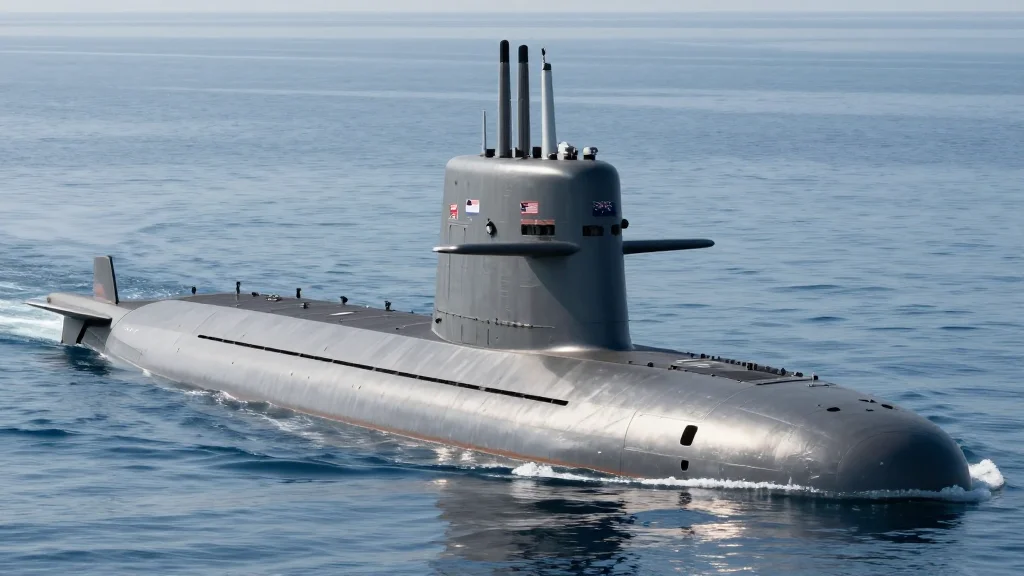
AUKUS May Slim Down British SSN Workforce in the Coming Years
Why It Matters
A shrinking SSN workforce could weaken the UK’s conventional submarine expertise while reshaping defence procurement and employment in the maritime sector. The change underscores how multinational security arrangements directly influence national industrial bases.
Key Takeaways
- •AUKUS partnership could cut UK SSN personnel by up to 30%.
- •British SSN program faces reduced staffing as Australia builds its own fleet.
- •Potential workforce reduction may affect BAE Systems' submarine contracts.
- •UK may shift focus toward nuclear-powered submarine development.
- •Defense budget reallocations could mitigate job losses in the sector.
Pulse Analysis
The AUKUS alliance, launched in 2021, represents a deepening defence collaboration among Australia, the United Kingdom and the United States. Central to the pact is the development of a new class of conventionally armed, nuclear‑powered submarines (SSNs) that will bolster regional security in the Indo‑Pacific. While the partnership promises advanced capabilities, it also introduces overlapping competencies that force each member to rationalise its own submarine programmes. For Britain, this means revisiting the long‑standing SSN project that has underpinned its surface‑fleet strategy for decades.
Industry analysts warn that the AUKUS framework could trigger a contraction of the British SSN workforce by as much as 30 percent. The primary driver is Australia’s decision to construct its own SSN fleet, reducing the need for UK‑based design and support services. Companies such as BAE Systems, which have historically secured substantial contracts for SSN construction and maintenance, may see a dip in order flow. The potential job cuts extend beyond shipyards to engineering, logistics and supply‑chain roles, prompting calls for workforce retraining and redeployment toward the UK’s nuclear‑powered submarine initiatives.
The broader implications for the defence sector are significant. A leaner SSN workforce could accelerate the United Kingdom’s pivot to next‑generation nuclear submarines, aligning with its strategic goal of maintaining a credible deterrent. However, policymakers must balance cost savings with the risk of eroding specialised skills that are hard to replace. Strategic investment in training programmes and diversification of defence contracts could mitigate employment impacts while ensuring the UK retains a robust maritime industrial base capable of supporting both conventional and nuclear submarine fleets.
AUKUS may slim down British SSN workforce in the coming years
Comments
Want to join the conversation?
Loading comments...