AUKUS Plan B? Japan’s Submarines Stopgap Gains Traction
Why It Matters
Extending the Collins fleet buys Australia time but underscores vulnerability in the AUKUS schedule, potentially reshaping regional naval balances if diesel‑electric subs become the interim backbone.
Key Takeaways
- •Australia starts Collins-class life extension to keep subs operational until 2030s
- •Japan's new export policy enables diesel‑electric subs as AUKUS backup
- •US shipyards must double Virginia‑class output to meet AUKUS schedule
- •Delays could force Canberra to rely on foreign diesel‑electric platforms
- •Early 2030s remains critical window for nuclear‑submarine delivery
Pulse Analysis
The AUKUS partnership between Australia, the United Kingdom and the United States hinges on a three‑step roadmap: extending the Collins‑class diesel‑electric fleet, accelerating U.S. production of Virginia‑class nuclear submarines, and co‑designing a brand‑new nuclear platform by decade’s end. Each pillar carries significant risk. The Collins Life‑of‑Type Extension, announced on 19 May 2026, adopts a pragmatic “repair‑only‑where‑critical” approach, allowing the existing fleet to remain operational into the early 2030s while the nuclear programme matures. However, any delay in U.S. shipyard capacity or design milestones could create a capability gap.
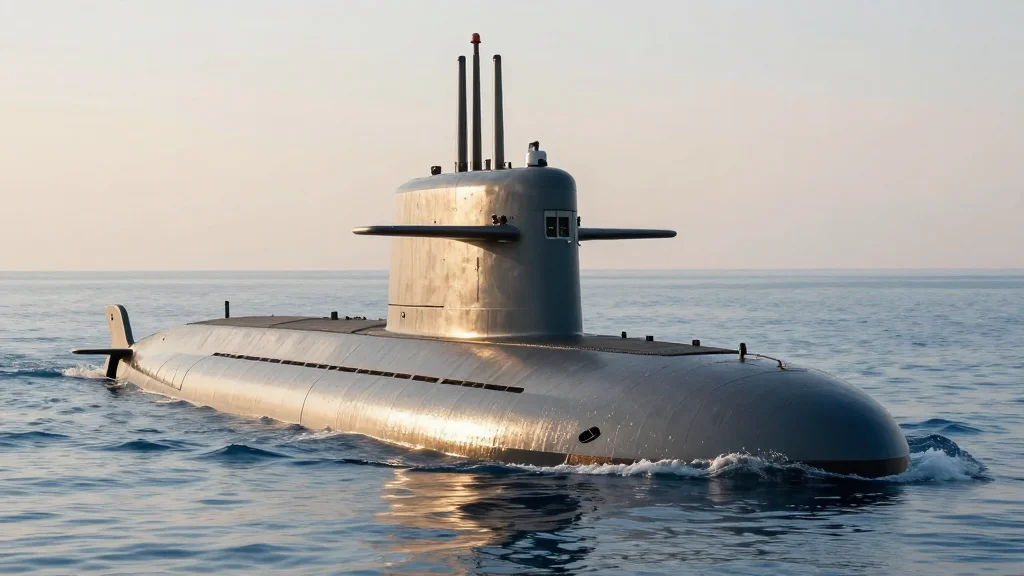
Japan’s historic reluctance to export combat submarines has softened, with the government now permitting sales of advanced diesel‑electric models such as the Sōryū and Taigei classes. For Australia, Japanese platforms offer a proven, low‑observable alternative that can be delivered faster than a home‑grown nuclear design. The strategic calculus involves balancing the lower acoustic signature and endurance of diesel‑electric boats against the long‑term power projection benefits of nuclear submarines. Moreover, integrating Japanese subs would deepen defence ties with a key Indo‑Pacific ally, reinforcing supply‑chain resilience amid rising Chinese naval activity.
If the Collins LOTE falters or U.S. production stalls, Canberra may adopt a hybrid fleet: modernized diesel‑electric submarines supplemented by a limited number of early‑delivery Virginia‑class units. Such a stopgap would preserve Australia’s under‑sea deterrent while buying time for the ambitious nuclear project. The decision will shape regional security dynamics, influencing not only AUKUS cohesion but also the broader balance of naval power in the South China Sea and beyond.
AUKUS plan B? Japan’s submarines stopgap gains traction
Comments
Want to join the conversation?
Loading comments...