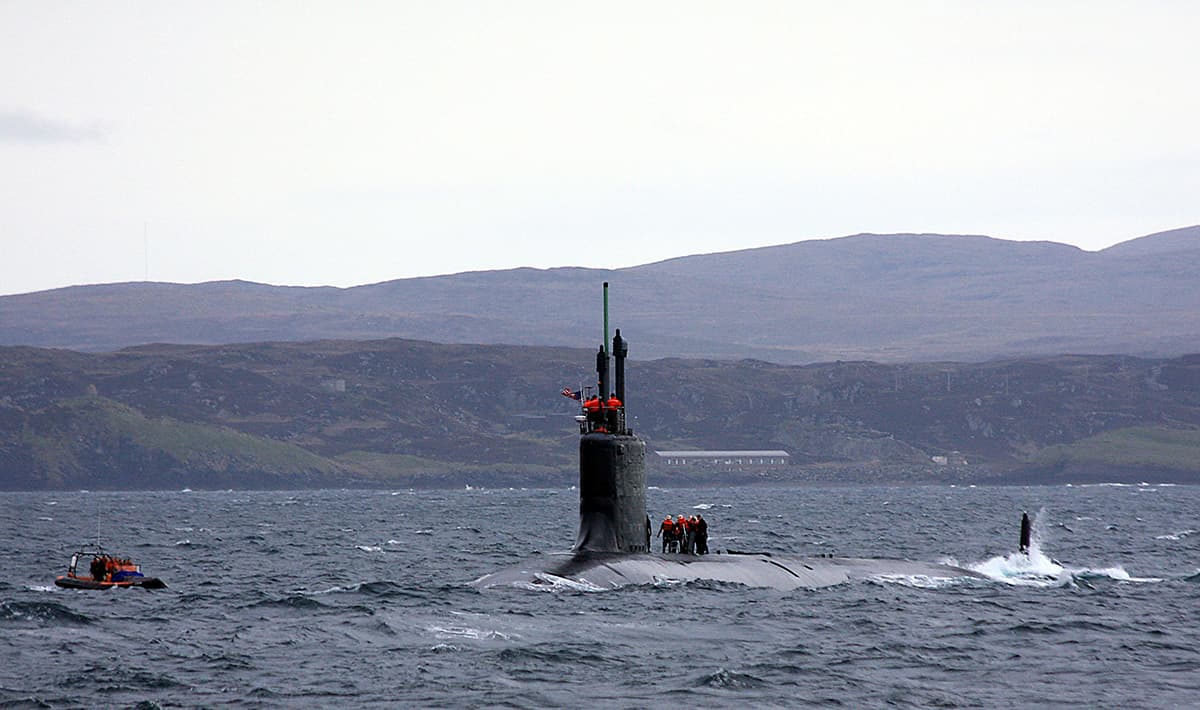
Australia Now to Get In-Service Virginia Class Subs
Key Takeaways
- •Australia will receive three already‑operational US Virginia‑class submarines
- •Mixed‑variant plan dropped to simplify logistics and cut costs
- •US shipyards relieved as no new builds required for early transfers
- •Submarine Rotational Force‑West to be based at HMAS Stirling by 2027
- •UK commits $7.6bn to next‑gen SSN‑AUKUS design, slated for late 2030s
Pulse Analysis
The AUKUS Pillar 1 framework, unveiled in 2023, originally envisioned a blended delivery of existing and newly built Virginia‑class submarines to Australia in the early 2030s. By opting for three in‑service boats, the partners eliminate the need for new construction slots, simplifying logistics and delivering immediate capability. This adjustment also reflects a pragmatic response to chronic bottlenecks at US shipyards, which have struggled to keep pace with the Virginia‑class production schedule, thereby preserving the broader U.S. naval modernization agenda.
From a strategic perspective, the streamlined acquisition accelerates Australia’s transition to a sovereign nuclear‑powered submarine force, a cornerstone of its maritime defence posture in the Indo‑Pacific. The establishment of Submarine Rotational Force‑West at HMAS Stirling by 2027 creates a permanent U.S. naval presence, enhancing interoperability and deterrence against regional threats. For the United Kingdom, the commitment of roughly $7.6 billion to the SSN‑AUKUS next‑generation attack submarine underscores a long‑term investment in shared technology and industrial bases, positioning the trio as a cohesive maritime coalition.
The financial commitments accompanying the deal are equally significant. Australia is earmarking about $5.3 billion for infrastructure at HMAS Stirling, $2.6 billion for a new submarine construction yard in South Australia, and $7.9 billion for the Henderson Defence Precinct, ensuring robust support for both current and future platforms. These investments, combined with the expanded licence‑free technology environment, signal a deepening of defence industry collaboration that could reshape supply chains and spur innovation across the three nations. The move not only strengthens collective security but also creates a competitive edge for allied shipbuilders in a market dominated by traditional powers.
Australia now to get in-service Virginia class subs
Comments
Want to join the conversation?