Australia’s Revised Defence Investment Plan: What It Means for Naval Warfare
Why It Matters
The massive funding reshapes Australia’s naval capabilities, bolstering its deterrence in the Indo‑Pacific and deepening ties with allies like the UK and the US.
Key Takeaways
- •Australia earmarks A$130 bn (≈US$96 bn) for under‑sea warfare.
- •Nuclear‑powered submarines and autonomous platforms central to new fleet.
- •Total defence investment reaches A$425 bn (≈US$305 bn) by 2035‑36.
- •Spending as GDP share climbs to 3% by 2033.
Pulse Analysis
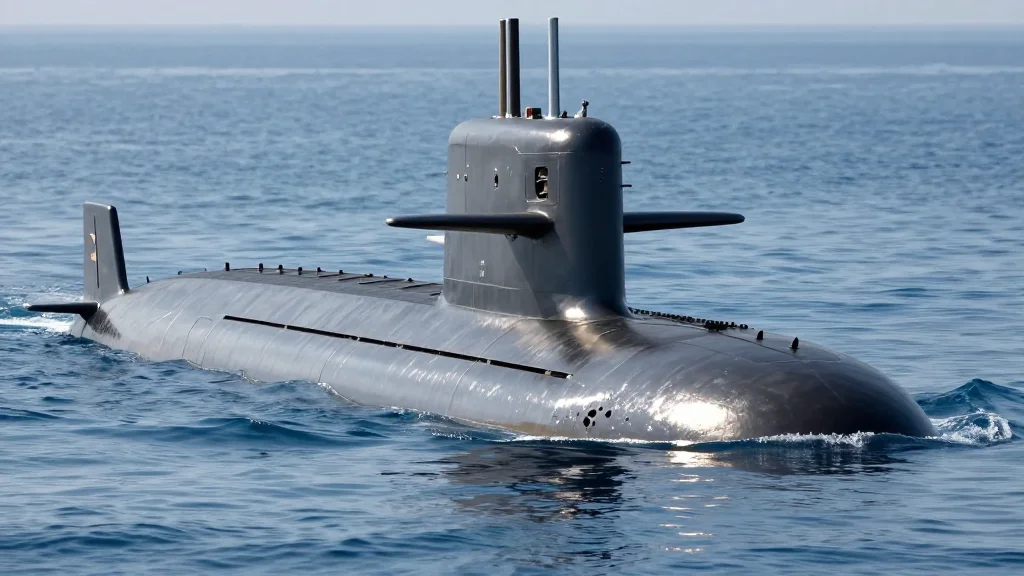
Australia’s revised defence investment plan marks a decisive pivot toward a high‑tech navy capable of operating in contested waters. By earmarking roughly A$130 billion for under‑sea warfare, the government signals a commitment to nuclear‑propulsion submarines under the AUKUS partnership, while also funding autonomous surface and underwater platforms. This infusion of capital aligns with broader Indo‑Pacific security concerns, where great‑power competition is intensifying and maritime dominance is increasingly contested by advanced sensor and unmanned systems.
The strategic emphasis on nuclear‑powered submarines and autonomous vessels reshapes the Royal Australian Navy’s operational doctrine. Submarines with virtually unlimited endurance will extend Australia’s strike reach, while unmanned platforms provide persistent surveillance and force multiplication at lower risk. Coupled with an expanded surface‑combatant fleet, these capabilities enhance deterrence against regional threats and improve interoperability with allied navies, particularly the United Kingdom, which has already begun port visits under the Optimal Pathway. The move also positions Australia as a key node in allied maritime networks, supporting joint exercises and intelligence sharing.
Beyond the military dimension, the investment drives domestic industrial growth and raises defence spending to 3% of GDP by 2033, one of the highest levels among OECD nations. The program fuels shipbuilding, aerospace, and technology sectors, creating jobs and fostering a skilled workforce. By locking in long‑term funding through 2035‑36, Australia ensures a stable pipeline for research, development, and procurement, reducing reliance on ad‑hoc budgeting. This comprehensive approach not only strengthens national security but also underpins economic resilience in a region where strategic uncertainty is the new normal.
Australia’s revised defence investment plan: what it means for naval warfare
Comments
Want to join the conversation?
Loading comments...