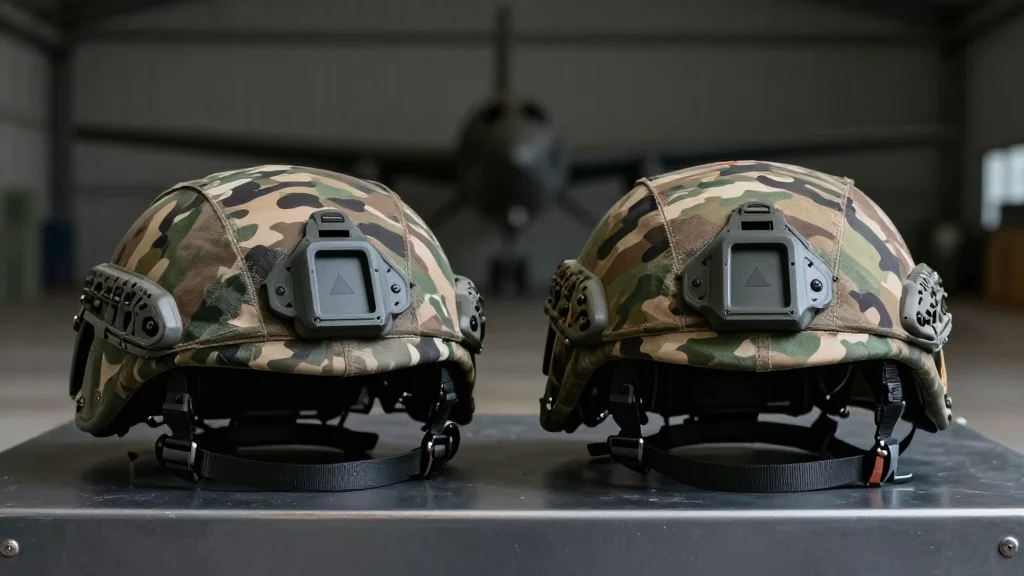
Azerbaijan and Turkey Sign Defense Industry MoU Amid Regional Tensions

Why It Matters
The Azerbaijan‑Turkey defense MoU signals a deepening of military-industrial ties between two strategically aligned nations, potentially shifting regional power dynamics. By coordinating production and technology sharing, both countries aim to enhance their deterrence capabilities amid ongoing territorial disputes and broader great‑power competition. For the defense market, the agreement opens new avenues for domestic firms and may attract foreign investors looking to tap into the Caucasus and Black Sea corridors. It also highlights a growing preference for regional self‑sufficiency, which could reshape procurement patterns and influence the strategic calculations of neighboring states and external powers.
Key Takeaways
- •Azerbaijan and Turkey signed a defense‑industry MoU on April 3, 2026
- •Agreement aims to boost joint production, R&D and technology transfer in weapons systems
- •No financial terms or project timelines were disclosed
- •MoU reflects broader regional security concerns, including tensions over Nagorno‑Karabakh
- •Potential to influence maritime security considerations around the Strait of Hormuz
Pulse Analysis
The MoU between Azerbaijan and Turkey is more than a symbolic gesture; it reflects a pragmatic response to the constraints imposed by sanctions, supply‑chain disruptions and the need for rapid capability development. By pooling resources, both nations can accelerate the fielding of next‑generation platforms, such as drones and precision‑guided munitions, without waiting for Western approvals or export licenses.
Historically, Turkey has leveraged its defense industry to project influence across the Middle East and the Balkans. Partnering with Azerbaijan, a key energy exporter and a frontline state in the South Caucasus, extends that reach into the Caspian region, where Russia and Iran have traditionally held sway. This alignment may prompt neighboring states to reconsider their own defense procurement strategies, potentially sparking a wave of bilateral agreements aimed at counterbalancing Turkish‑Azerbaijani cooperation.
Looking ahead, the success of the MoU will hinge on concrete project launches and the ability to integrate disparate industrial standards. If the partnership yields tangible platforms within the next two years, it could set a precedent for other regional actors to pursue similar defense‑industrial collaborations, reshaping the competitive landscape and influencing the strategic calculus of global powers with interests in Eurasia.
Azerbaijan and Turkey Sign Defense Industry MoU Amid Regional Tensions
Comments
Want to join the conversation?
Loading comments...