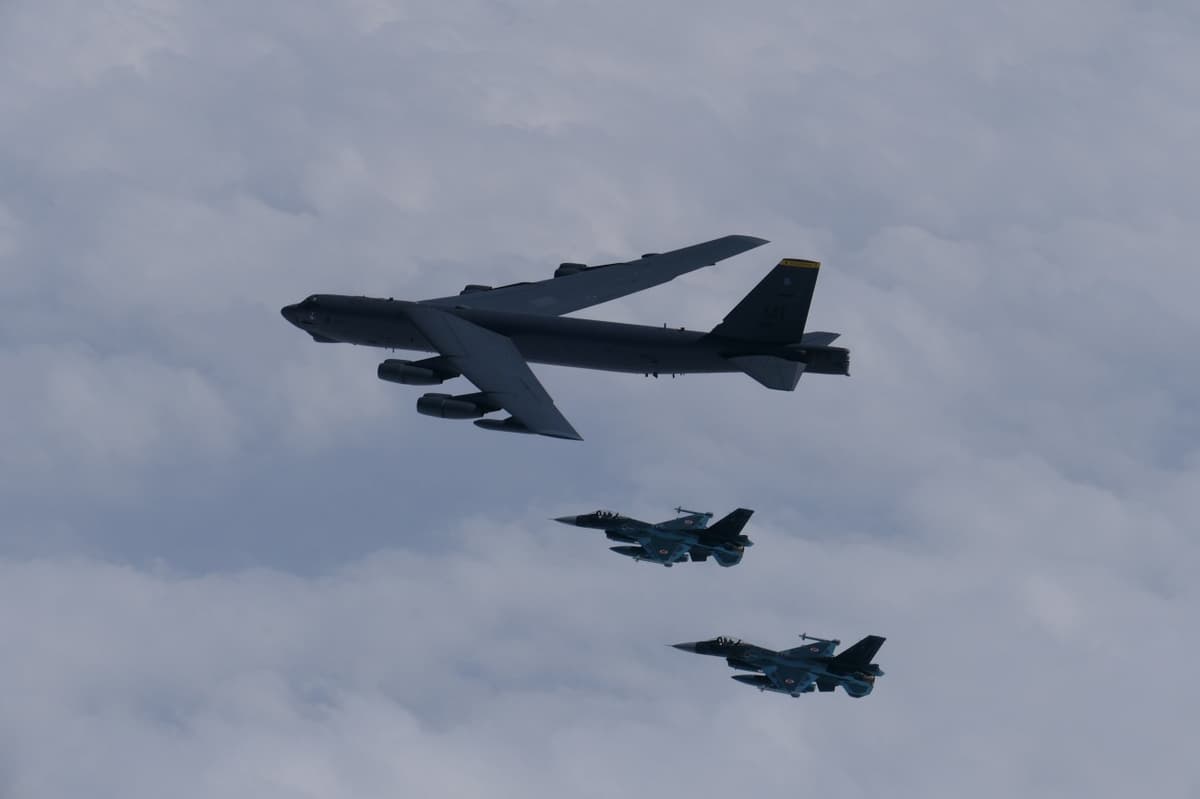
B-52 Bomber Crash: Eight Killed as U.S. B-52 Stratofortress Crashes in California Right After Takeoff
Companies Mentioned
Why It Matters
The loss of eight skilled personnel and the interruption of the B‑52 Radar Modernization Program highlight safety challenges for aging strategic bombers, potentially influencing defense procurement and oversight decisions.
Key Takeaways
- •Eight killed in B-52 crash during radar modernization test
- •Crash occurred shortly after takeoff from Edwards AFB, Mojave Desert
- •Crew included military, civilian, and contractor personnel
- •Boeing confirmed two employee fatalities among the eight
- •Edwards base airfield closed; inbound flights diverted
Pulse Analysis
The B‑52 Stratofortress, a six‑engine, long‑range bomber first flown in 1954, remains a cornerstone of U.S. strategic airpower. Despite its age, the platform has been continuously upgraded, most recently under the Radar Modernization Program that replaces legacy antennae with digital, active electronically scanned arrays. These upgrades aim to extend the aircraft’s relevance against peer competitors and to integrate modern sensor‑fusion capabilities. The aircraft’s 8,800‑mile combat radius and ability to carry nuclear or conventional payloads keep it central to deterrence and power‑projection strategies.
On June 15, 2026, a B‑52 assigned to the radar‑upgrade test sortie crashed moments after departing Edwards Air Force Base, killing all eight aboard—a mix of Air Force crew, civilian staff and Boeing contractors. Preliminary statements from the 412th Test Wing described the event as “unsurvivable,” and emergency responders confirmed the wreckage was contained within the base perimeter. The loss halts the immediate test schedule and triggers a full accident investigation by the Air Force Safety Center, which will examine flight‑data recorders, maintenance logs, and possible system failures that could affect the broader modernization effort.
The tragedy reverberates beyond the immediate loss of life, raising questions about the sustainability of operating aircraft that are over seven decades old. Boeing, the primary manufacturer, faces scrutiny over its oversight of contractor personnel and the integration of new avionics into legacy airframes. Congressional committees may intensify oversight of the B‑52 fleet’s aging components, potentially accelerating funding for replacement platforms such as the B‑21 Raider. Meanwhile, the Air Force will likely tighten test‑flight protocols to mitigate risk while preserving the strategic value of the iconic bomber.
B-52 Bomber Crash: Eight Killed as U.S. B-52 Stratofortress Crashes in California Right After Takeoff
Comments
Want to join the conversation?
Loading comments...