Bahrain, Which Hosts the U.S. Navy’s Mideast HQ, Arrests Dozens with Alleged Links to Iran’s Revolutionary Guard
Why It Matters
The arrests highlight how the Iran‑U.S. naval standoff is spilling into Bahrain’s domestic security landscape, potentially tightening U.S. operational freedom while inflaming regional tensions.
Key Takeaways
- •Bahrain detained 41 suspects tied to Iran's Revolutionary Guard
- •Arrests occur amid US strikes on two Iranian oil tankers
- •Bahrain's Sunni monarchy faces criticism for using war to suppress dissent
- •Iran warned Bahrain of severe consequences for supporting US actions
- •UK and France ready naval assets to protect Hormuz post‑conflict
Pulse Analysis
Bahrain’s strategic importance stems from hosting the U.S. Fifth Fleet, the nerve center of American naval power in the Middle East. The recent roundup of 41 alleged IRGC affiliates reflects a broader pattern where the kingdom leverages the Iran‑U.S. conflict to justify internal security crackdowns. While officials cite national security, human‑rights groups argue the arrests target political dissent, exploiting the heightened war rhetoric to consolidate the Sunni monarchy’s control over a majority‑Shiite population.
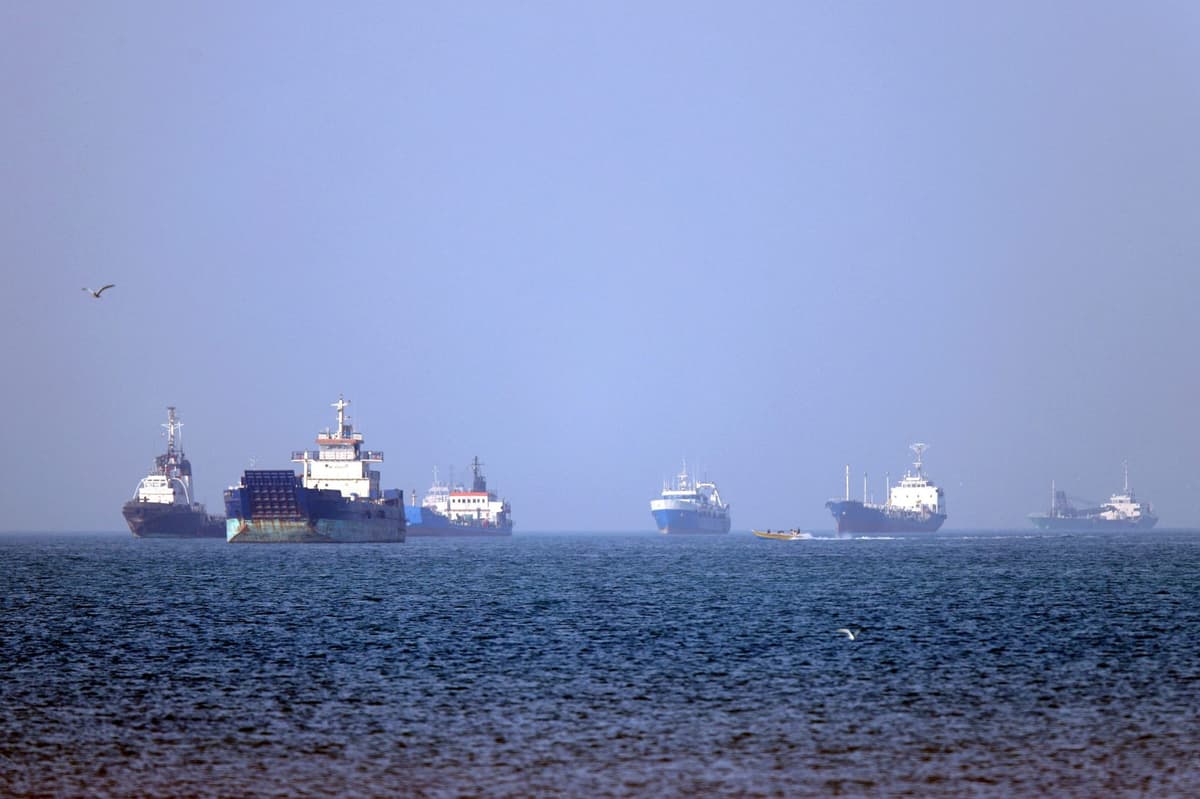
The maritime dimension of the crisis remains volatile. U.S. forces have intercepted two Iranian tankers attempting to breach a self‑imposed blockade, signaling a willingness to enforce maritime restrictions beyond the immediate combat zone. These actions threaten the free flow of oil through the Strait of Hormuz, a chokepoint that moves roughly 20% of global petroleum supplies. Any disruption can trigger spikes in fuel prices worldwide, as seen after the February 28 war onset, and intensify market volatility. Iran’s retaliatory warnings to Bahrain underscore the strategic calculus of threatening to close the strait, a move that would have immediate economic repercussions for global trade.
Diplomatic overtures continue despite the military posturing. Britain’s HMS Dragon and France’s carrier strike group are positioning assets to safeguard commercial shipping once a sustainable ceasefire is achieved. Parallel efforts by Pakistan, Russia, Saudi Arabia, Egypt, and Qatar aim to broker a long‑term agreement that restores navigation freedom. The convergence of military deterrence and multilateral diplomacy suggests that the region’s stability will hinge on coordinated security guarantees and a credible pathway to de‑escalation, with Bahrain’s internal policies playing a pivotal role in shaping the outcome.
Bahrain, which hosts the U.S. Navy’s Mideast HQ, arrests dozens with alleged links to Iran’s Revolutionary Guard
Comments
Want to join the conversation?
Loading comments...