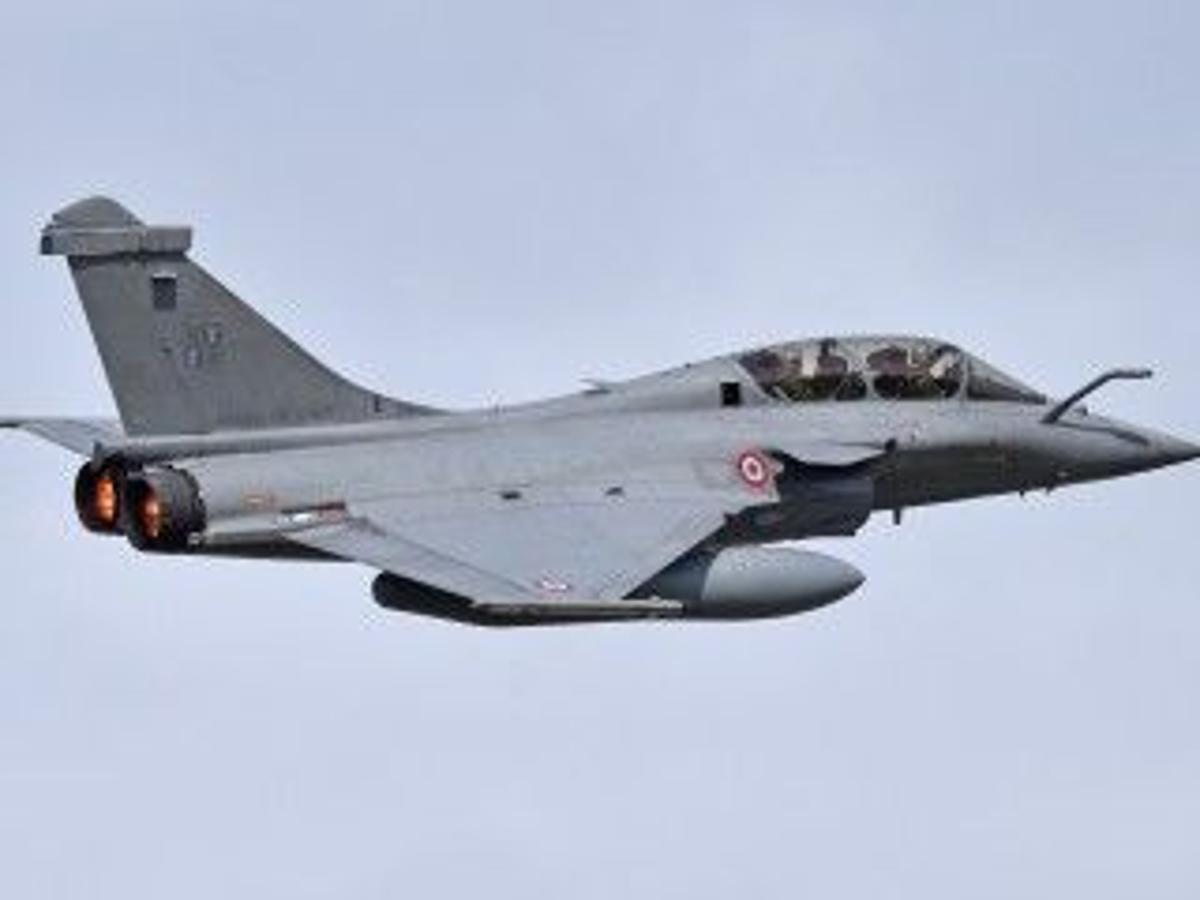
Baltic Security: NATO Jet Intercepts Drone over Latvia
Why It Matters
The event demonstrates NATO’s active defense of the Baltic airspace and highlights the emerging threat posed by stray drones from the Ukraine‑Russia war, prompting a reassessment of regional air‑defence postures.
Key Takeaways
- •French Rafale downed UAV over eastern Latvia, first NATO shoot‑down there
- •Incident part of NATO Baltic Air Policing, operating from Lithuania base
- •Latvia will add detection units to eastern border after recurring drone alerts
- •Similar drone shoot‑down occurred over Estonia in May 2025
- •Drone incursions linked to Ukrainian operations and Russian air defenses
Pulse Analysis
The Baltic Air Policing mission, launched in 2004, remains NATO’s frontline guarantee of air sovereignty for Estonia, Latvia and Lithuania. Rotating fighter squadrons from member states operate out of bases in Poland, Germany and the Baltic states, conducting continuous patrols over a region that borders Russia’s Kaliningrad enclave and the contested Black Sea theater. While the participating aircraft are primarily tasked with intercepting hostile aircraft, they have increasingly been called upon to address low‑altitude unmanned systems that threaten civilian airspace and critical infrastructure.
On 26 February 2026 a French Rafale, deployed from a Lithuanian airfield, intercepted and shot down an unidentified drone over eastern Latvia. This marks the first time a NATO‑allied jet has engaged a UAV within Latvian airspace, echoing a similar interception over Estonia in May 2025. Analysts trace many of these incursions to Ukrainian drones that veer off course after encountering Russian air defenses, creating a spill‑over risk for neighboring NATO members. The incident prompted local authorities to issue indoor safety warnings and accelerate deployment of additional radar and electronic‑search units along the border.
The successful shoot‑down underscores NATO’s readiness to defend the alliance’s eastern flank, but it also highlights a growing tactical challenge: distinguishing hostile drones from civilian traffic in congested airspace. In response, Baltic states are budgeting for enhanced detection networks, faster data links, and rapid‑response interceptor slots. For NATO, the episode may accelerate discussions on integrating dedicated counter‑UAV assets into the Air Policing roster, ensuring that future missions can neutralize small, agile threats without escalating to broader air combat. The development signals a shift toward layered, technology‑driven air defence in the region.
Baltic security: NATO jet intercepts drone over Latvia
Comments
Want to join the conversation?
Loading comments...