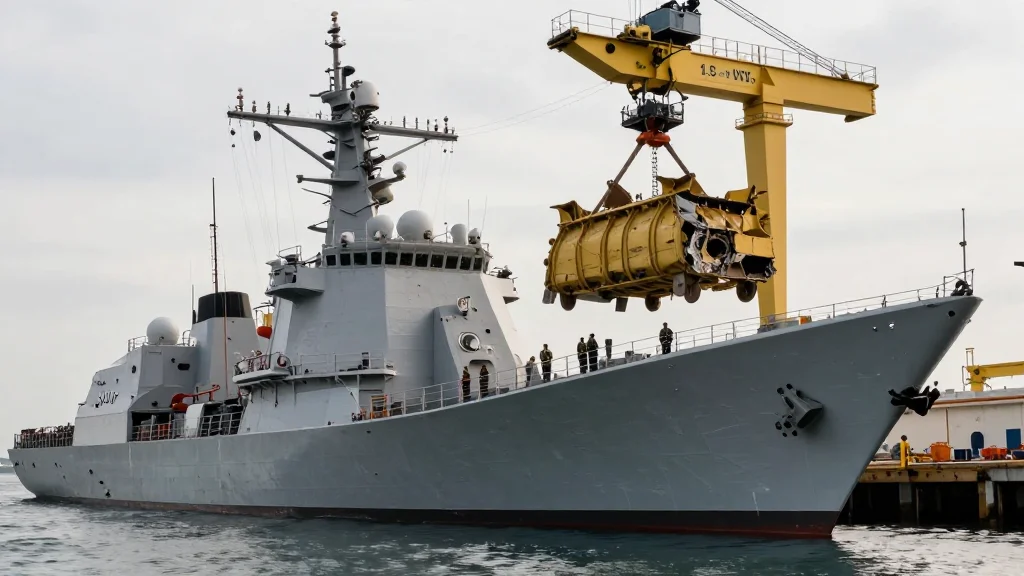
Battle Damage Repair for Arleigh Burke–Class Destroyers
Why It Matters
Ensuring rapid repair of DDG‑51s preserves naval power projection in the Indo‑Pacific, directly affecting deterrence and alliance credibility. The findings shape future investment in repair infrastructure and multinational coordination.
Key Takeaways
- •Exercise revealed limited forward-deployed repair capacity for DDG‑51s
- •Allied shipyards identified as critical surge nodes
- •C2 fragmentation could delay damage control response
- •Logistics bottlenecks in spare parts highlighted
- •Recommendations include prepositioned repair kits and joint training
Pulse Analysis
The Arleigh Burke‑class destroyer is the backbone of U.S. surface warfare, and its survivability under fire is a strategic priority. The recent tabletop exercise highlighted a stark gap between current forward‑deployed repair capabilities and the projected surge demand of a large‑scale Indo‑Pacific conflict. By simulating realistic damage scenarios, planners identified that existing shipyard capacity in the region would be quickly overwhelmed, forcing the Navy to rely on a patchwork of allied facilities and ad‑hoc solutions. This insight underscores the urgency of expanding modular repair units that can operate close to the front lines, reducing the time ships spend out of action.
A second critical finding concerns command‑and‑control (C2) architecture. The exercise showed that fragmented authority among U.S. and partner forces could create decision‑making delays, especially when rapid damage control is required. Streamlining C2 through joint task forces and pre‑agreed protocols would enable faster allocation of resources and clearer lines of responsibility. Moreover, integrating allied shipyards into a coordinated repair network not only multiplies capacity but also reinforces interoperability, a key factor in coalition warfare.
Finally, logistics emerged as a bottleneck, with spare parts, specialized tools, and trained personnel in short supply during the simulated crises. The report recommends prepositioning repair kits, establishing forward logistics hubs, and conducting regular multinational training exercises to maintain a ready pool of technicians. These steps would not only accelerate ship turnaround but also signal to potential adversaries that the U.S. and its partners can sustain combat operations despite sustained damage, bolstering deterrence across the Pacific theater.
Battle Damage Repair for Arleigh Burke–Class Destroyers
Comments
Want to join the conversation?
Loading comments...