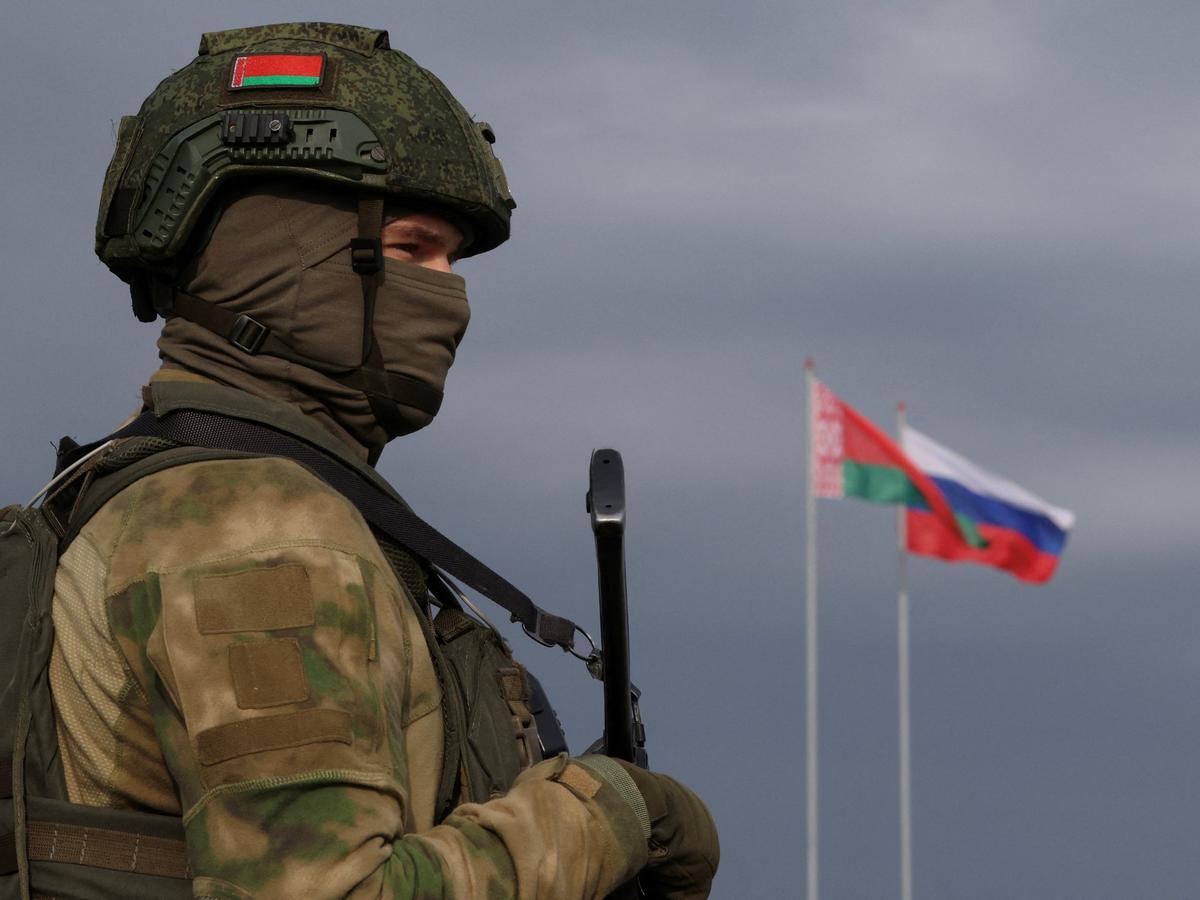
Belarus Dismisses Concerns as It Launches Joint Nuclear Drills with Russia
Why It Matters
The drills place nuclear capabilities closer to NATO members, raising strategic tension and complicating diplomatic efforts to contain the Russia‑Ukraine conflict.
Key Takeaways
- •Belarus and Russia begin joint nuclear weapons combat drills
- •Ukraine and NATO condemn drills as escalation near NATO borders
- •Belarus hosts Russian tactical nukes, deepening dependence on Moscow
- •Belarus seeks sanctions relief while intensifying military cooperation with Russia
Pulse Analysis
Belarus’s decision to host joint nuclear combat drills with Russia marks a stark escalation in the post‑Cold War security architecture of Eastern Europe. Since President Alexander Lukashenko invited Russian tactical nuclear weapons onto Belarusian territory in 2022, the country has become a de‑facto forward base for Moscow’s short‑range arsenal. The newly announced exercises, framed by Minsk as “readiness tests” in unprepared areas, aim to validate command‑and‑control procedures and strike planning from locations that lack permanent infrastructure. This operational rehearsal signals that both capitals view Belarus as a viable staging ground for rapid nuclear deployment, should geopolitical calculations demand it.
The drills have triggered swift condemnation from Kyiv and NATO, who argue that positioning nuclear capabilities within striking distance of the alliance undermines the global non‑proliferation regime. Analysts warn that even limited tactical use could lower the threshold for nuclear escalation, blurring the line between conventional and nuclear conflict in the region. The exercises also complicate diplomatic channels, as Western states consider tightening sanctions on both Moscow and Minsk. For NATO, the proximity of nuclear drills to the Baltic states and Poland forces a reassessment of deterrence postures and forward‑deployed forces.
Beyond the military dimension, Belarus is leveraging the partnership to extract economic and political concessions from the West. Facing crippling sanctions, Lukashenko has signaled a willingness to soften ties with the United States in exchange for relief, while simultaneously deepening military integration with Russia. The dual strategy reflects a precarious balancing act: seeking sanctions mitigation without alienating its primary security guarantor. Observers caution that any misstep—such as a perceived nuclear provocation—could lock Belarus further into Moscow’s orbit, reducing its leverage in future negotiations and potentially reshaping the security calculus of the entire continent.
Belarus dismisses concerns as it launches joint nuclear drills with Russia
Comments
Want to join the conversation?
Loading comments...