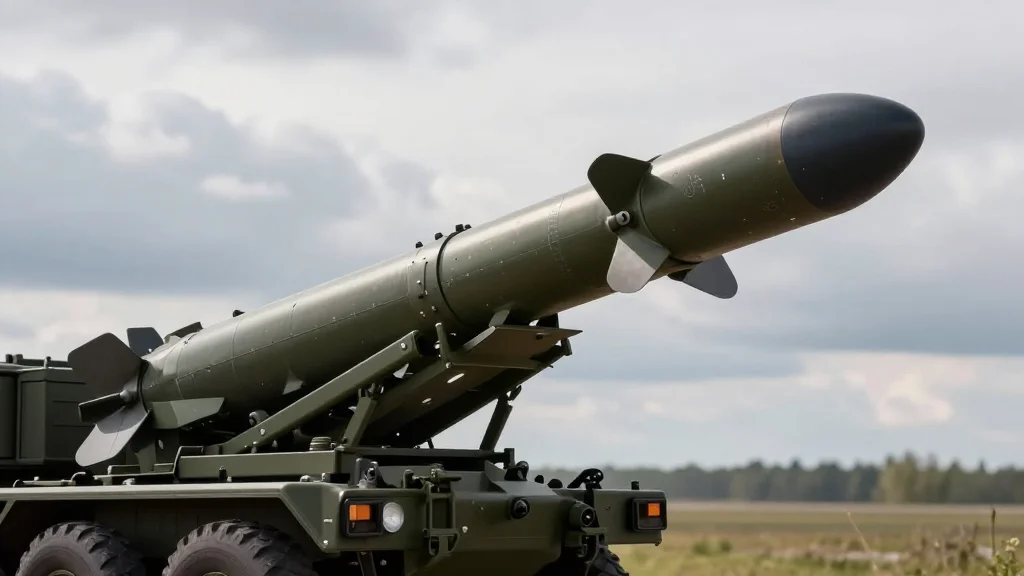
Belarus Holds Surprise Tactical Nuclear Drill with Russian Forces, Raising NATO Alarm

Why It Matters
The drill marks the first overt use of Belarus as a tactical nuclear staging ground since the 2022 invasion of Ukraine, expanding the geographic scope of Russia’s nuclear deterrent and complicating NATO’s forward defence strategy. By normalising the presence of nuclear-capable forces on Belarusian soil, Moscow signals a willingness to blur the line between conventional and nuclear escalation, raising the risk of miscalculation in a region already tense from conventional troop buildups. For European security, the exercise challenges the credibility of existing arms‑control regimes and forces NATO members to reconsider the adequacy of their short‑range missile‑defence systems. It also provides Kyiv with a diplomatic lever to rally further sanctions and military assistance, potentially reshaping the balance of support in the ongoing conflict.
Key Takeaways
- •Belarus and Russia conducted an unannounced tactical nuclear drill on Monday, deploying mock nuclear systems near NATO borders.
- •Ukraine’s foreign ministry called the drill an "unprecedented challenge" and urged tighter Western sanctions on Moscow and Minsk.
- •The exercise integrated Russian tactical air‑defence units with Belarusian command‑and‑control assets, extending Russia’s short‑range nuclear reach.
- •NATO is expected to hold an emergency North Atlantic Council meeting to assess defensive and diplomatic responses.
- •The drill raises concerns about the erosion of arms‑control frameworks, particularly regarding tactical nuclear weapons.
Pulse Analysis
The Belarusian drill reflects a strategic shift in Russia’s nuclear posture: rather than relying solely on strategic deterrence, Moscow is now testing the operational integration of tactical nuclear capabilities with allied forces. This approach lowers the threshold for nuclear use, as tactical weapons are perceived as more ‘usable’ in a conventional conflict. By embedding these assets in Belarus, Russia effectively shortens response times and complicates NATO’s detection and interception calculus.
Historically, tactical nuclear drills were confined to Soviet‑era exercises within Russia’s own borders. The decision to move them onto Belarusian soil signals both a deepening of the Minsk‑Moscow military alliance and a willingness to project nuclear risk outward. This could provoke a reciprocal hardening of NATO’s forward‑deployed forces, potentially sparking a new arms race in short‑range missile technology. The move also tests the limits of the New START treaty, which does not cap tactical systems, exposing a regulatory blind spot that could be exploited in future negotiations.
Looking ahead, the drill may serve as a bargaining chip for Moscow in any future arms‑control talks, leveraging Belarus’s strategic location to extract concessions. For the West, the immediate priority will be to reinforce diplomatic channels, reassure Eastern European allies, and consider augmenting missile‑defence assets to mitigate any rapid‑deployment scenarios. The episode underscores how conventional and nuclear domains are increasingly intertwined in the current security environment, demanding a coordinated response that balances deterrence with crisis stability.
Belarus Holds Surprise Tactical Nuclear Drill with Russian Forces, Raising NATO Alarm
Comments
Want to join the conversation?
Loading comments...