Why It Matters
The declaration signals a coordinated escalation of economic and diplomatic pressure on Belarus, tightening Europe’s security posture and amplifying the isolation of Moscow’s allies.
Key Takeaways
- •NB8 ministers signed declaration increasing trade pressure on Belarus.
- •Declaration reaffirms unwavering support for Ukraine’s NATO and EU aspirations.
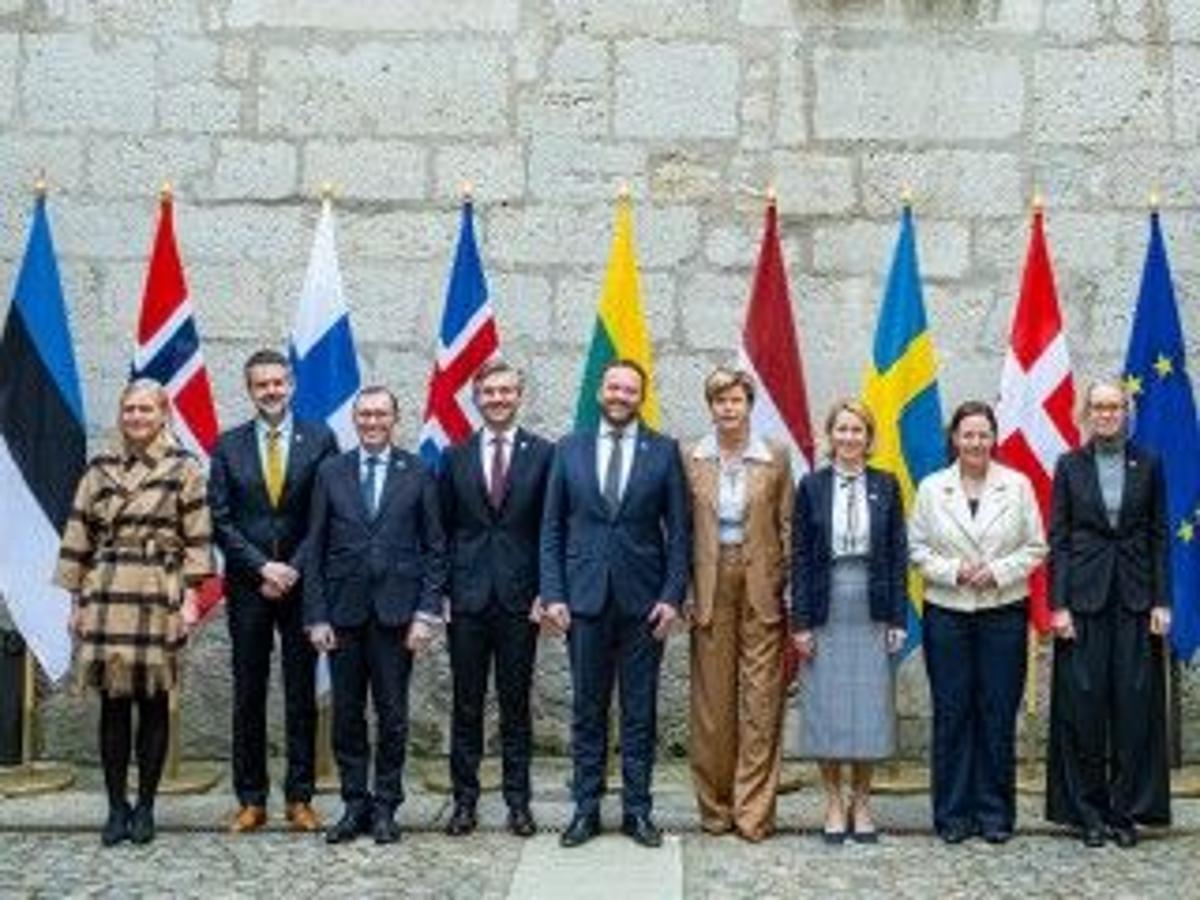
- •EU foreign policy chief Kaja Kallas attended the Saaremaa meeting.
- •Call for EU-wide visa policy to block returning Russian combatants.
- •Sanctions target both Russian and Belarusian economies, heightening isolation.
Pulse Analysis
The Nordic‑Baltic Eight (NB8) has emerged as a strategic forum for aligning the security and foreign‑policy agendas of its member states. Historically focused on regional cooperation, the group now leverages its collective weight to address broader European challenges, notably the growing entanglement of Belarus with Moscow’s geopolitical agenda. By convening on Saaremaa, the ministers demonstrated a willingness to move beyond dialogue and adopt concrete measures that reflect shared democratic values and a common threat perception.
The joint declaration marks a decisive step toward intensifying economic levers against Belarus. By pledging “increased pressure through trade measures and customs policy,” the NB8 countries signal a readiness to coordinate sanctions that could restrict Belarusian exports, tighten customs inspections, and limit access to Western financial systems. Such coordinated action amplifies the impact of individual national measures, potentially curbing Minsk’s ability to fund repressive activities and its role in supporting Russia’s war effort. The presence of EU High Representative Kaja Kallas underscores the alignment between the NB8 initiative and broader EU foreign‑policy objectives, reinforcing a unified front that could accelerate the rollout of new sanction packages.
Security concerns extend beyond economics. The declaration’s call for a pan‑European visa framework addresses the risk of Russian combatants, who have served on the Ukrainian front, re‑entering the Schengen area and posing a latent threat. By advocating for a continent‑wide policy, the NB8 ministers aim to close loopholes that could be exploited for covert infiltration. This proactive stance dovetails with NATO’s emphasis on hybrid threats and reinforces the narrative that a resilient, coordinated European response is essential for maintaining stability in the face of Russian aggression. The outcome of these initiatives will likely shape the next phase of EU‑Russia‑Belarus relations, influencing both diplomatic negotiations and the security calculus of the wider region.
Belarus' relations with the north
Comments
Want to join the conversation?
Loading comments...