Belgium Changes Security Around Russia’s Frozen EU Assets
Why It Matters
The security swap underscores how cost pressures intersect with the high‑stakes geopolitics surrounding frozen Russian funds, which are a lifeline for Ukraine and a strategic irritant for Moscow. Maintaining robust protection for Euroclear is essential to preserve the integrity of EU sanctions and the flow of support to Kyiv.
Key Takeaways
- •Euroclear holds €193 bn ($209 bn) frozen Russian assets
- •Switching security from Amarante to Mentor to cut costs
- •Amarante earned €1 m ($1.08 m) monthly for bodyguard services
- •Windfall profits fund Ukraine; €1.4 bn ($1.51 bn) transferred April
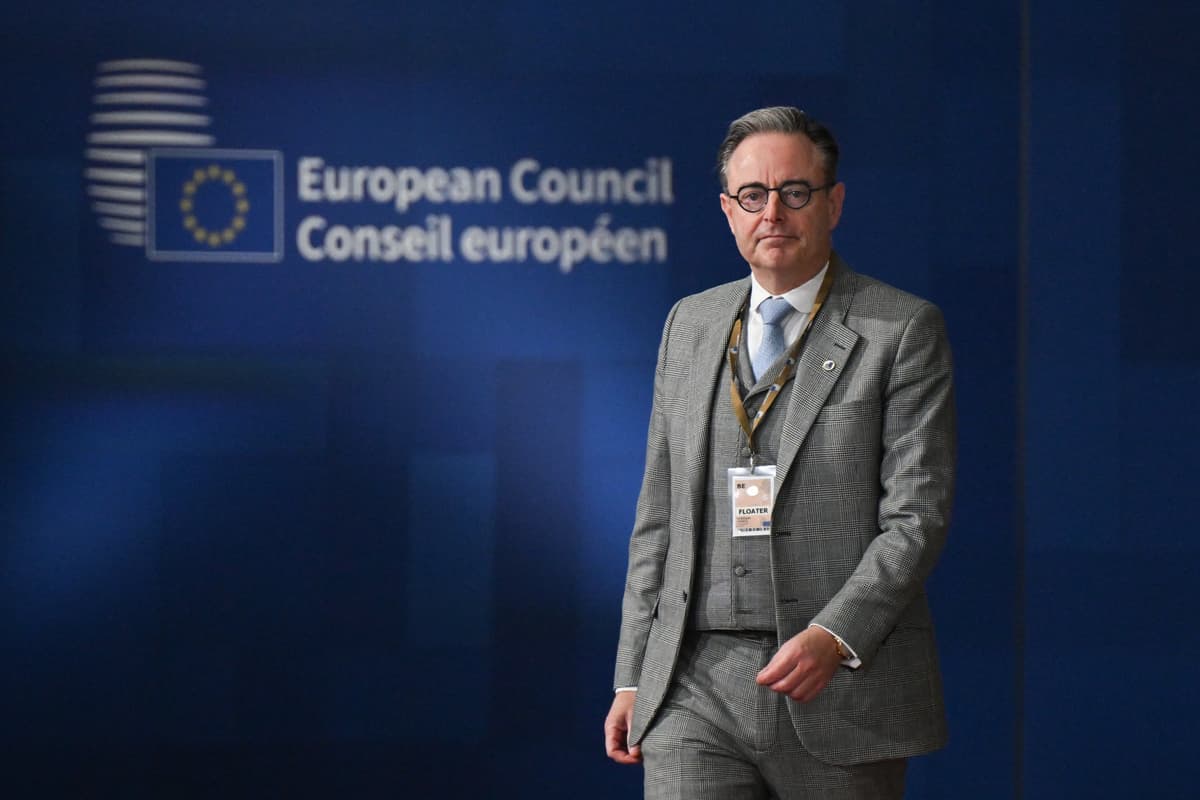
- •Belgian PM’s veto kept assets frozen, heightening security concerns
Pulse Analysis
Euroclear’s stewardship of the €193 bn ($209 bn) frozen Russian central‑bank portfolio places it at the nexus of European sanctions policy and the Ukraine war effort. The assets generate substantial windfall earnings, which the EU channels to Kyiv for military procurement, as demonstrated by the recent €1.4 bn ($1.51 bn) transfer. Because these funds directly undermine Russia’s strategic calculus, the clearing house has become a high‑profile target, prompting heightened security measures and intense political scrutiny, especially after Belgium’s prime minister blocked any proposal to release the assets.
The decision to replace France’s Amarante with Belgium’s Mentor Worldwide Security reflects a pragmatic cost‑benefit analysis rather than a shift in threat perception. Amarante, the world’s tenth‑largest private‑security provider with a €700 m ($756 m) turnover, was charging €1 m ($1.08 m) per month for bodyguard services. Mentor, a smaller boutique firm, reportedly offered more favorable terms, prompting Euroclear to negotiate “discount after discount.” This transition illustrates how even high‑value, geopolitically sensitive contracts are subject to market pressures, and it may signal a broader trend of European firms favoring local providers to reduce exposure to cross‑border regulatory and legal complexities.
Beyond the immediate financial calculus, the security change has implications for the durability of EU sanctions and the flow of support to Ukraine. A well‑protected Euroclear ensures that windfall profits continue to be harvested and redirected, preserving a critical revenue stream for Kyiv’s defence. Any disruption—whether from a security breach or political reversal—could jeopardize billions of dollars earmarked for arms purchases. Consequently, the episode reinforces the importance of robust, cost‑effective security infrastructure as a silent but vital component of the broader sanctions architecture, influencing both market confidence and geopolitical stability.
Belgium changes security around Russia’s frozen EU assets
Comments
Want to join the conversation?
Loading comments...