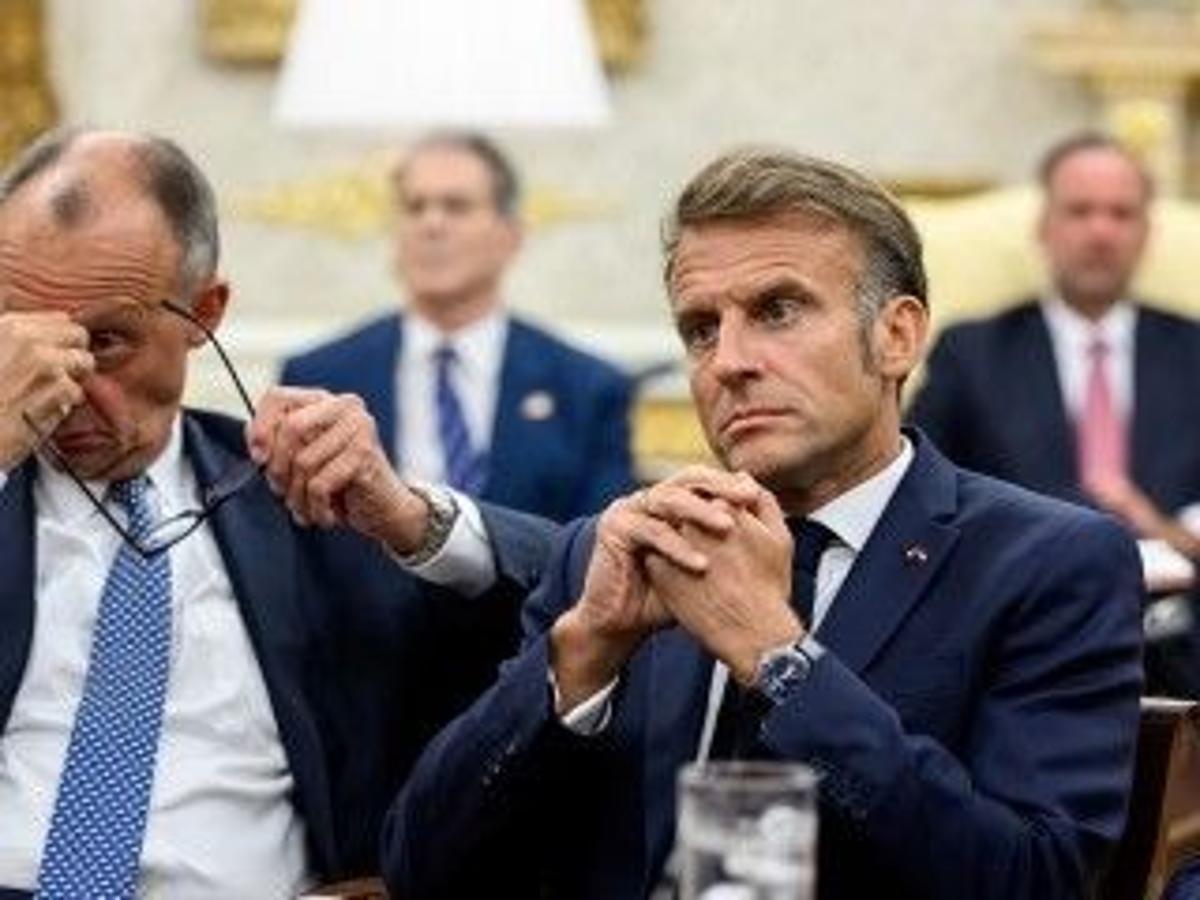
Berlin Ready to Choose GCAP over Franco-German Project SCAF?
Companies Mentioned

Why It Matters
Germany’s potential pivot to GCAP could reshape Europe’s combat‑air industrial landscape and influence the allocation of billions in defence spending.
Key Takeaways
- •Germany considers GCAP, potentially leaving SCAF
- •Franco‑German tensions stem from industrial competition
- •GCAP seeks funding relief via new partners
- •France's defence budget to hit €64bn by 2027
- •SCAF second phase costs €50bn, negotiations stalled
Pulse Analysis
The debate over Germany’s participation in the Global Combat Air Programme reflects deeper strategic calculations within Europe’s defence sector. While the SCAF initiative was born from a 2017 Franco‑German agreement to field a next‑generation fighter, divergent industrial priorities and cost pressures have eroded its cohesion. Germany’s interest in GCAP, which integrates manned aircraft, drones and satellite systems, offers a pathway to share development expenses and tap into a broader technology pool that includes the United Kingdom and Japan. This alignment could also mitigate the financial strain of the SCAF’s €50 billion second phase slated for 2026.
France’s response underscores a parallel narrative of national ambition and fiscal commitment. With a defence budget projected to reach €64 billion by 2027, Paris is prepared to advance its combat‑air capabilities independently if multilateral talks falter. Dassault Aviation’s leadership in the project emphasizes sovereign control over critical expertise, positioning France as a potential sole supplier for a European‑wide platform. However, the French government continues to champion a unified European defence industry, suggesting that a unilateral path remains a strategic fallback rather than a definitive exit.
The outcome of these negotiations will have ripple effects across the continent’s aerospace supply chain and broader geopolitical posture. A German shift to GCAP could accelerate the program’s timeline, attract additional partners, and reshape export prospects for European combat aircraft. Conversely, a stalled SCAF may force France to seek alternative funding or re‑configure its development roadmap, potentially inviting non‑EU actors into the market. Stakeholders—from defense ministries to industrial conglomerates—must monitor these dynamics closely, as they will dictate the future of Europe’s strategic autonomy and its ability to compete with U.S. and Russian air power advancements.
Berlin ready to choose GCAP over Franco-German project SCAF?


Comments
Want to join the conversation?
Loading comments...