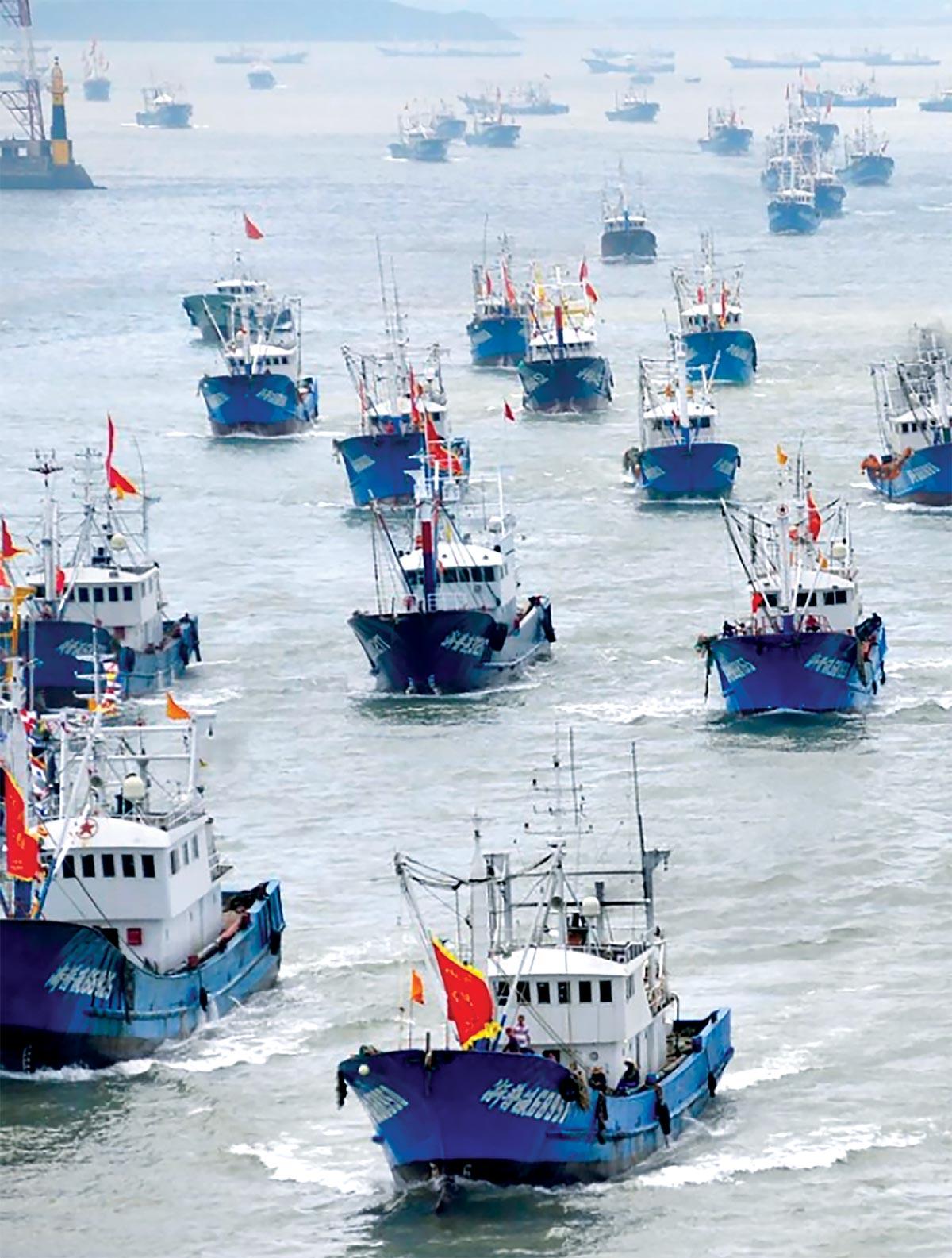
Beyond Swarming: Documenting Harassment, Assault, and ICAD by Chinese Maritime Militia
•February 16, 2026
0
Why It Matters
The data quantifies China’s covert coercion, signaling heightened risk for regional fisheries, trade routes and U.S. strategic interests in the South China Sea.
Key Takeaways
- •270 militia incidents recorded from 2012‑2025
- •48% involved joint operations with Chinese Coast Guard
- •Incidents peak May‑July, aligning with fishing ban
- •Second Thomas Shoal accounts for 29 documented cases
- •US and allies face increasing militia harassment
Pulse Analysis
China’s maritime militia has become a cornerstone of its gray‑zone strategy in the South China Sea, a region that supplies roughly 10% of the world’s seafood and sits atop billions of barrels of oil and gas. By embedding civilian‑run fishing vessels within the People’s Armed Forces Maritime Militia (PAFMM), Beijing can project power, enforce its nine‑dash line claims, and disrupt rival activities without overt military deployment. This hybrid approach blends economic coercion, legal ambiguity, and low‑intensity force, allowing China to expand its influence while keeping escalation thresholds low.
The recent academic effort aggregates open‑source reports to reveal 270 documented incidents of harassment, assault or illegal, coercive, aggressive, and deceptive (ICAD) behavior from 2012 through 2025. Nearly half of these events were coordinated with the Chinese Coast Guard, underscoring a deliberate civil‑military partnership. A pronounced seasonal pattern shows 34% of incidents occurring between May and July, coinciding with China’s fishing ban—a window the militia exploits to reinforce territorial claims under the guise of resource protection. Hotspots such as Second Thomas Shoal, Scarborough Shoal and the Paracel Islands account for the bulk of confrontations, highlighting the militia’s role in sustaining continuous pressure on neighboring claimants.
For policymakers, the study signals an urgent need for enhanced maritime domain awareness and multilateral reporting mechanisms. The United States and its allies must integrate militia activity into broader Indo‑Pacific security frameworks, coupling diplomatic pressure with capacity‑building for regional coast guards. Transparent incident databases, real‑time tracking, and joint exercises can deter escalation and reinforce the rule‑of‑law at sea. As China refines its gray‑zone toolbox, sustained vigilance and coordinated response will be essential to preserve freedom of navigation and regional stability.
Beyond Swarming: Documenting Harassment, Assault, and ICAD by Chinese Maritime Militia
0
Comments
Want to join the conversation?
Loading comments...