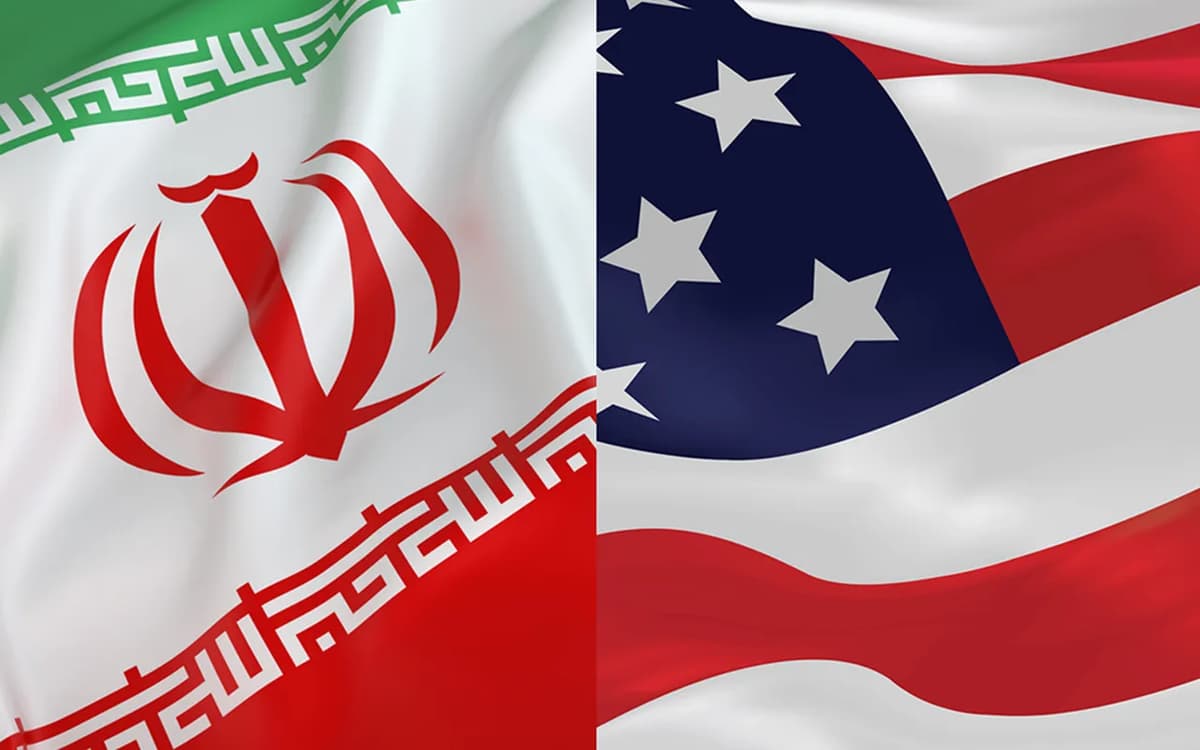
Beyond the Proxy: Reassessing the Terrorism Threat to the U.S. Homeland in the War with Iran
Why It Matters
Understanding the multi‑vector threat is essential for allocating resources to the most probable attacks and preventing the economic‑driven radicalization that could fuel future terrorism against the U.S. homeland.
Key Takeaways
- •Iranian proxies, surrogates, and criminal networks pose highest homeland threat
- •Economic fallout from oil disruptions fuels radicalization worldwide
- •U.S. counterterrorism has repeatedly failed to translate tactical wins into strategic stability
- •Seventeen Iran-linked plots disrupted in U.S., but attribution remains limited
Pulse Analysis
The conflict between the United States, Israel, and Iran has reshaped the terrorism threat landscape far beyond the traditional focus on sleeper cells or high‑profile attacks. Iran’s doctrine of plausible deniability, built over four decades through a web of proxies such as Hezbollah, the Houthis, and criminal intermediaries, enables it to exert pressure on U.S. interests while avoiding direct attribution. This architecture not only complicates intelligence detection but also lowers the threshold for low‑cost, high‑impact operations—ranging from cyber intrusions to small‑cell bombings—making the threat both diffuse and persistent.
Economic repercussions from the war amplify the security challenge. Disruptions in the Strait of Hormuz have curtailed roughly 20% of global oil and LNG shipments, driving up fuel and food prices worldwide. Historical research links such macro‑economic grievances to heightened susceptibility to extremist narratives, especially when civilian casualties—like the tragic school strike that killed over 165 children—fuel anti‑U.S. sentiment. These factors together create a fertile recruitment environment for transnational jihadist groups such as al‑Qaeda and ISIS, which can opportunistically exploit the chaos to launch attacks against Western targets.
Policy implications are stark. Over the past quarter‑century, U.S. counterterrorism has excelled at eliminating individual operatives but has struggled to address the underlying conditions that spawn new threats. The article underscores the need for a nuanced, multi‑layered response that separates direct state actions from proxy and criminal pathways, reallocates resources toward the most probable vectors, and integrates economic‑stability measures into the broader security strategy. Failing to adapt could repeat the strategic failures observed in Iraq and Afghanistan, where tactical victories sowed the seeds for future insurgencies.
Beyond the Proxy: Reassessing the Terrorism Threat to the U.S. Homeland in the War with Iran
Comments
Want to join the conversation?
Loading comments...