Bing, Bing, Gone: Is Trump Underestimating Iran’s Fast Attack Craft?
Why It Matters
Swarm tactics by Iran’s IRGC Navy continue to jeopardize one of the world’s most vital maritime chokepoints, affecting global trade and energy prices despite political claims of defeat.
Key Takeaways
- •IRGC Navy fields hundreds of low‑cost fast attack boats.
- •Swarm tactics can force U.S. warships into costly maneuvers.
- •Disruption raises insurance premiums and reroutes global trade.
- •Shipboard lasers engage one target at a time, vulnerable to saturation.
- •Congressional reports warn lasers face environmental limits in the Gulf.
Pulse Analysis
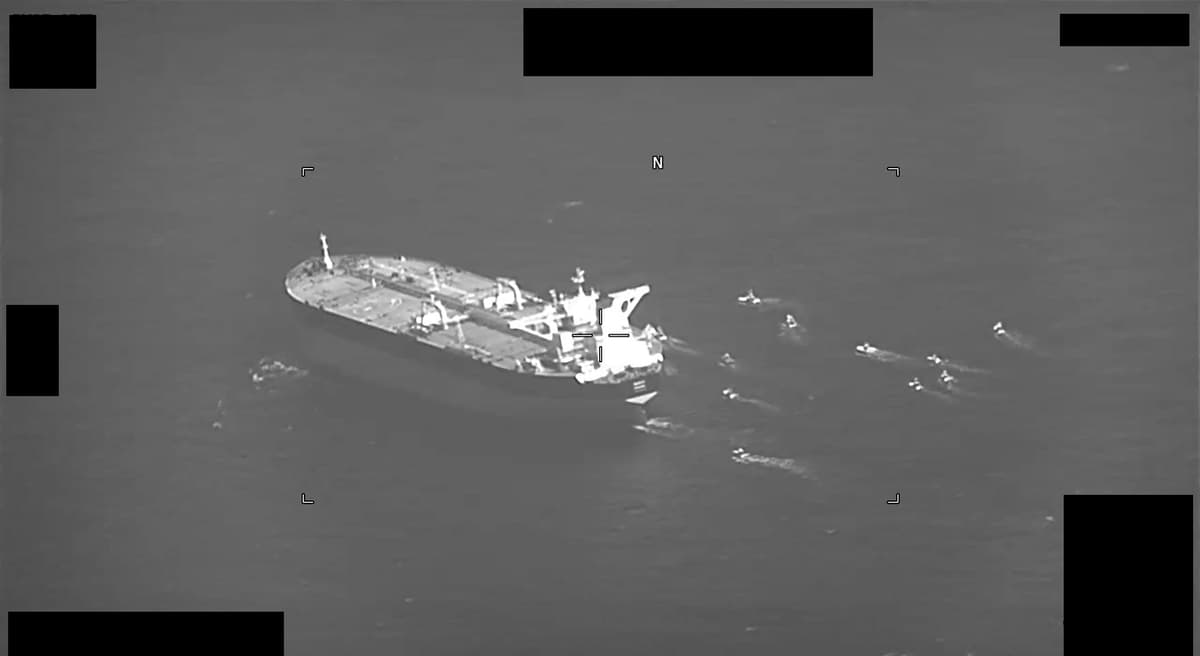
President Trump's recent Truth Social post featuring a laser‑filled meme suggested that Iran's fast attack craft have been neutralized. While the image garnered clicks, defense analysts and the Defense Intelligence Agency continue to flag the IRGC Navy's swarm capability as a persistent asymmetric threat in the Strait of Hormuz. The disconnect between political bravado and the Pentagon's own assessments risks under‑investing in counter‑measures and misinforming commercial stakeholders who rely on accurate risk forecasts. The Hormuz corridor handles roughly 20% of global oil shipments, so any perceived vulnerability can ripple through energy markets.
Iran's Islamic Revolutionary Guard Corps Navy fields hundreds of inexpensive fast inshore attack craft designed to exploit the Gulf's shallow waters. By massing these boats alongside coastal missiles, mines and unmanned drones, Tehran can force larger vessels into evasive maneuvers, delay transits, and inflate war‑risk insurance premiums. Shipping data shows traffic through Hormuz remains well below pre‑conflict levels, confirming that the mere threat of swarm attacks can disrupt global supply chains without a single ship being sunk. Insurers have lifted war‑risk coverage fees by up to 30%, reflecting heightened perceived danger. S.
Navy has invested in ship‑mounted laser systems such as HELIOS to counter drones and small boats, but congressional and fleet‑level reports note significant operational limits. Lasers typically engage a single target, struggle with atmospheric turbulence, salt particles and thermal blooming, and can be overwhelmed by a coordinated swarm. Future budgeting will likely prioritize unmanned surface vessels and electronic warfare suites to complement lasers. As a result, the Pentagon still classifies directed‑energy weapons as emerging technology rather than a decisive counter to Iran's asymmetric tactics, underscoring the need for layered defenses and realistic threat communication.
Bing, Bing, Gone: Is Trump Underestimating Iran’s Fast Attack Craft?
Comments
Want to join the conversation?
Loading comments...